All products are independently selected by our editors. If you buy something via the links on our site, we may earn an affiliate commission at no extra cost to you. Learn More >
As a dog owner, it’s always concerning when you notice something unusual with your furry friend’s eyes. One common issue that can affect our canine companions is the dreaded stye.
You may have experienced a stye yourself, but can dogs really get them too?
The short answer is yes, and in this blog post, we’ll cover everything you need to know about styes in dogs.
Whether you’re a new dog parent or a seasoned pet owner, understanding styes and their causes, symptoms, and treatment options is crucial.
We’ll explore what styes are, why they occur, and how to identify them.
Plus, we’ll share valuable tips on when to seek veterinary care and how to help prevent these pesky bumps from forming in the first place.
What is a Stye?
A stye, also known as a hordeolum, is a common eye condition that can affect both humans and dogs.
It’s essentially a small, painful lump that forms on the eyelid or around the eye area. Now, you might be wondering, “What exactly causes these pesky bumps?”
Definition and Explanation
Well, a stye is the result of an infected oil gland (called the meibomian gland) or hair follicle. These glands and follicles are located along the edge of the eyelid, and when they become blocked or inflamed, it can lead to the formation of a stye.
Appearance and Symptoms
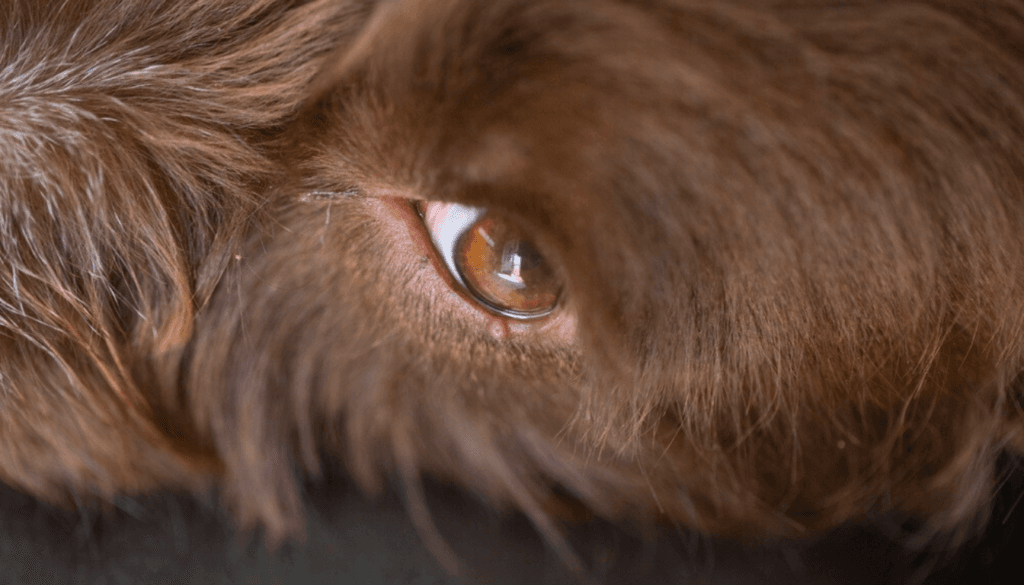
So, what does a stye look like?
Typically, it appears as a red, swollen bump on the eyelid, often resembling a pimple. It can be quite uncomfortable, causing itching, irritation, and a feeling like something is stuck in your dog’s eye.
Imagine having a tiny, throbbing pimple on your eyelid – it’s not exactly a pleasant experience, is it? For our furry friends, a stye can be equally irritating and bothersome.
While styes may seem like a minor issue, it’s important to understand their causes and symptoms. Knowledge is power, and by being informed, you can better recognize when your dog may be dealing with a stye and take appropriate action.
So, Can Dogs Get Styes? Yes
Just like us humans, our furry companions can indeed suffer from the annoying and uncomfortable condition known as a stye.
You might be surprised to learn that dog eye styes are actually quite common and can affect pups of any age, breed, or size.
Imagine your beloved pooch waking up one morning with a swollen, red bump on their eyelid. It’s not a pretty sight, and it can be concerning for any pet parent.
But fear not, because we’re here to shed some light on this pesky problem.
While styes may seem like a minor issue, they can cause significant discomfort for our canine friends. After all, who wouldn’t be bothered by a throbbing, itchy lump on their eyelid?
It’s like having a persistent pimple that just won’t go away.
But don’t worry, we’ve got your back. In the following sections, we’ll dive deeper into the causes, symptoms, and treatment options for dog eye styes.
We’ll also share valuable tips on when it’s time to seek professional help and how to prevent these pesky bumps from forming in the first place.
So, whether you’re a seasoned dog owner or a new puppy parent, buckle up and get ready to learn everything you need to know about styes in dogs.
Who knows, you might even pick up a tip or two that could come in handy for your own eye health!
The Common Causes of Dog Eye Styes
Styes in dogs can be caused by various factors, ranging from bacterial infections to underlying health conditions.
Understanding the common culprits can help you better identify and address these pesky bumps when they appear.
How Do Dogs Get a Stye: Common Causes
One of the primary causes of styes is a bacterial infection in the oil glands or hair follicles around the eye area. These infections can occur due to several reasons, such as:
- Injury or trauma to the eye: Even a minor scratch or poke can create an entry point for bacteria, leading to an infection and potentially a stye.
- Tear duct blockage or abnormalities: If your dog’s tear ducts are blocked or not functioning properly, it can lead to a buildup of debris and bacteria, increasing the risk of styes.
- Underlying health conditions: Certain health issues like allergies, autoimmune disorders, or blepharitis (inflammation of the eyelids) can make your pup more susceptible to developing styes.
Risk Factors
While any dog can develop a stye, some factors may increase their risk. For instance, dogs with long hair around their eyes are more prone to styes, as the hair can trap dirt, debris, and bacteria.
Poor grooming habits, such as not regularly trimming the hair around the eyes, can also contribute to this problem.
Additionally, dogs with weakened immune systems due to illness, age, or other factors may have a harder time fighting off bacterial infections, making them more susceptible to styes.
Imagine your furry friend with those big, soulful eyes and a tiny, irritated bump on their eyelid. It’s not a pleasant sight, and it can be concerning for any pet parent.
But don’t worry, we’ve got you covered.
In the following sections, we’ll explore the telltale signs of styes in dogs and what you can do to help alleviate their discomfort.
Signs and Symptoms of Styes in Dogs
As a loving pet parent, it’s crucial to recognize the telltale signs of a stye in your furry friend. After all, these pesky bumps can cause significant discomfort and even pain if left untreated.
So, let’s dive in and learn about the common symptoms to watch out for.
One of the most obvious indicators of a stye is a swollen, red bump on your dog’s eyelid, either on the upper or lower lid. It might resemble a pimple or a small, localized puffiness.
If you notice your pup squinting or excessively blinking that eye, it could be a sign that the stye is causing irritation or discomfort.
Another telltale symptom is eye discharge or crusting around the affected area. Your dog’s eye may appear watery, or you might notice a sticky, gooey substance accumulating in the corner or on the lids.
This discharge is often a result of the body’s attempt to flush out the infection or irritation caused by the stye.
Additionally, you may observe your furry companion pawing or rubbing at the affected eye more frequently than usual. This behavior is a clear indication that something is bothering them, and it’s their way of trying to alleviate the discomfort.
Imagine your beloved pooch with one eye half-closed, constantly pawing at it, and you can practically see the frustration and discomfort on their adorable face.
It’s heartbreaking, isn’t it?
Remember, it’s always better to catch these symptoms early on, as styes can sometimes lead to more severe complications if left untreated.
So, keep a watchful eye on your pup’s peepers, and don’t hesitate to seek professional advice if you notice any concerning signs or symptoms.
When to See a Vet for a Dog Eye Stye
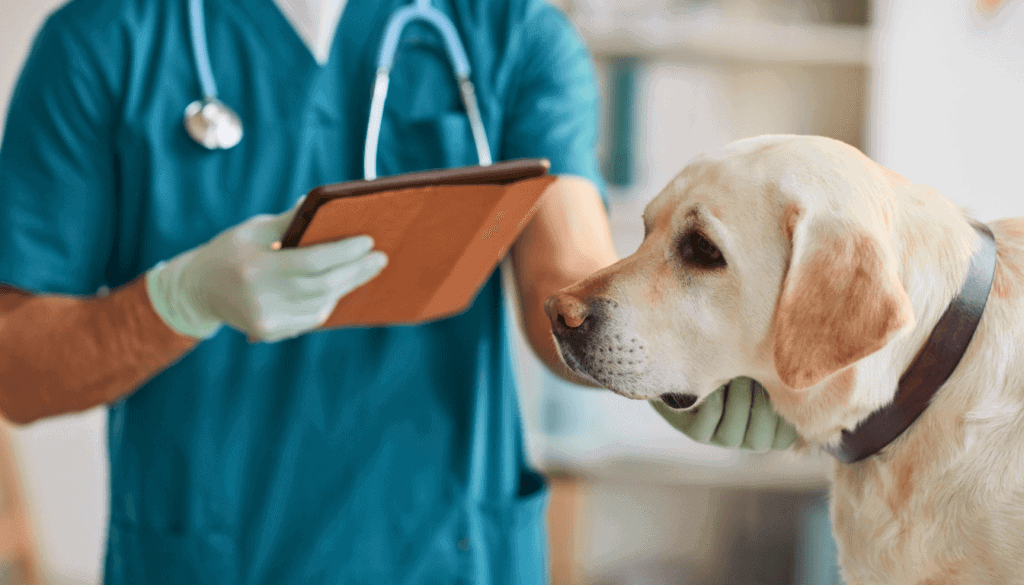
While styes are generally harmless and often resolve on their own, there are certain scenarios where it’s crucial to seek professional help from your trusted veterinarian for diagnosis and treatment.
After all, your furry friend’s comfort and well-being should always be the top priority.
If you notice that the stye is particularly large, painful, or doesn’t seem to be going away after a few days, it’s time to schedule an appointment with your vet.
These persistent or severe cases may require medical intervention to prevent further complications or discomfort for your pup.
Another red flag to watch out for is if your dog is displaying signs of distress or discomfort beyond the usual squinting or pawing at the affected eye.
If they seem unusually lethargic, have a decreased appetite, or exhibit other concerning behaviors, it’s best to err on the side of caution and have them examined by a professional.
In some rare instances, a stye can be accompanied by additional symptoms like fever, lethargy, or excessive swelling.
If this is the case, it could be an indication of a more serious underlying condition, such as an infection or even a malignancy.
Don’t take any chances – consult your vet immediately to rule out any potential health risks.
Remember, while styes are generally benign, they can sometimes be a symptom of a more serious issue.
By staying vigilant and seeking professional advice when necessary, you’re not only ensuring your pup’s comfort but also their overall well-being.
Treatment Options for Dog Eye Styes
When it comes to treating those pesky styes on your furry friend’s eyes, you have a couple of options – home remedies or seeking veterinary treatment.
Let’s explore both avenues so you can make the best decision for your pup’s comfort and well-being.
Home Remedies
If the stye is relatively small and doesn’t seem to be causing your dog too much distress, you might want to try some simple home remedies first.
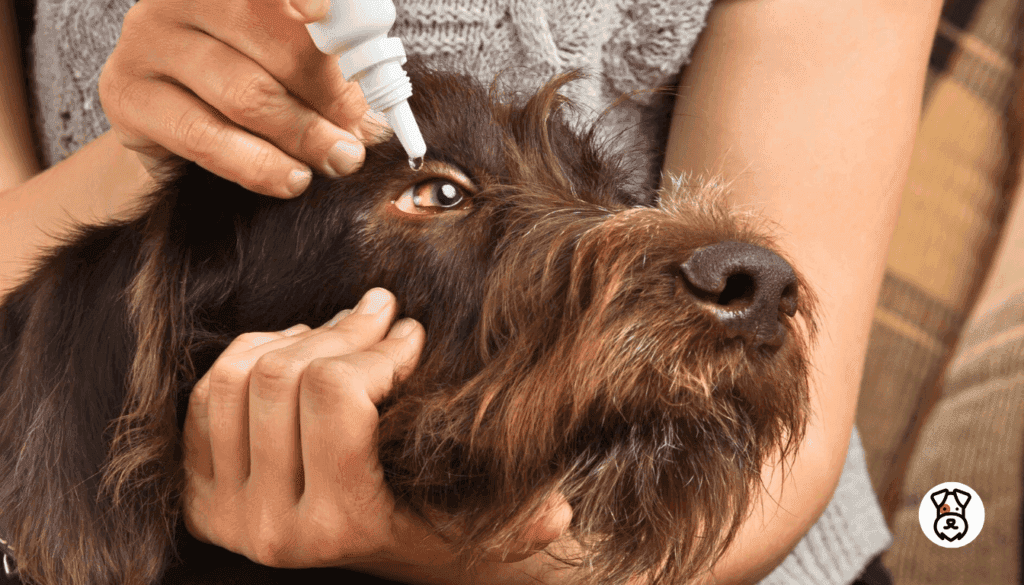
One of the most effective methods is using warm compresses.
Gently apply a clean, warm (not hot) compress to the affected area for a few minutes, several times a day. This can help promote drainage and alleviate discomfort.
Another helpful tip is to gently clean the area around the stye with a saline solution.
This can help remove any crusty discharge or debris that may be irritating your pup’s eye. Just be sure to use a clean cotton ball or pad and avoid rubbing too vigorously.
Keeping the area clean and dry is also crucial.
You might want to trim any long hair around your dog’s eyes to prevent further irritation or trapping of debris.
Veterinary Treatment
However, if the stye persists, becomes increasingly painful, or is accompanied by other concerning symptoms, it’s time to seek professional help from your trusted veterinarian.
In cases of an infected stye, your vet may prescribe topical or oral antibiotics to help clear up the bacterial infection and promote healing.
For particularly stubborn or severe styes, surgical drainage or removal may be necessary to provide relief and prevent further complications.
Additionally, if your vet suspects an underlying condition like blepharitis (eyelid inflammation) or blocked tear ducts, they may recommend additional treatments to address the root cause of the problem.
Imagine your beloved pup, usually so playful and energetic, suddenly becoming lethargic and uncomfortable due to a persistent, painful stye.
It’s a scenario no pet parent wants to experience. But with the right treatment plan – whether it’s home remedies or professional veterinary care – you can help your furry friend feel like their happy, healthy self again.
Remember, while styes may seem like a minor inconvenience, they can sometimes be a sign of a more serious issue.
By being proactive and seeking appropriate treatment, you’re not only addressing the immediate discomfort but also ensuring your pup’s long-term eye health and overall well-being.
Preventing Styes in Dogs
As the old saying goes, an ounce of prevention is worth a pound of cure. And when it comes to those pesky styes on your furry friend’s eyes, a little proactive care can go a long way in keeping them at bay.
After all, no one wants to see their beloved pup in discomfort or distress.
One of the most effective ways to prevent styes is through regular grooming and gentle cleaning of the eye area.
Make it a habit to gently wipe away any crusty discharge or debris from around your pup’s eyes using a soft, damp cloth or cotton ball. This simple step can help remove any potential irritants that could lead to stye formation.
Another key factor in stye prevention is ensuring your dog is receiving proper nutrition and a balanced diet.
Just like humans, our four-legged companions need a steady supply of essential vitamins and minerals to maintain overall health, including eye health.
A diet rich in omega-3 fatty acids, for example, can help reduce inflammation and support healthy skin and coat.


Speaking of overall health, promptly treating any underlying issues your pup may have is crucial.
Chronic conditions like allergies, skin problems, or even dental issues can sometimes contribute to the development of styes.
By addressing these root causes, you’re not only tackling the stye problem but also improving your furry friend’s overall well-being.
Lastly, it’s important to use only dog-safe shampoos, eye products, and grooming tools when caring for your pup.
Human products can sometimes contain harsh chemicals or fragrances that can irritate their sensitive eyes and skin, potentially leading to styes or other issues.
Wrapping Up
Styes in dogs may seem like a minor annoyance, but they can quickly become a source of discomfort for our furry companions if left untreated.
Remember, while home remedies like warm compresses and gentle cleaning can be helpful, don’t hesitate to seek professional veterinary care if the stye persists, worsens, or is accompanied by other concerning symptoms.
Prevention is key when it comes to these pesky bumps.
Regular grooming, a balanced diet, addressing underlying health issues, and using only dog-safe products can go a long way in keeping styes at bay.
By staying proactive and attentive to your pup’s needs, you’re not only promoting their eye health but also their overall well-being.
So, keep those big, bright eyes free from discomfort and those tails wagging with joy by being a responsible pet parent and following the tips we’ve covered.
Your furry friend will undoubtedly thank you with countless moments of unconditional love and companionship.