
All products are independently selected by our editors. If you buy something via the links on our site, we may earn an affiliate commission at no extra cost to you. Learn More >
Dogs bring joy, companionship, and sometimes unexpected surprises to our lives. One such surprise is their tendency to pass gas.
While all dogs can be gassy at times, some breeds are more prone to flatulence than others.
Knowing which dog breeds are more likely to fart a lot can help pet owners prepare for this smelly aspect of dog ownership.
This information can be useful for those considering getting a new dog or for current owners trying to understand their pet’s digestive habits better.
Let’s look at eight dog breeds known for their frequent flatulence.
1. French Bulldog

French Bulldogs are known for their gassy nature. These small, muscular dogs have digestive systems that can be sensitive to certain foods.
Their flat faces and short snouts can lead to increased air intake while eating, contributing to flatulence.
French Bulldogs often experience food allergies or intolerances. These issues can cause digestive upset and more gas production.
Their compact body shape also plays a role in their tendency to pass wind frequently.
Diet greatly impacts a French Bulldog’s gas levels. Foods high in fiber or those that are difficult to digest may increase flatulence. Feeding them a balanced, easily digestible diet can help reduce excessive gas.
Exercise is important for French Bulldogs to maintain good digestion. Regular walks and playtime can help move food through their system more efficiently, potentially decreasing gas buildup.
While French Bulldogs are prone to flatulence, each dog is unique. Some may be gassier than others due to individual factors like diet, activity level, and overall health.
2. Pug

Pugs are known for their adorable wrinkled faces and playful personalities. These small dogs have a reputation for being gassy.
Their flat faces and short snouts can make breathing difficult, leading to increased air swallowing.
When pugs eat or drink, they often gulp down air along with their food and water. This extra air becomes trapped in their digestive system.
As a result, pugs tend to produce more gas than other breeds.
Pugs also have sensitive stomachs. Certain foods can upset their digestion and cause excess flatulence. Owners should be careful about their pug’s diet to help reduce gas production.
Regular exercise is important for pugs to maintain good digestion. A sedentary lifestyle can contribute to more frequent farting. Taking pugs for daily walks can help keep their digestive systems moving smoothly.
Despite their gassy nature, pugs remain popular pets. Their charming personalities and affectionate nature often outweigh their tendency to pass gas.
Many pug owners simply accept this quirk as part of the breed’s charm.
3. English Bulldog

English Bulldogs are known for their charming wrinkled faces and stocky builds. These adorable dogs also have a reputation for being quite gassy.
Their flat faces and brachycephalic skulls can lead to breathing difficulties and excessive air swallowing.
When English Bulldogs eat, they often gulp down air along with their food. This trapped air has to come out somewhere, usually resulting in frequent flatulence.
Their short, compact digestive systems can also contribute to increased gas production.
Diet plays a big role in an English Bulldog’s gas issues. Foods high in fiber or those that are difficult to digest can worsen the problem.
Owners should be mindful of their Bulldog’s diet and avoid ingredients that may trigger excessive gas.
Regular exercise can help English Bulldogs maintain a healthy weight and improve digestion.
This can potentially reduce gas production. However, it’s important not to overexert these dogs, as their breathing difficulties can make intense exercise challenging.
4. Beagle

Beagles are known for their adorable faces and friendly personalities. They’re also famous for their tendency to pass gas frequently.
This breed’s love of food often leads to overeating, which can cause digestive issues.
Beagles have sensitive stomachs that can react to certain foods. Their diet plays a big role in how much they fart.
Feeding them high-quality food and avoiding table scraps can help reduce gas.
Exercise is important for Beagles to maintain good digestion. Regular walks and playtime can help keep their digestive system moving smoothly. This can lead to less gas buildup.
Beagles are scent hounds with an excellent sense of smell. Ironically, they don’t seem bothered by their own odors.
Their owners, on the other hand, might find the frequent flatulence less than pleasant.
Despite their gassy nature, Beagles remain a popular family pet. Their loyal and loving personalities often outweigh their smelly habit.
With proper diet and exercise, owners can help minimize their Beagle’s gas issues.
5. Boxer
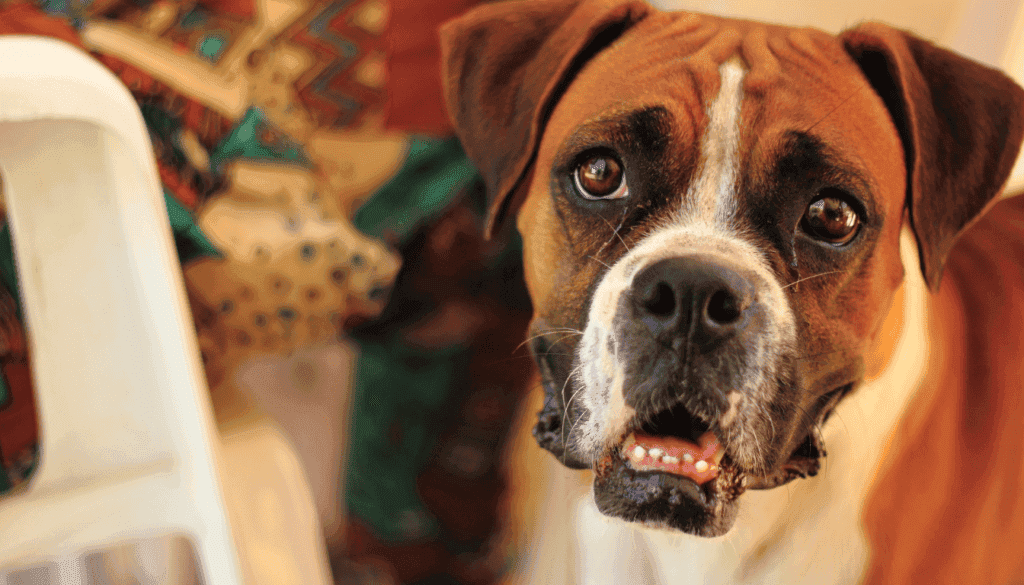
Boxers are a popular breed known for their playful personalities and muscular bodies. These energetic dogs also have a reputation for producing excessive gas.
Their flat faces and brachycephalic features can lead to increased air intake while eating or drinking.
Boxers tend to eat quickly, which can cause them to swallow more air. This habit contributes to their gassy nature. Their diet also plays a role in their flatulence.
Some Boxers may have sensitive stomachs or food allergies that can worsen gas issues.
Exercise can help reduce gas in Boxers. Regular physical activity aids digestion and promotes healthy bowel movements. Owners should ensure their Boxer gets plenty of exercise to minimize flatulence.
Feeding smaller, more frequent meals can help reduce gas in Boxers. This approach prevents them from eating too quickly and swallowing excess air.
Choosing high-quality, easily digestible food can also make a difference in their gas production.
6. Boston Terrier
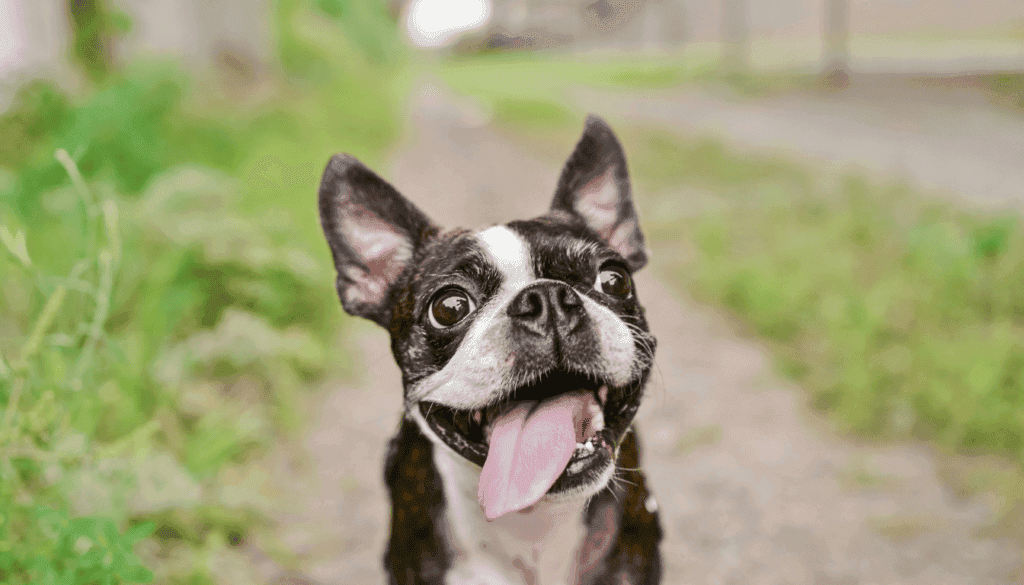
Boston Terriers are known for their charming personalities and distinctive tuxedo-like coats. These small, compact dogs have a tendency to produce more gas than some other breeds.
Their flat faces and short snouts can lead to increased air swallowing during meals. This extra air often results in flatulence.
Boston Terriers also have sensitive digestive systems that can be easily upset by certain foods.
Diet plays a big role in a Boston Terrier’s gas production. Foods high in fiber or those that are difficult to digest may cause more frequent farting.
Owners should be mindful of their pet’s food choices to help reduce excessive gas.
Exercise can help Boston Terriers manage their gas issues. Regular walks and playtime can aid digestion and reduce the likelihood of flatulence.
Feeding smaller, more frequent meals may also help minimize gas build-up in their stomachs.
While Boston Terriers may be prone to flatulence, proper care and attention to diet can help keep their gas under control.
With some adjustments, owners can enjoy the company of these lovable dogs without too much olfactory distress.
7. Golden Retriever

Golden Retrievers are beloved family dogs known for their friendly nature and intelligence. These popular pups also have a reputation for producing more gas than some other breeds.
The Golden Retriever’s tendency to fart can be traced to their eating habits. They often eat quickly and may swallow air in the process, leading to flatulence.
Their love of food can also cause them to overeat or consume things they shouldn’t, further contributing to digestive issues.
Golden Retrievers have sensitive stomachs that can react to certain ingredients in their diet. Foods like dairy, grains, or artificial additives may trigger excess gas production in these dogs.
Exercise plays a role in a Golden Retriever’s digestive health. Regular physical activity helps keep their digestive system moving and can reduce gas buildup.
Lack of exercise may lead to more frequent farting episodes.
Owners can help manage their Golden Retriever’s gas by feeding them high-quality food, controlling portion sizes, and ensuring they get plenty of exercise.
Slow-feed bowls can also help reduce air intake during meals, potentially decreasing flatulence.
8. Staffordshire Bull Terrier

Staffordshire Bull Terriers, often called Staffies, are known for their muscular build and friendly nature. These dogs have a tendency to produce more gas than some other breeds.
Their diet plays a big role in their flatulence. Staffies can be sensitive to certain foods, which may lead to increased gas production. Owners should be careful about what they feed their Staffie.
Exercise is important for these active dogs. Regular physical activity helps keep their digestive system moving smoothly. This can reduce the amount of gas that builds up in their belly.
Staffies have short, flat faces. This facial structure can cause them to swallow more air while eating or drinking. The extra air in their stomach often leads to more frequent farting.
Some Staffies may have food allergies or sensitivities. These issues can cause digestive problems and increased gas. It’s important to work with a vet to find the right diet for a gassy Staffie.
What Factors Affect Dog Flatulence?
Dog farts can be caused by many things. Diet plays a big role. Foods that are hard to digest can lead to more gas. Low-quality dog food or table scraps may cause issues.
Eating habits matter too. Dogs that eat too fast often swallow air. This can make them gassy. Some breeds with flat faces may gulp more air while eating.
Health problems can increase farting. Gut issues, food allergies, and certain diseases may be to blame. Parasites or bowel problems can also lead to extra gas.
Some factors that may cause more dog farts include:
- Poor quality food
- Food intolerances
- Eating too quickly
- Digestive system issues
- Certain health conditions
A dog’s daily routine can affect gas levels too. Not enough exercise or sudden diet changes might increase farts.
If a dog seems extra gassy, it’s best to talk to a vet. They can check for health issues and suggest ways to reduce flatulence.
Small changes in diet or eating habits may help solve the problem.

How to Manage Dogs That Fart a Lot
Dealing with a gassy dog can be tough. Some simple changes can help reduce your pup’s gas and make your home smell better.
Use Slow-Feeding Bowls
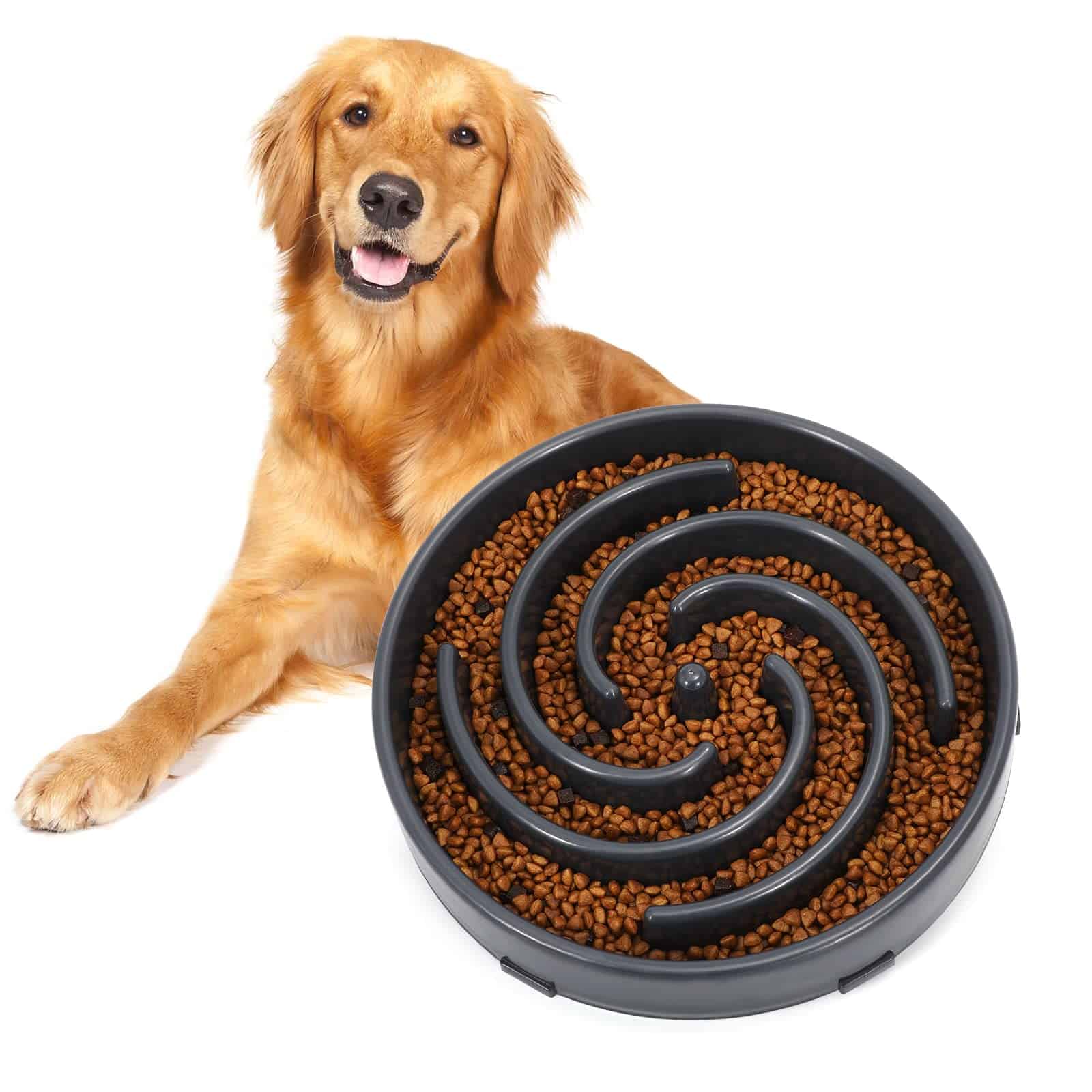
Slow-feeding bowls can help dogs eat more slowly. This cuts down on how much air they swallow while eating.
These special bowls have ridges or maze-like patterns. They make it harder for dogs to gulp down food quickly. Dogs have to work to get their food out, which slows them down.
Eating slower means less air gets into the stomach. Less air means less gas and farting. Slow-feeding bowls come in different sizes and styles to fit any dog.

Provide Probiotics
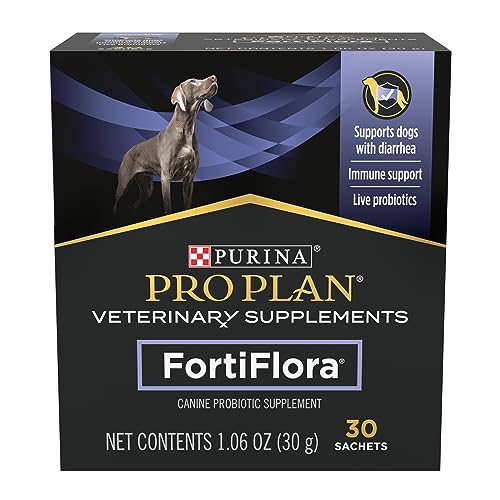
Probiotics are good bacteria that help digestion. They can reduce gas in dogs.
You can give your dog probiotic supplements made just for pets. Some dog foods also have probiotics added. Ask your vet which type is best for your dog.
Probiotics help break down food better in the gut. This leads to less gas being made. They also boost the immune system and overall health.
Start with a small amount and slowly increase it. This lets your dog’s system adjust to the new bacteria.
Avoid Gas-Inducing Ingredients
Some foods make dogs gassy. Cutting these out can help a lot.
Common gas-causing foods for dogs include:
- Dairy products
- Soybeans
- Peas
- Beans
- Spicy foods
- High-fat foods
Read ingredient lists on dog foods and treats. Avoid products with these items near the top of the list.
Try switching to a low-residue dog food. These are easy to digest and make less waste. This can mean less gas for your dog.
Address Food Allergies and Intolerances
Food allergies or intolerances can cause gas in dogs. Watch for signs like itchy skin, ear infections, or diarrhea along with gas.
If you suspect a food issue, try an elimination diet. Remove common allergens like beef, chicken, dairy, and wheat. Feed a simple diet with one protein and one carb source.
After a few weeks, slowly add foods back one at a time. Watch for any return of symptoms. This can help pinpoint problem foods.
Once you know what foods cause issues, avoid them. Choose a dog food that doesn’t have those ingredients.
Resolve Parasites and Underlying Health Issues
Sometimes excess gas is a sign of health problems. Parasites, infections, or other issues can cause gas.
Take your dog to the vet for a check-up. They can test for parasites and other health problems.
If parasites are found, your vet will give medicine to get rid of them. This often helps reduce gas quickly.
Other health issues like inflammatory bowel disease can cause gas too. Your vet can diagnose these problems and suggest treatments.
Fixing underlying health issues often resolves gas problems in dogs.
Wrapping Up
Dog farts are a smelly reality for many pet owners. Some breeds are more prone to gassiness than others due to their body shape, diet, or health issues.
Boxers, Bulldogs, and Pugs top the list of frequent farters. German Shepherds and Labrador Retrievers also make the cut.
Owners can take steps to reduce their dog’s gas. Changing their diet, adding probiotics, or increasing exercise may help. Regular vet check-ups are important to rule out any underlying health problems.
While flatulence in dogs can be unpleasant, it’s often a normal part of their digestive process. With proper care and attention, even the gassiest breeds can be loving, happy companions.
Remember, a little extra air freshener might be a small price to pay for the joy these furry friends bring to our lives.