All products are independently selected by our editors. If you buy something via the links on our site, we may earn an affiliate commission at no extra cost to you. Learn More >
Let’s face it: dogs aren’t always the perfect angels we see in movies. Some breeds have a knack for being a bit more challenging.
It’s not that they’re bad dogs, but their personalities can be a handful. From stubborn attitudes to bossy behaviors, these pups often have their own agenda.
They’re the canine rebels, marching to their own beat and sometimes driving their owners a little crazy in the process. But don’t worry, understanding these breeds can help you navigate their quirky ways.
Let’s dive into the world of dogs that might test your patience but still manage to steal your heart.
1. Chow Chow
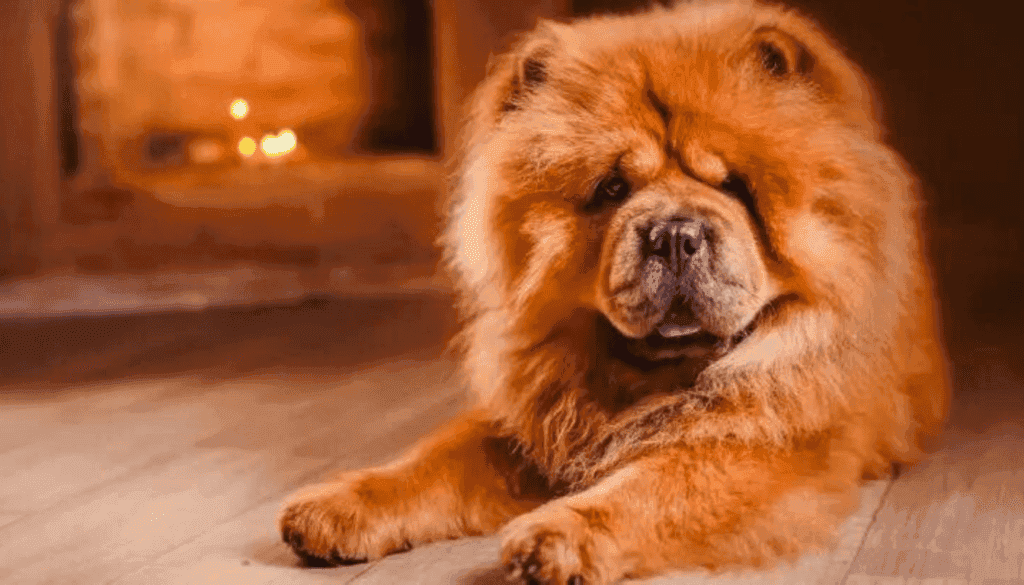
Chow Chows are unique dogs with cat-like personalities. These fluffy canines have a reputation for being independent and aloof. They often prefer their own company to that of humans or other animals.
Training a Chow Chow can be a challenge. They have strong wills and may not always listen to commands. This stubbornness can test an owner’s patience during obedience lessons.
Chow Chows aren’t known for being overly affectionate. They typically don’t seek out cuddles or constant attention from their owners. Instead, they’re content to observe from a distance.
These dogs can be territorial, especially around strangers. They may act protective of their home and family. This behavior requires careful management to prevent any issues.
Despite their challenges, Chow Chows have loyal fans. Some people appreciate their independent nature and dignified demeanor.
For the right owner, a Chow Chow can be a rewarding companion.
2. Jack Russell Terriers
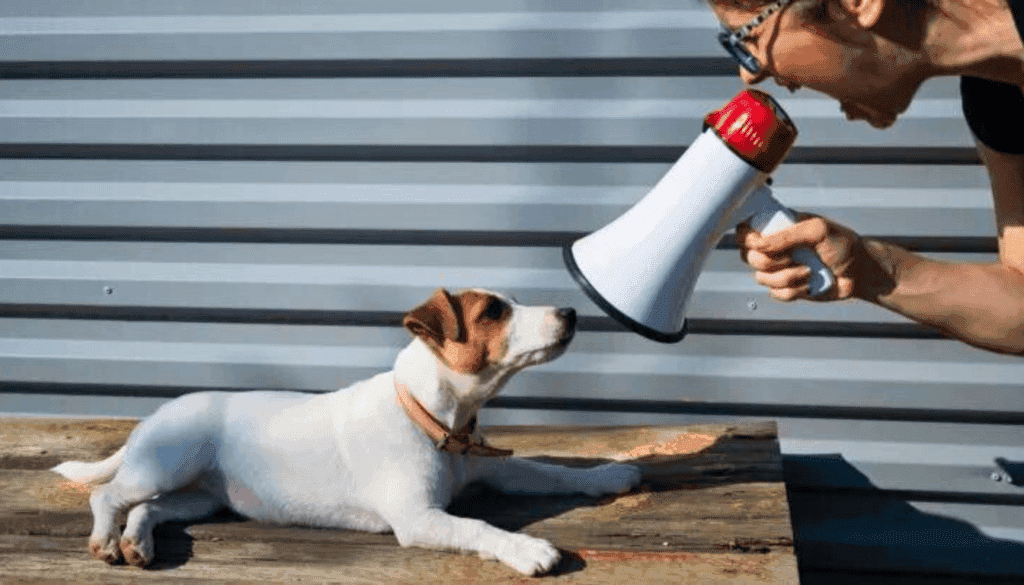
Jack Russell Terriers are small dogs with big personalities. These lively pups pack a lot of energy into their compact frames.
They’re known for being smart and independent, which can sometimes translate to stubbornness.
These terriers need plenty of exercise and mental stimulation. Without it, they may become destructive. They might dig up gardens or chew on household items when bored.
Jack Russells can be challenging to train due to their strong-willed nature. They often have their own ideas about what they should be doing. This can lead to behaviors that some owners find frustrating.
These dogs are also prone to barking and may be territorial. They can be wary of strangers and other animals if not properly socialized. Their high prey drive means they might chase smaller pets or wildlife.
While Jack Russells can make loving companions, they’re not ideal for every home. They require owners who can match their energy and provide firm, consistent training.
Without proper guidance, these spirited terriers may develop habits that some consider “jerky” behavior.
3. Shiba Inu
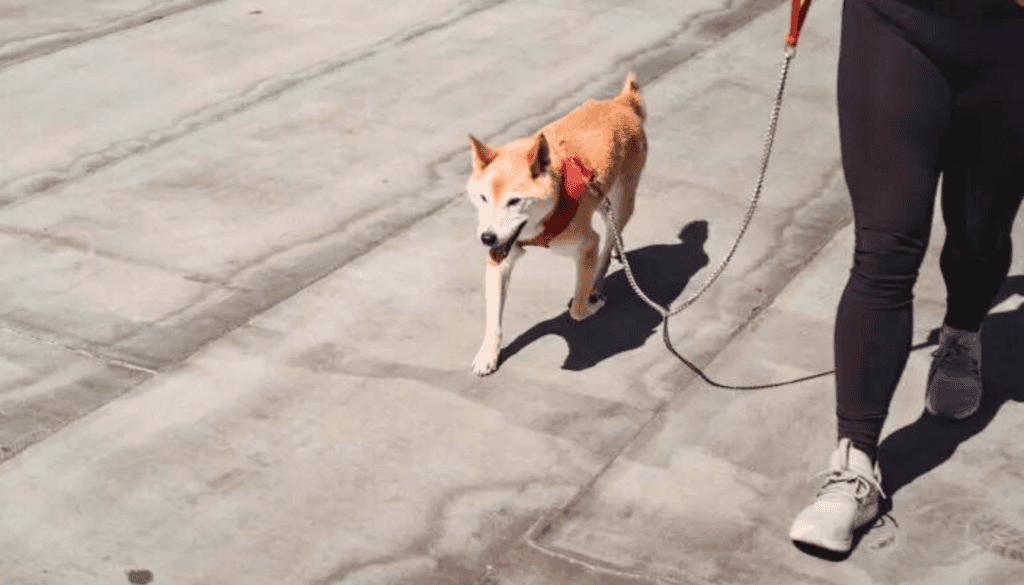
Shiba Inus are known for their strong-willed personalities. These dogs often display an independent streak that can be mistaken for rudeness.
They have a tendency to ignore commands when they don’t feel like following them. This behavior can be frustrating for owners who expect instant obedience.
Shibas are often compared to cats due to their aloof nature. They may not show affection as readily as other breeds and prefer to interact on their own terms.
Their facial expressions can be quite expressive, with many Shibas mastering a look that resembles a judgmental side-eye. This adds to their reputation as being somewhat sassy.
While intelligent, Shiba Inus can be challenging to train. They often have their own agenda and may not be motivated by typical rewards.
These dogs are not always keen on cuddling or constant attention. They value their personal space and may walk away when they’ve had enough interaction.
Despite these traits, many people find Shiba Inus charming and appealing. Their unique personalities can be endearing to those who appreciate a dog with a strong sense of self.
4. Shar Pei

Shar Peis are known for their distinctive wrinkly faces, but their personalities can be just as unique. These dogs often have a strong-willed nature that can challenge even experienced owners.
Shar Peis tend to be aloof with strangers. They’re not the type to greet everyone with a wagging tail. Instead, they often keep their distance and observe newcomers with a wary eye.
Stubbornness is another trait commonly seen in Shar Peis. When they set their mind against something, it can be quite a task to change it. This can make training sessions feel like negotiations rather than lessons.
Their independent streak is notable. Shar Peis often prefer to do things their own way, rather than following commands. This can lead to some interesting stand-offs between dog and owner.
Despite these challenges, Shar Peis can form strong bonds with their families. They’re loyal to those they trust, even if they don’t always show it in the most obvious ways.
5. Dachshund

Dachshunds may look cute with their long bodies and short legs, but they often have big personalities.
These little dogs can be quite stubborn and set in their ways. They tend to form strong opinions about things and aren’t afraid to show it.
Food and toys are serious business for Dachshunds. They can get protective of their belongings and may not want to share. This territorial behavior can extend to other areas of their life too.
Despite their small size, Dachshunds are known for their bravery. They won’t back down from bigger dogs and seem unaware of their tiny stature. This fearless attitude can sometimes lead to conflicts with other pets.
Their independent nature means Dachshunds don’t always listen to commands. Training can be challenging as they prefer to do things their own way.
Patience is key when working with these strong-willed pups.
While Dachshunds can be loving pets, their feisty temperament might surprise some owners. They require firm but gentle guidance to bring out their best behavior.
6. Akita

Akitas are known for their strong-willed personalities. These powerful dogs have a reputation for being independent and sometimes difficult to handle.
They tend to form deep bonds with their families but can be standoffish with strangers.
Training an Akita can be a challenge. They often have their own ideas about how things should be done. This stubbornness can make them seem like jerks to those unfamiliar with the breed.
Akitas may show aggression towards other dogs, especially those of the same sex. This territorial behavior can cause problems in multi-pet households or at dog parks.
Owners need to be aware of this tendency and manage social situations carefully.
These dogs have a protective nature that can sometimes go too far. Without proper socialization, they might become overly guarded of their home and family. This can lead to unwanted behavior towards guests or unfamiliar people.
While loyal to their owners, Akitas aren’t typically affectionate with everyone they meet. Their aloof demeanor might come across as unfriendly to those expecting a more outgoing dog.
7. Weimaraner

Weimaraners are elegant dogs with striking gray coats. They’re known for their high energy and need for exercise.
Without enough activity, these dogs can become restless and bothersome.
Weimaraners often display clingy behavior. They form strong bonds with their owners and may struggle with separation. This breed tends to follow family members from room to room, seeking constant companionship.
These dogs have a reputation for being vocal. They may bark or whine to get attention or express their needs.
Weimaraners can be demanding, sometimes using their voices to communicate their desires.
Training is important for Weimaraners. They’re intelligent but can be stubborn. Consistent guidance helps manage their sometimes challenging behaviors.
Regular exercise and mental stimulation are key to keeping these dogs content and well-behaved.
8. Basenji

Basenjis are unique dogs with a reputation for being independent and challenging to train. These small, spirited hounds originated in Africa and are known for their inability to bark. Instead, they make yodeling sounds when excited.
Despite their cute appearance, Basenjis can be quite mischievous. They have a strong prey drive and may chase small animals. This can make them difficult to control off-leash.
These dogs are intelligent but stubborn. They often ignore commands and do as they please. This selective listening can frustrate owners who expect immediate obedience.
Basenjis are also skilled escape artists. They can climb fences and squeeze through small gaps. Owners need secure yards to keep these clever canines contained.
While not mean-spirited, Basenjis can come across as aloof or disinterested in pleasing their humans. They tend to bond closely with one person and may be indifferent to others.
Training a Basenji requires patience and consistency. Positive reinforcement works best, as harsh methods can make them even more resistant.
Early socialization is key to help them become well-adjusted adults.
9. Miniature Schnauzer

Miniature Schnauzers are small dogs with big personalities. They often act like they’re in charge, even though they’re not much bigger than a cat.
These pups have a loud bark that they use often.
These dogs can be bossy. They’re not afraid to let people know what they want. If a Miniature Schnauzer wants something, they’ll make it clear.
When it comes to strangers, these dogs can be wary. They might not warm up to new people right away. If a Miniature Schnauzer doesn’t like someone, they’ll show it.
These dogs can be protective of their home and family. They might bark at anyone they see as a threat. This can include delivery people or even neighbors they don’t know well.
Miniature Schnauzers need training to learn good manners. Without it, they might think they’re the boss of the household.
This can lead to problems with other pets or family members.
10. Chihuahua

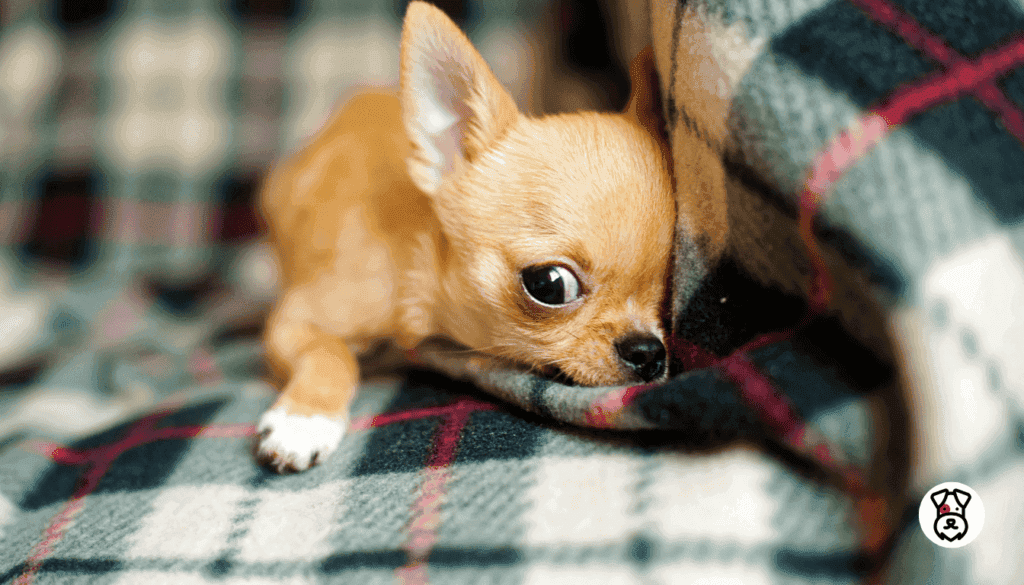
Chihuahuas are tiny dogs with big personalities. These pint-sized pooches often act like they’re much larger than they really are.
They have a reputation for being bossy and demanding.
Chihuahuas tend to form strong bonds with their owners. This loyalty can sometimes turn into possessiveness. They may not welcome strangers or other pets easily.
These little dogs are known for their vocal nature. They bark frequently and loudly, often at the slightest provocation. This can be annoying for owners and neighbors alike.
Chihuahuas can be stubborn and difficult to train. They may ignore commands or refuse to follow rules. This behavior can make them challenging pets for first-time dog owners.
Despite their small size, Chihuahuas often try to dominate larger dogs. This fearless attitude can lead to conflicts with other pets.
It’s important to socialize them early to prevent aggressive behavior.
Understanding Dog Behavior
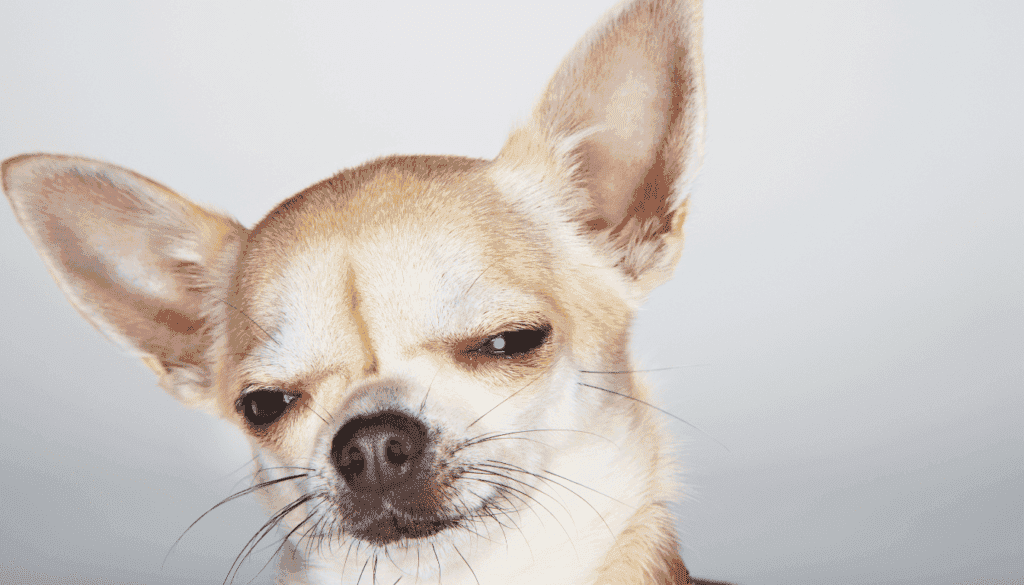
Dog behavior can be complex. Some actions may seem rude or mean, but often have reasons behind them. Learning about what drives dogs can help owners better care for their pets.
What Makes a Dog Seem Like a ‘Jerk’?
Dogs don’t aim to be jerks. Their actions stem from instincts and learned habits. Jumping on people, barking too much, or chewing items might look bad. But these come from natural dog needs.
Jumping shows excitement to greet others. Barking is how dogs “talk” to warn or get attention. Chewing helps clean teeth and eases stress.
Some breeds have stronger instincts for certain behaviors. Hounds may howl more. Herding dogs might nip at heels.
Guard breeds can be extra watchful of strangers.
Common Behavioral Triggers
Many things can set off unwanted dog actions. Lack of exercise often leads to pent-up energy and bad conduct. Bored dogs may destroy stuff or bark a lot.
Fear or anxiety can cause aggression. New people, loud noises, or unfamiliar places might scare a dog. This fear can look like meanness.
Other common triggers include:
- Not enough training
- Pain or health issues
- Changes in routine
- Lack of socialization
- Guarding food or toys
Fixing these root causes can improve a dog’s behavior. Regular exercise, training, and vet check-ups help prevent many issues.
Wrapping Up
It’s clear that some dog breeds can be more challenging than others. But remember, every dog is unique.
These “jerky” behaviors often stem from natural instincts or a lack of proper training. The key is understanding your dog’s needs and providing the right care and guidance.
If you’re considering one of these breeds, don’t be discouraged. With patience, consistent training, and lots of love, even the most stubborn pup can become a wonderful companion.
It’s all about finding the right match for your lifestyle and being prepared for the commitment.
At the end of the day, there’s no such thing as a bad dog – just different personalities that need the right approach.
Happy dog parenting!