All products are independently selected by our editors. If you buy something via the links on our site, we may earn an affiliate commission at no extra cost to you. Learn More >
Seeing our furry friends happy and healthy is important. Dogs use their eyes to explore the world around them, and any changes in their vision can be concerning for pet owners.
Recognizing the early signs of blindness in dogs can ensure they get the care they need. Identifying potential vision problems early can make a significant difference.
If you have any suspicions that your dog is losing their sight get them checked over by your veterinarian.
Below we’ve listed eight signs of vision loss in dogs and have tips for how you can help your dog navigate the changes that come with it.
1. They Get Startled Easily

Dogs with fading vision might get startled more often. They may not see someone coming toward them from the side or behind, leading to sudden flinching or jumping when they’re touched unexpectedly.
This can happen a lot, especially if a car passes by them on a walk, leaving them surprised or nervous.
Approaching a visually impaired dog gently can help prevent scaring them. Calling their name softly before trying to pet them is a good way to let them know you are there.
If the dog is sleeping, tapping the floor or bed gently can be a better choice than directly touching them to avoid a jolt.
Many dogs rely on their hearing and sense of smell when their sight begins to fail. Using treats or favorite toys that make noise can help grab their attention without startling them.
This way, they can stay calm and confident even as their other senses work harder.
2. They’re Sniffing More Frequently
When dogs start to lose their sight, they often depend more on their noses. A noticeable increase in sniffing can be a sign.
Dogs have incredible noses and use them to explore their surroundings.
For instance, if they pause to sniff more than usual before moving, it might be because they can’t see as well.
In a new environment, some dogs will sniff around more eagerly to get familiar with their space.
They might take longer to sniff toys and treats before playing or eating. It’s like they’re using smell as a new way to “see” and understand things.
3. They’re Hesitant to Walk
When a dog begins to lose their sight, they might not want to walk as much. This change can be pretty noticeable, especially if the dog used to enjoy being outside.
Instead of eagerly heading for the door, they may pause or even back away from it.
Their hesitation can also extend to other activities around the house. For example, you might notice they avoid the stairs or seem uncertain when moving through spacious rooms.
To help them feel more secure, consider walking with them on a leash inside your home.
Making the environment safe can also reduce stress for a visually impaired dog. Keep furniture in consistent spots so they can remember their way around.
Using baby gates at the top and bottom of stairs can help prevent accidents and give them safe boundaries.
These simple steps can make a big difference in their comfort and confidence.
4. They Have Cloudy Eyes or Discharge Around Eyes
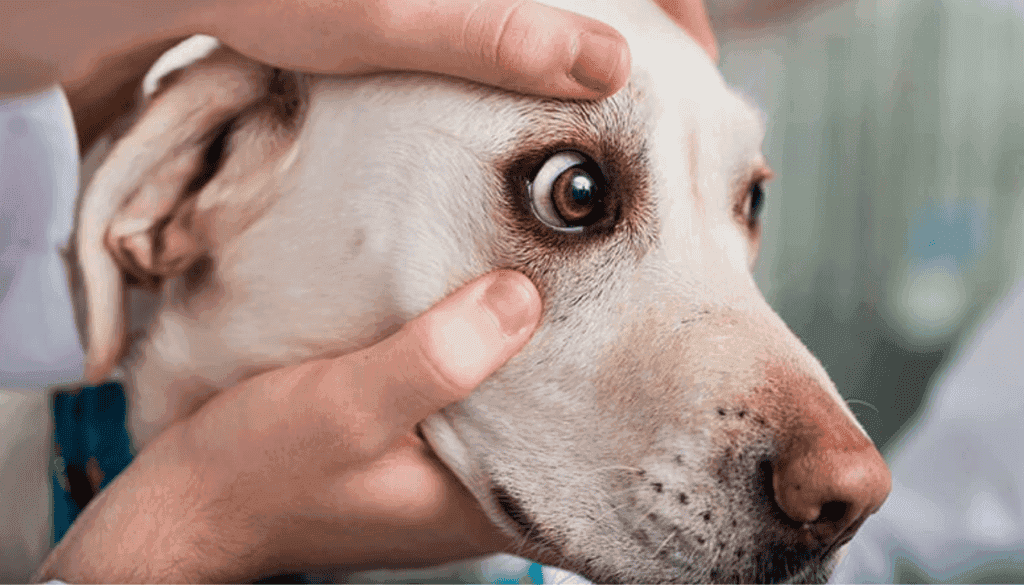
When a dog’s eyes start looking milky or cloudy, it could be a sign of a problem. While aging might lead to a slight haze, severe cloudiness is concerning. Conditions like cataracts can lead to vision loss.
Discharge is also something to watch. If a dog has unusual discharge around the eyes, it could indicate an underlying health issue.
This discharge may accompany redness or swelling, suggesting an eye problem.

Diseases such as cataracts, glaucoma, or anterior uveitis can make eyes look cloudy. These conditions can be very painful for the dog.
If a pet’s eyes appear cloudy or show discharge, it’s important to visit the vet.
A professional can help determine what’s going on and start the right treatment.
5. They Bump into Walls
When dogs start bumping into walls, it’s a worrying sign that their vision might be fading.
Dogs rely heavily on their sight to understand their surroundings, and when it begins to fail, even familiar spaces can become challenging.
A dog might accidentally walk into walls or furniture, which can confuse and frustrate both the pet and the owner.
Imagine seeing your dog misjudge a hallway turn or bash into a table leg. This is because their perception of distance and space is thrown off.
Objects on the floor, like toys or crumpled rugs, can become obstacles, causing trips and stumbles that never happened before.
To help your dog, rearranging your home can make a big difference. Clear pathways are crucial, and adding markers, such as textured mats or rugs, can guide them.
These can serve as road signs to areas like food bowls and beds.
Over time, dogs can adapt to feeling different textures underfoot, allowing them to move more confidently.
Creating a consistent layout in the home will ease navigation for a dog with vision issues.
Their paw pads act as guides, feeling differences in the floor to sense what lies ahead. These small changes in the environment can make their daily lives much easier and less stressful.
6. They Have Increased Clinginess
When a dog starts losing its sight, it might become more attached to its owner. It can feel scary for them, much like when humans feel lost in the dark.
They might stick close, following their owner around the house more than before. Some dogs may not want to be left alone at all.

This change can look a lot like separation anxiety. The dog may constantly check to see where its owner is, almost as if it’s afraid something might happen if they aren’t together.
It’s their way of seeking comfort and finding safety.
It’s key for owners to be understanding without being overprotective. Little changes in daily routines can help the dog adjust better to losing their vision.
For instance, keeping furniture in the same place can help the dog move around more easily.
It’s admirable to be patient and give extra attention, but encouraging independence is important too.
Balancing care and fostering confidence can help a dog adapt more smoothly while still providing the support they need.
7. They Have Difficulty Finding Familiar Objects
When a dog starts to lose their vision, simple tasks can become tricky. A telltale sign is when they have trouble finding things they once knew by heart.
Spotting their food and water bowls becomes a challenge, even if these items haven’t moved an inch.
You might notice your dog wandering around, looking confused as they try to find their way back to their favorite spots or their potty pads.
Sometimes, they miss these entirely, despite them being in plain sight.
One way to make life easier for them is by warming up their meals. This simple trick makes the food smell stronger, acting like a little beacon to guide them to their bowl.
Small changes like these can make a big difference in helping a visually impaired dog navigate their world.
8. They Resist Jumping Up and Down Furniture
When a dog hesitates to jump on or off furniture, it might be a sign of vision problems. Changes in their depth perception can make them unsure about distances.
This can cause them to stop jumping like they once did, as they become anxious about hurting themselves.
Furniture that once seemed like a fun playground can now appear daunting. Dogs may start looking for help to get up or down, such as nudging their owner or pacing around nervously.
They avoid the leap, unsure of what lies ahead.
Using pet stairs can make a big difference. These small steps help dogs regain the confidence to climb onto their favorite spots.
With stairs, they can control their movements more easily, which eases their worries and keeps them feeling more independent.


For many dogs, maintaining their independence is key. Providing tools like dog stairs can let them move freely without relying on others.
Watching them adapt to the help can offer reassurance that they’re feeling more at ease again.
Common Causes of Blindness in Dogs
Blindness in dogs can happen for various reasons and can affect dogs of all ages. Some main causes include genetic issues, physical injuries, and health problems.
Genetic Conditions
Some dog breeds are more likely to inherit eye problems. Progressive Retinal Atrophy (PRA) is one genetic condition where the retina slowly gets worse.
This can lead to blindness over time.
Certain breeds, like Labrador Retrievers and Cocker Spaniels, are more prone to these issues. Cataracts can also be genetic. They cause the eye lens to become cloudy, making it hard for the dog to see.
Identifying these problems early can help manage the dog’s quality of life. Regular eye check-ups can be useful.
Injuries and Accidents
Dogs are active animals and may get eye injuries while playing or exploring. Trauma from accidents, like a run-in with a car, can significantly damage the eyes.
Vision problems can also result from being poked by sharp objects or getting into fights with other animals.
Immediate veterinary care is important to prevent long-term damage.
Sometimes, surgery may be needed to repair the damage. Keeping the environment safe and monitoring playtime can help reduce the risk of injuries.
Diseases and Infections
Some diseases and infections can also lead to blindness in dogs. Diabetes is a common illness that can cause cataracts, leading to partial or complete blindness.
Glaucoma is another condition that increases pressure in the eye, damaging the optic nerve.
This can occur suddenly and should be treated quickly.
Eye infections, whether bacterial or viral, can also harm vision. Symptoms like redness or discharge require prompt treatment.
Regular vet visits help in early detection, possibly preventing vision loss.
Coping with a Blind Dog
Dogs can lose their sight for many reasons, and it can be hard for both the pet and its owner.
It’s important to know how to help a dog adjust to blindness. Two key areas include training strategies and creating a safe home environment.
Training and Adaptation Strategies
Training a blind dog involves using other senses like smell and sound. Consistency is key.
Dogs can learn new commands that have clear meanings or sounds. For example, use specific words for obstacles and paths, like “stop” for hazards or “step” for stairs.
Incorporate touch and smell to guide them. Familiar textures underfoot can help them find their way.
Use scents to mark important places or objects, such as a mint-scented bed. Leverage their strong nose to navigate more confidently.
Positive reinforcement with treats and praise can reinforce successful actions. Dogs can adapt well when they’re encouraged and loved.
Patience is important during this transition. Every success builds trust and independence.
Creating a Safe Environment
A safe environment reduces stress for a blind dog. Eliminate obstacles like toys or furniture in walkways.
Ensure paths to food, water, and sleeping areas are clear. Keep furniture in consistent places to allow the dog to memorize the layout.
Use barriers or gates around unsafe areas like stairs or pools. Non-slip mats can provide a more stable footing for floors.
These small changes create comfort and security.
Adding soft edges or padding to sharp corners can prevent injuries. Consider using a bell on other pets so the dog can track their location.
By making thoughtful adjustments, the home becomes not just safer, but more welcoming for them.

Wrapping Up
Noticing signs of vision loss in a dog can be concerning. It may indicate other health problems that need a vet’s attention.
Early detection and care can greatly improve their quality of life.
Even with reduced sight, dogs can still lead content lives. They rely on their other senses to navigate the world.
With a bit of patience and some modifications at home, they can adapt well.
In short, staying observant and addressing any changes promptly can make a difference in your furry friend’s well-being.
Regular check-ups and a supportive environment help ensure they remain happy and healthy, regardless of their vision.