All products are independently selected by our editors. If you buy something via the links on our site, we may earn an affiliate commission at no extra cost to you. Learn More >
Dog fur everywhere – it’s the never-ending story of pet ownership, right? I swear, sometimes I feel like I’m living in a snow globe of fluff. Don’t get me wrong, I love my furry friend, but keeping up with the shedding can be overwhelming.
If you’re nodding along, I bet you’re all too familiar with fur-covered furniture and clothes that look like you’ve cuddled a yak.
But don’t worry! I’ve picked up some nifty tricks that have saved me from drowning in a sea of fur.
Ready to turn the tide in the battle against shedding? Let’s dive into some fur-fighting hacks that’ll make your life easier.
You might even be able to wear black again without looking like you’ve rolled in a dog bed!
1. Regular Brushing With Furminator

The Furminator is a popular grooming tool for reducing dog hair shedding. It features a stainless steel edge that reaches deep into a dog’s coat to remove loose undercoat hair.
Regular use of the Furminator can significantly decrease the amount of hair dogs shed around the house.
To use the Furminator effectively, pet owners should brush their dogs 1-2 times per week.
The process typically takes 10-20 minutes, depending on the size of the dog and the thickness of its coat. It’s best to brush outdoors or in an easy-to-clean area to contain loose hair.
The Furminator works well on both short and long-haired breeds. It’s especially useful for double-coated dogs that shed heavily.
Some popular breeds that benefit from Furminator brushing include German Shepherds, Labrador Retrievers, and Huskies.


While using the Furminator, it’s important to be gentle and avoid over-brushing. This can irritate a dog’s skin or damage the coat.
Pet owners should follow the manufacturer’s instructions for their specific Furminator model.
2. Use A Roomba i7 For Vacuuming

The Roomba i7 offers an efficient solution for managing dog hair in the home. This robot vacuum uses smart mapping technology to learn the layout of rooms and clean them systematically.
Its three-stage cleaning system picks up pet hair effectively from both carpets and hard floors.
The i7 model features a high-efficiency filter that traps 99% of dog allergens.
Users can schedule cleaning sessions or start them remotely via a smartphone app. The Roomba automatically returns to its base to recharge when the battery runs low.
One notable feature is its ability to empty itself into a sealed bag in the charging station.
This reduces exposure to collected pet hair and dust.
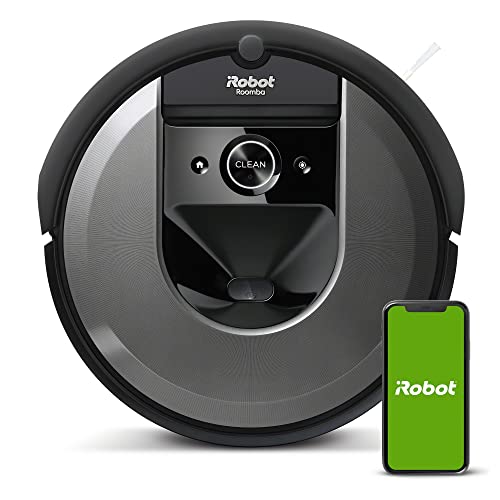
The i7 can be set to focus on high-traffic areas or spots where dogs spend most time. Its rubber brushes resist tangling from long dog hair, ensuring consistent performance.
While pricier than standard vacuums, many pet owners find the i7’s convenience and effectiveness worth the investment.
Regular use helps maintain cleaner floors with minimal effort.
3. Install Pet-Friendly Furniture Covers

Pet-friendly furniture covers can be a game-changer for dog owners. These covers protect sofas, chairs, and beds from fur, dander, and stains.
They come in various materials like microfiber, which repels pet hair and is easy to clean.
Slip covers are a popular option. They fit snugly over furniture and can be removed for washing. Some even have waterproof backing to guard against accidents.
Throw blankets offer a simpler solution. They can be draped over favorite pet spots and easily tossed in the wash. Look for machine-washable fabrics that resist pet hair.
For beds, waterproof mattress protectors shield against accidents and fur. They also help reduce allergens, making sleep more comfortable for both pets and humans.
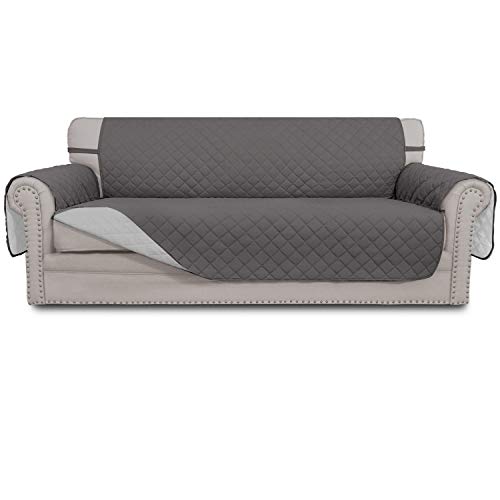
When selecting covers, choose colors that match pet fur. This helps hide any stray hairs between cleanings. Textured fabrics can also help camouflage pet hair.
Regular washing of these covers keeps the furniture looking and smelling fresh. It also reduces the amount of loose fur in the home.
4. Try Allersearch ADMS Spray
Allersearch ADMS Spray is a useful tool for pet owners dealing with dog hair. This anti-allergen spray helps reduce pet dander and hair in the home.
It works by neutralizing allergens on surfaces like furniture, carpets, and bedding.
To use the spray, simply mist it over areas where dog hair accumulates. The formula binds to allergens, making them less likely to become airborne.
This can lead to fewer allergens floating around the house.
Regular use of Allersearch ADMS Spray can make cleaning more effective. It helps loosen pet hair from fabrics, making it easier to vacuum or wipe away.
The spray is safe for most surfaces when used as directed.

Many pet owners find this spray helpful for maintaining a cleaner home. It’s especially useful in rooms where dogs spend a lot of time.
Using it in combination with regular cleaning can significantly reduce dog hair in the house.
5. Opt For A Dyson Cyclone V10 Animal

The Dyson Cyclone V10 Animal is a top choice for pet owners. This powerful cordless vacuum cleaner excels at picking up dog hair from various surfaces.
Its strong suction and specialized attachments make it easy to clean floors, furniture, and hard-to-reach areas.
The V10 Animal can switch between carpet and hard floor modes with a simple click.
The vacuum’s filtration system traps allergens, keeping the air cleaner. Its large dustbin means less frequent emptying, saving time during cleaning sessions.
Users appreciate the V10 Animal’s lightweight design and long battery life. It can run for up to 60 minutes on a single charge, depending on the power mode used.

While the initial cost is higher than some vacuums, many pet owners find the investment worthwhile.
The V10 Animal’s effectiveness in managing dog hair can significantly reduce cleaning time and effort.
6. Use Anti-Static Spray On Fabrics
Static electricity can make dog hair cling to fabrics, making it harder to remove. Anti-static sprays can help reduce this problem.
These sprays work by coating surfaces with a thin layer that prevents static buildup.
Anti-static spray can be used on furniture, curtains, and other fabric surfaces in the home. It’s best to test the spray on a small, hidden area first to ensure it won’t damage or stain the fabric.
For best results, reapply the spray regularly, especially during dry seasons when static is more common.
This simple step can make a big difference in keeping dog hair from sticking to fabrics.
Some pet owners find that using anti-static dryer sheets on their dogs’ beds can also help reduce hair buildup.
This method is safe for most fabrics but should be used with caution around pets.
By reducing static cling, these sprays make it easier to vacuum or brush away loose dog hair.
This can lead to cleaner, more hair-free surfaces throughout the home.
7. Wash Pet Bedding Weekly

Regular washing of pet bedding is crucial for reducing dog hair in the home. Pet beds, blankets, and cushions collect shed fur over time.
This accumulation can spread throughout the house if not addressed.
A weekly washing routine helps eliminate loose hair before it becomes a problem. Hot water and pet-safe detergents are effective for thorough cleaning.
Some pet owners find adding vinegar to the wash cycle helps remove stubborn hair and odors.
Drying pet bedding on high heat can further eliminate any remaining fur. It’s important to check dryer lint traps after each cycle, as they often collect significant amounts of pet hair.
For homes with multiple pets, more frequent washing may be necessary. Keeping spare bedding on hand allows for immediate replacement while dirty items are being laundered.
This simple habit not only reduces loose hair but also provides pets with clean, fresh-smelling bedding.
It contributes to a cleaner home environment overall.
8. Consider Molly Mutt Dog Bed Duvet

Molly Mutt dog bed duvets offer a smart solution for managing pet hair in the home. These duvets fit over existing dog beds, creating a washable barrier that traps loose fur.
Pet owners can easily remove and launder the duvet cover to eliminate accumulated hair. This regular cleaning helps keep dog hair from spreading throughout the house.
The duvets come in various sizes and designs to suit different dog breeds and home decor styles.
They’re made from durable materials that withstand frequent washing.
Some Molly Mutt duvets feature odor-resistant fabrics. This helps control pet odors in addition to containing shed fur. The covers also protect the inner bed from wear and tear.

Using these duvets can extend the life of dog beds. They provide a fresh, clean surface for pets while minimizing hair scattered on floors and furniture.
Understanding Dog Hair Shedding
Dog hair shedding is a natural process that affects most breeds. It involves dogs losing old or damaged fur to make way for new growth.
The amount and frequency of shedding can vary widely between different dogs.
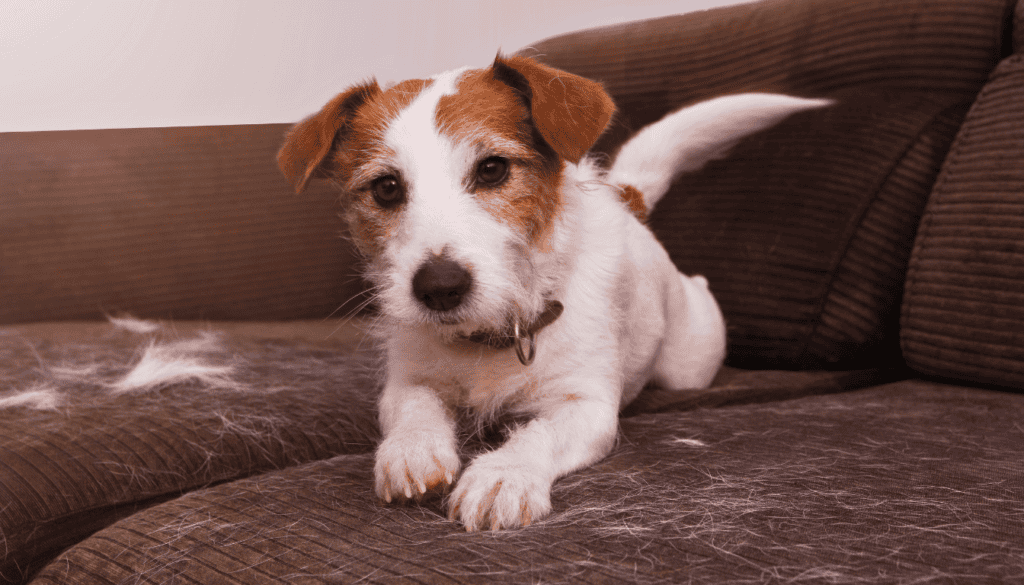
Types of Shedding
Dogs can shed in two main ways: seasonal and year-round. Seasonal shedders typically lose their coats twice a year, often in spring and fall.
This helps them adapt to changing temperatures. Examples include Huskies and German Shepherds.
Year-round shedders lose small amounts of fur constantly. Breeds like Labradors and Pugs fall into this category. Their shedding is usually less noticeable but happens all the time.
Some dogs, like Poodles, are low-shedding breeds. They lose very little fur and are often good choices for people with allergies.
Factors Influencing Dog Shedding
Several factors can affect how much a dog sheds:
- Breed: Some breeds naturally shed more than others.
- Diet: Poor nutrition can lead to increased shedding.
- Health: Certain health issues can cause excessive fur loss.
- Stress: Anxiety or changes in routine may trigger more shedding.
- Hormones: Pregnancy or other hormonal changes can affect coat loss.
Regular brushing can help control shedding in many dogs. It removes loose fur before it falls on furniture or floors.
Proper diet and health care also play key roles in managing a dog’s shedding.
Effective Home Cleaning Strategies
Keeping your home free of dog hair requires the right tools and a consistent cleaning routine.
Regular vacuuming and sticking to a cleaning schedule are key to managing pet hair.
Choosing the Right Vacuum Cleaner
Look for vacuums designed for pet hair removal. These often have strong suction and special attachments for fur pickup. HEPA filters can trap tiny particles, including dander.
Upright vacuums work well on carpets, while canister models are good for hard floors and stairs. Consider cordless options for quick cleanups.
Some vacuums have tangle-free brushrolls to prevent hair clogs. Robot vacuums can help maintain floors between deep cleans.
You can even invest in a good dog grooming vacuum that will allow you to easily trim and cut your dog’s coats to a manageable length.
Regular Cleaning Schedule
Set up a daily or weekly cleaning plan. Vacuum high-traffic areas and pet spaces more often.
Use a lint roller or pet hair remover on furniture and fabrics daily. Wash pet bedding weekly to reduce loose fur.
Dust surfaces with microfiber cloths to trap hair before it settles. Sweep or vacuum hard floors at least twice a week.
Groom your dog outside regularly to reduce shedding indoors. This can make a big difference in managing hair.
Wrapping Up
Keeping dog hair under control takes effort, but it’s worth it for a cleaner home. Regular brushing and grooming help a lot.
Vacuuming often and using the right tools make a big difference too. Putting covers on furniture can protect surfaces from fur buildup.
Air purifiers and proper nutrition also play a role in reducing shedding. With these tips, pet owners can enjoy their furry friends while maintaining a tidier living space.
A little extra work goes a long way in managing dog hair.
By sticking to these methods, dog owners can keep their homes looking good and feeling fresh. It just takes some consistency and the right approach.
With time, these habits become part of a normal routine for a hair-free home.