
All products are independently selected by our editors. If you buy something via the links on our site, we may earn an affiliate commission at no extra cost to you. Learn More >
Dogs can’t speak, but that doesn’t mean they aren’t communicating with us. Every wag of the tail, bark, or curious tilt of the head has meaning.
Understanding these signals can strengthen the bond between you and your furry friend.
Dogs use body language and sounds in unique ways to express their needs and feelings. And learning to recognize these cues can help you respond better to your dog’s needs, making for a happier pet and owner.
Keeping on reading to understand some basic ways your dog might be communicating with you.
1. I’m feeling anxious
When a dog is anxious, they might pace around the room. They may have trouble sitting still and often appear restless. If they’re breathing heavily without having exercised, this could be another sign.
Whimpering or barking excessively can also indicate anxiety. These sounds shouldn’t be ignored, as they are your dog’s way of communicating stress or discomfort. Look for rapid, repetitive barking or high-pitched whines.
Another clue can be the dog’s posture. Tucked tails, ears that lay flat back, or a lowered body can point to fear or nervousness. If your dog suddenly hides, it might be trying to avoid something scary.
Checking for unusual behavior like destructive chewing is important. Dogs sometimes chew on items like shoes or furniture to cope with anxiety. This isn’t just bad behavior; it’s a sign they might need more comfort.
Lastly, some dogs exhibit physical symptoms like trembling, drooling, or even accidents in the house. These shouldn’t be seen as mere disobedience. Instead, it’s a signal to help them feel safe and calm.
2. I’m Hungry
Dogs often use specific behaviors to show they’re hungry. They might bring their bowl to you. This is a clear sign they need food.
Another common behavior is whining or barking around mealtime. Dogs know when it’s time to eat. They get vocal when they’re hungry.
A dog may also follow you around the kitchen. This is because they associate the kitchen with food. Watch for this behavior before mealtime.
Sometimes, dogs will nudge you with their nose. This can be their way of saying, “Feed me!” It’s a gentle reminder they’re hungry.
If a dog starts licking their lips or drooling, it’s likely they’re thinking about food. This usually happens when they smell something tasty.
Pay attention to these signs. Knowing when a dog is hungry helps keep them healthy and happy.
3. I need to go outside
When a dog needs to go outside, they often become restless or anxious. They may pace back and forth by the door or window. Some dogs will bark or whine to get your attention. Others might gently paw at you or the door.
Another sign is sniffing around inside the house. If your dog starts sniffing the floor or walls, they might be trying to tell you it’s time for a bathroom break.
In some cases, dogs will bring you their leash or sit by the door patiently. They might even give you a hopeful look, as if to say, “Please, can we go now?”
It’s important to recognize these signs. Ignoring them can make your dog uncomfortable. Plus, it helps prevent accidents inside the house.
A reliable routine can also help. Taking your dog out at the same times each day makes it easier for both of you. Knowing when they usually need to go can reduce anxiety for everyone.
Just remember, a lot of dogs need to go outside more often than we realize. Pay attention to their signals and help them out.
4. I’m in Pain
Dogs can’t tell us when they’re in pain with words. They show it in other ways. Pacing and difficulty in getting comfortable are signs. You may notice changes in their eating and sleeping habits too.
Limping or favoring one leg can be a clear indicator. Sometimes they might yelp or whine when touched in a certain area. Excessive licking of a specific spot may also mean it’s hurting.
Some dogs become more aggressive or withdrawn. If they’re usually social and suddenly hide or avoid interaction, they might be in pain. Keep an eye on these behavioral changes.
Watch for changes in posture. A dog that arches its back differently or seems stiff might be trying to tell you something’s wrong. They might also have trouble with everyday activities like climbing stairs.
All these signs point to discomfort. If you notice any of them in your dog, it’s time to visit the vet. Early detection can help prevent more serious problems.
5. I want to play
When a dog brings you a toy, it’s a clear invitation. Their eyes light up with excitement. They might wag their tail furiously. This is your dog’s way of saying, “Let’s have some fun!”
A dog that bows down with its front legs stretched out and hind legs up is showing a play bow. This is a universal sign among dogs. They are ready for a game of fetch or tug-of-war.
Barking can also be a sign. It’s not always about warning or asking for something. Sometimes, short, sharp barks mean they are eager to play.
Jumping around in circles or running back and forth is another clue. This energy burst is their way of showing enthusiasm. They want you to join in the fun.
Your dog might nudge you with its nose. This gentle push is a signal. They want to engage with you in a playful manner.
Dogs use these actions to communicate their desire to play. Pay attention to these signs. Playing with your dog strengthens your bond and keeps them happy. They rely on you for fun and companionship.
Understanding Dog Body Language
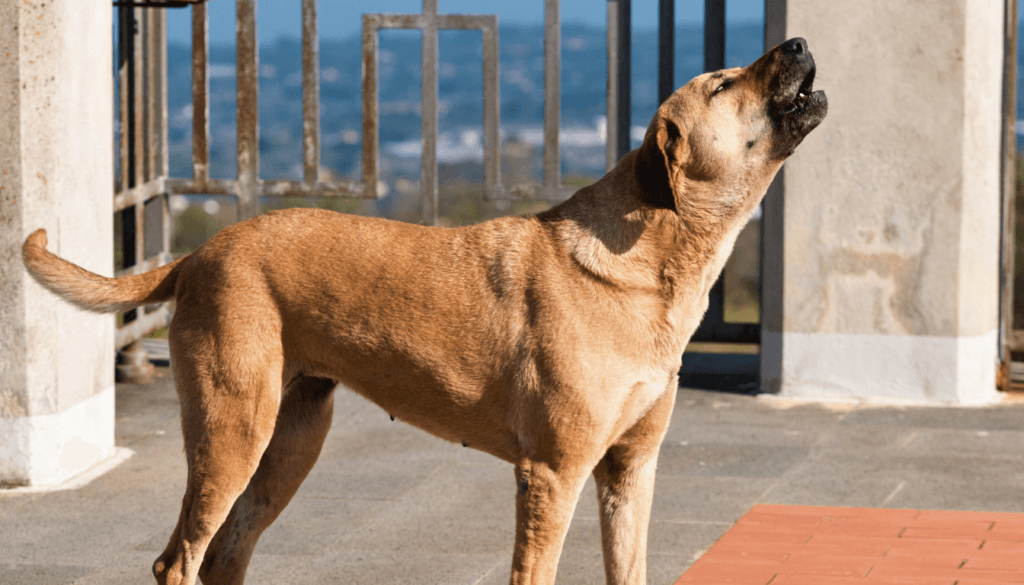
Dogs communicate through their body language.
By observing tail wagging, facial expressions, and ear movements, you can understand what your dog is feeling and trying to tell you.
Dog Tail Wagging and Positioning
A dog’s tail can express many emotions. When a dog’s tail is high and wagging quickly, it often means the dog is excited or happy.
If the tail is low or tucked between the legs, the dog might be scared or anxious. A slow wag mid-height can show the dog is unsure.
- High and Fast Wagging: Excitement, happiness.
- Low or Tucked: Fear, anxiety.
- Slow Wag: Uncertainty.
Your Dog’s Facial Expressions and Eye Contact
Facial expressions in dogs are also key. Eye contact can tell a lot. If a dog looks directly at you, it might be seeking attention or showing confidence.
A dog that avoids eye contact could be scared or submissive. Raised eyebrows indicate curiosity, while showing teeth without snarling may mean the dog is feeling threatened.
- Direct Eye Contact: Seeking attention and confidence.
- Avoiding Eye Contact: Fear, submission.
- Raised Eyebrows: Curiosity.
- Teeth Showing: Feeling threatened.
Ears and Their Movements
Ears play a crucial role in canine communication. When a dog’s ears are forward, it is usually alert and interested.
Ears that are laid back can indicate fear or submission. If the ears are relaxed and natural, the dog is likely calm and content.
- Ears Forward: Alert, interested.
- Ears Back: Fear, submission.
- Relaxed Ears: Calm, content.
Understanding these signals can help you better connect with your dog and respond to its needs.
The Importance of Vocalizations
Dogs use various sounds to communicate with their owners. Different types of sounds can indicate their emotional state and intentions.
Barking Patterns and Meanings
Barking is a primary way dogs communicate. Short, sharp barks might mean excitement or alertness.
Continuous barking can signal anxiety, fear, or the presence of a stranger.
Low-pitched barks often indicate aggression or a threat. Recognizing these patterns helps in addressing the dog’s needs promptly.
Types of barking patterns:
- Single short bark: Alert or surprise.
- Continuous barking: Anxiety or warning.
- Low-pitched bark: Potential threat or aggression.
Understanding these patterns can improve the bond with your dog.
Whining and What It Indicates
Whining can signal a range of emotions, from pain to seeking attention. Puppies often whine to indicate hunger or discomfort.
An adult dog might whine if they feel anxious or want something, like a toy or treat. Persistent whining can also suggest medical issues that may need veterinary attention.
Common reasons for whining:
- Hunger: especially in puppies.
- Attention-seeking: Wanting playtime or cuddles.
- Anxiety or stress: During new situations or separations.
- Pain: This may indicate injury or discomfort.
Monitoring the context can help determine the cause and appropriate response.
Growling: Warning or Play?
Growling can be confusing for many dog owners. It is essential to differentiate between a playful growl and an aggressive one.
Playful growling often occurs during tug-of-war or roughhousing and is accompanied by relaxed body language. In contrast, an aggressive growl signals discomfort, fear, or territorial behavior.
Signs distinguishing growling types:
- Playful growl: Relaxed body, wagging tail.
- Aggressive growl: Stiff posture, bared teeth, direct eye contact.
Recognizing these signs can prevent unwanted incidents and foster a safer environment for both the dog and people.
Wrapping Up
Dogs communicate in many ways beyond just barking or wagging their tails. When a dog brings you toys, it’s a sign they want to play and spend time with you.
Their posture and facial expressions can tell you how they feel, whether they’re happy, sad, or scared.
Sometimes, a dog might follow you around. This shows they trust you and feel safe with you. It’s their way of saying you are important to them.
When they lean on you or sit close, it means they seek comfort and warmth from you.
By paying attention to these signs, you can better understand what your dog needs.
This strengthens your bond and ensures a happy, healthy relationship.