
All products are independently selected by our editors. If you buy something via the links on our site, we may earn an affiliate commission at no extra cost to you. Learn More >
Maintaining optimum heart health is a crucial part of your dog’s well-being. Just like us, dogs lead happier lives when they have healthy hearts.
By adopting a few daily practices, dog owners can help their furry friends stay active and strong. Learning these steps will not only keep their hearts healthy but also boost their energy and well-being.
Thankfully, keeping on top of your dog’s heart health is something that can be achieved with a few simple daily habits.
Here are eight things you can do to keep your dog’s heart healthy.
1. Regular Vet Checkups
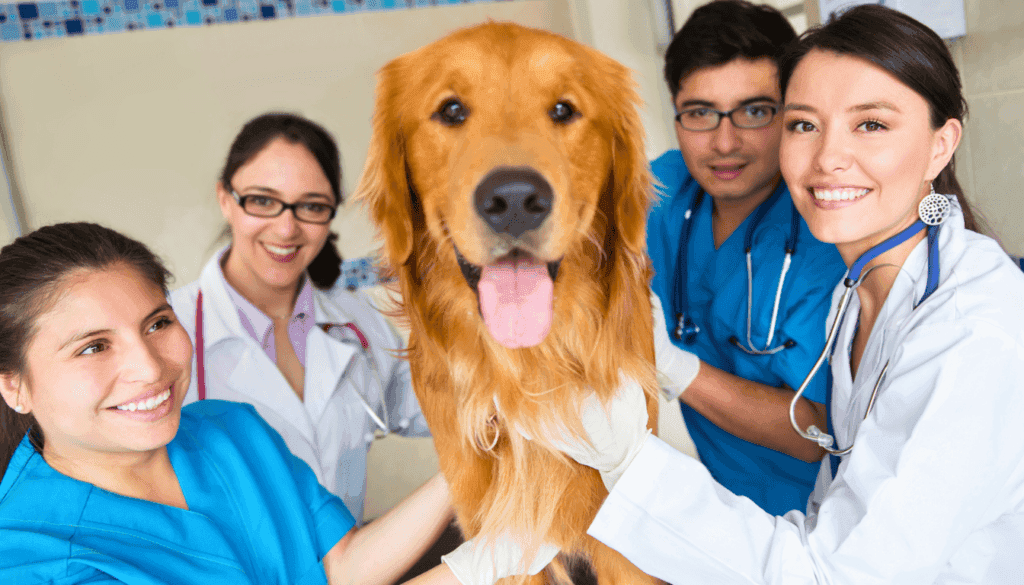
Regular vet checkups are crucial for keeping a dog’s heart in top shape. At these appointments, the veterinarian will listen to the dog’s heart and check for any unusual sounds or rhythms.
Catching problems early can prevent bigger issues down the road.
They can also check for other signs of heart trouble, such as fatigue or coughing. The vet might recommend tests like X-rays or blood pressure measurements.
Having a vet you trust ensures all these steps are covered.
Additionally, vaccinations and parasite prevention keep the heart healthy by warding off diseases that strain it.
For dogs, preventing heartworm, in particular, is key as it can damage the heart seriously.
During checkups, pet owners have the chance to discuss any concerns or changes they’ve noticed. This open communication with the vet can provide peace of mind and practical advice.
Also, vets can offer personalized advice on diet and exercise tailored to a dog’s size, breed, and age. This guidance helps support a strong heart.
Regular visits form a safety net, catching potential problems before they become severe.
Dogs can’t always tell us when they’re not feeling well, so leaning on professional expertise guards against silent risks.
2. Balanced Diets with Omega-3
Feeding a dog with a balanced diet is key to keeping its heart in shape. Omega-3 fatty acids play a big part here.
They help support heart health in dogs by reducing inflammation and helping the heart beat regularly.
Omega-3 can be found in many foods like fish and flaxseed. These ingredients make great additions to a dog’s meals.
It’s like giving their hearts a big, healthy treat!
Sometimes, supplements can be used if natural foods aren’t enough. These omega-3 supplements can usually be mixed into the dog’s food.


Consulting with a vet ensures the dog gets the right amount without overdoing it.
This healthy approach can lead to happier, more energetic dogs. A well-fed dog is often a more active one.
Ensuring a steady intake of omega-3 can keep tails wagging and hearts ticking.
3. Daily Exercise Regimen
Every dog needs exercise for a healthy heart. Regular activity helps control weight and strengthens the heart.
A simple daily walk can do wonders. Even a game of fetch in the backyard contributes to their heart health. Aim for at least 30 minutes of exercise every day.
Not all dogs enjoy the same kind of play. Some love running, while others prefer a slower pace. It’s essential to find what suits each dog.
Observing their behavior can offer clues. If they wag their tail more while playing fetch, stick with that.
Swimming is a great option for dogs that enjoy water. It’s easy on their joints and provides a full-body workout. Introduce new activities slowly to keep your dog engaged.

This variety prevents boredom and keeps their heart pumping strong.
Combine physical exercise with mental challenges. A walk with some obedience training sharpens their mind and boosts heart health.
It keeps them alert and engaged. Try teaching them a new trick during these sessions. This mix of activities brings satisfaction and joy.
4. Heartworm Prevention Medication
Heartworm prevention medication is crucial for keeping a dog’s heart healthy. Heartworms are parasites that spread through mosquito bites.
Once inside, they can cause severe lung disease, heart failure, and other organ damage.
Regular preventive medication stops this from happening. Many options are available, including monthly chewable tablets and topical treatments.
Some are even injectable and protect for six to twelve months.
It’s important to stick to the schedule that suits the dog’s lifestyle and environment. A vet can help choose the best one. Missing doses can leave a dog vulnerable.
For those living in areas with a lot of mosquitoes, year-round protection may be necessary.
Even in cooler regions, a preventive plan is wise. Remember, spotty use can lead to serious health risks for the pet.
Using heartworm meds can be compared to wearing a raincoat on a stormy day. It’s better to stay dry than risk getting soaked.
The same goes for keeping these dangerous worms at bay—keeping up with medication shields a dog from potential harm.
5. Dental Care Routine
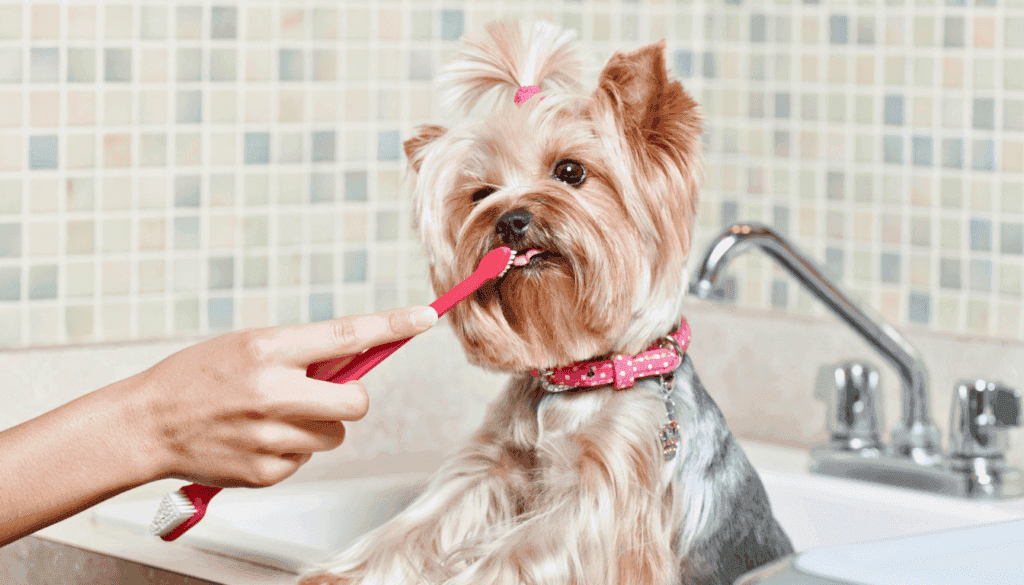
Keeping a dog’s teeth clean is as important as caring for your own. Plaque buildup can lead to gum disease, which can even affect a dog’s heart. Brushing a dog’s teeth regularly helps prevent this.
Using a dog-specific toothbrush and toothpaste makes the process easier. Human toothpaste can be harmful, so it’s best to avoid using that.
Dog toothpaste comes in flavors dogs usually enjoy, like chicken or peanut butter.
For those who struggle with regular brushing, dental treats or toys are great alternatives.
They help reduce tartar as the dog chews. These options can be fun for the dog, making dental care feel less like a chore.
Scheduling regular check-ups with a vet is crucial too. A professional cleaning might be needed now and then.
This can keep more serious dental issues at bay and ensure that any potential problems are caught early.
Implementing a dental care routine doesn’t have to be complicated. A little effort goes a long way in keeping your furry friend’s heart healthy.
With consistency, keeping a dog’s mouth clean and healthy becomes just another part of their routine.
Plus, it gives them fresher breath, making those doggy kisses much more pleasant!
6. Limited Salt Intake
Keeping a close eye on a dog’s salt intake is key to maintaining a healthy heart. Too much salt can lead to high blood pressure, which is risky for a dog’s heart.
Just like in humans, high blood pressure puts extra strain on the heart and other organs.
One way to control this is by checking the labels on dog food. Some commercial dog foods contain added salt to enhance flavor.
It’s important to choose foods with lower sodium levels to help keep a pet’s heart in good shape. Look for options labeled as low-sodium or heart-healthy.
Treats are another area where salt can sneak in. While it’s tempting to share those potato chips from the snack bowl, it’s better to offer low-salt treats specifically made for dogs.
Fresh fruits like apples (without seeds) or vegetables like carrots can be a tasty and healthier alternative.
Additionally, consider preparing homemade dog meals. This way, you know exactly what goes into the food. Use simple, wholesome ingredients, and skip the added salt.
This ensures the dog gets all the nutrients without the extra sodium that could harm their heart over time.
Being mindful of a dog’s diet and making small changes can have a big impact on their heart health.
7. Weight Management
Keeping a dog’s weight in check is vital for its heart health. Just like humans, dogs can develop heart problems if they carry too much weight.
It’s important to pay attention to their diet and exercise routine.
Feeding your dog the right portions can make a big difference. It’s easy to give extra treats or scraps, which adds up quickly.
Sticking to recommended serving sizes helps avoid extra pounds.

Regular exercise is another key part. Taking the dog for daily walks or letting them run in a park keeps them active.
Not only does exercise help maintain weight, but it also strengthens their heart.
Choosing healthy snacks is essential, too. Many treats are high in calories and fats. Opting for low-calorie options or using vegetables like carrots can be a healthier choice.
Monitoring their weight regularly makes it easier to notice any changes. Using a scale can help track their weight accurately.
If it seems like they’re gaining, adjustments to the diet or exercise routine might be necessary.
Working with a vet can provide tailored advice. The vet can recommend specific dietary plans or exercise routines based on the dog’s breed and age.
This ensures a targeted approach for weight management.
8. Stress-Free Environment
Creating a calm space for a dog is key to a healthy heart. Dogs pick up on stress, much like humans do. A peaceful home helps them relax and keeps their heart rate steady.
Keeping noise levels down works wonders. Loud music or shouting might make a dog anxious. Soft sounds or gentle music create a serene atmosphere.
Daily routines offer comfort, too. Routine feeding times and walks help dogs feel secure. They know what to expect, and it keeps them from feeling jumpy.
Including cozy resting spots can make a difference. A comfy bed or quiet corner can be a dog’s sanctuary. It gives them a place to retreat and recharge.
Lastly, social interactions are important. Regular playtime and cuddles show love and care. This not only boosts their mood but also supports their heart health.
Encouraging a stress-free setting can contribute greatly to a dog’s overall heart well-being.
It’s about crafting an environment where they can thrive both physically and emotionally. Making these small adjustments supports a happy, healthy pup.
Wrapping Up
Taking care of a dog’s heart is important. By giving them good nutrition and regular exercise, their heart can stay strong. It’s also key to watch their weight and visit the vet regularly.
Keeping dogs happy and calm helps, too. Stress can affect their heart just like it does in people. Using safe toys and preventing exposure to things they chew or swallow keeps them safe.
With these steps, dogs have a better chance of living a long and healthy life. Owners play a big part in their pet’s heart health. Giving love and attention is the first step.