All products are independently selected by our editors. If you buy something via the links on our site, we may earn an affiliate commission at no extra cost to you. Learn More >
Dogs are great companions, but let’s be honest, their urine can be tough on lawns and plants.
Over the years, I’ve tried and tested a bunch of different plants and shrubs to determine which can withstand dog urine.
In this article, I have narrowed down a list of plants that, from my experience, can handle the impact of dog urine and still grow healthily.
These plants are a great solution for pet owners who want both a lovely garden and happy dogs.
I think you’ll love them!
1. Japanese Holly Fern

The Japanese Holly Fern is a hardy plant that can handle the wear and tear of a dog-friendly yard.
Originating from Eastern Asia, this fern thrives in shady garden spots, mimicking its natural habitat along rocky slopes and stream banks.
Its leaves have a unique appearance with serrated edges, making it a great choice for filling gaps between other plants.
It adds texture and a lush green look to a garden, which can be quite eye-catching.
Given its preference for damp environments, the Japanese Holly Fern needs a humid zone, about 50 percent or more. This is something to consider if you’re in a dry climate, but it often works well in many garden situations.
Being dog-friendly, it’s a smart option for pet owners who want a pretty garden without the worry.
This fern can endure the occasional dog mishap while staying healthy and looking good. It’s like having a tough buddy in your garden who doesn’t mind a little roughhousing.
2. Bear’s Breeches
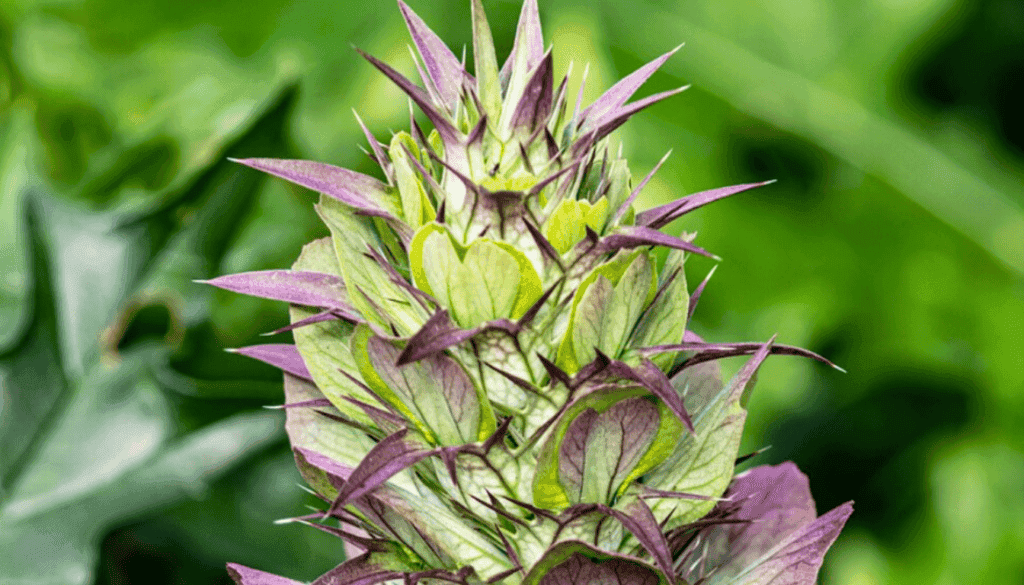
Bear’s Breeches are striking plants with shiny, lush leaves and impressive, tall flowers. They naturally come from the Mediterranean region.
These plants are well-suited for gardens where dogs roam because they can withstand the effects of dog urine without much trouble.
These perennials love lots of room as they can spread out quite a bit. There are about 30 different species, but only a few are ideal for gardens.
They thrive best in soil enriched with compost and do well in full sun or even partial shade.
Bear’s Breeches can be a beautiful addition to the landscape, thanks to their unique and eye-catching appearance.
They add both height and texture to gardens, making them a favorite choice for those looking to create a focal point. With a little care and space, they can flourish alongside furry friends.
3. Mexican Sage
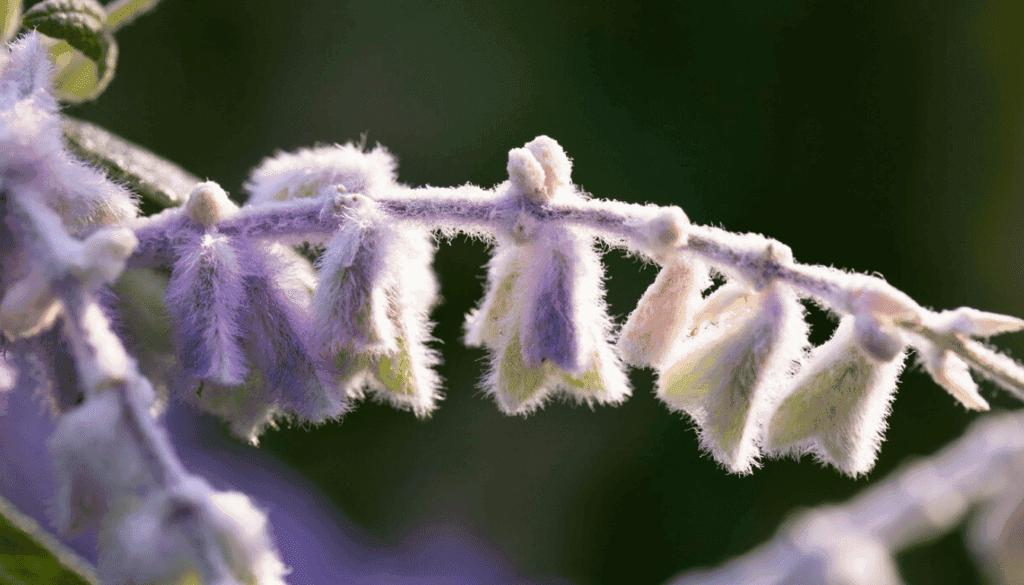
Mexican Sage, also known as Salvia leucantha, stands out with its lush, furry blooms in bold hues. This charming shrub reaches heights of 4 to 6 feet, making it an excellent pick for more extensive garden spaces.
It grows best in soil that stays damp but drains well. Whether planted in the ground or in containers, it shows off its full splendor.
The flowers look their best in full sunlight, but the plant manages fine in some shade, too. This adaptability, along with its vibrant appearance, makes Mexican Sage a favorite in many gardens.
What’s great about Mexican Sage is its resilience. It’s one of the plants that can tolerate the salty effects of dog urine.
In gardens where pets roam freely, this can be a key attribute. With a bit of care and the right spot in the garden, Mexican Sage can thrive and brighten any outdoor space.
4. Japanese Snowball
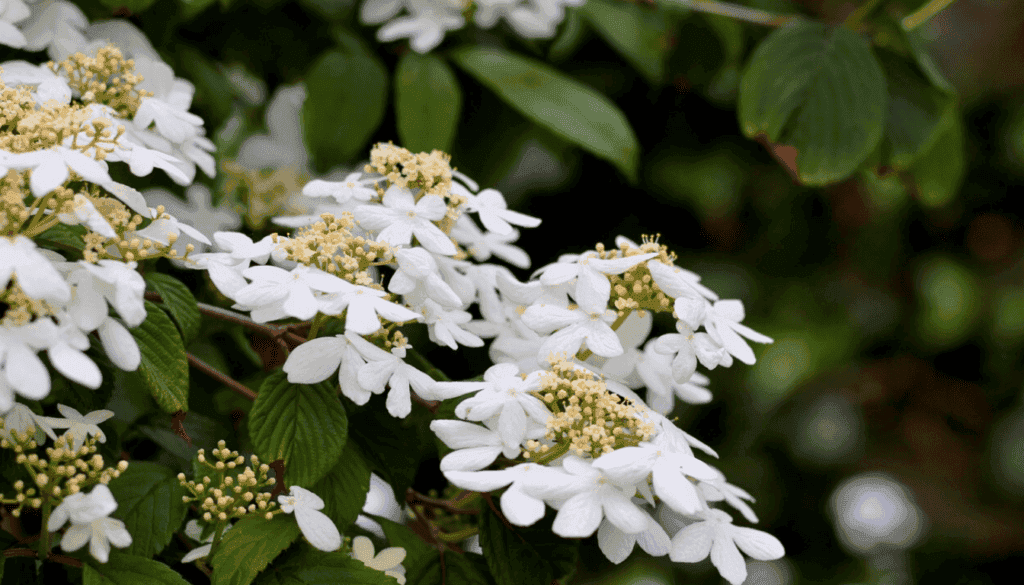
The Japanese Snowball, native to East Asia, is a great pick for dog owners. This plant handles dog urine better than most, making it a good choice for yards shared with pets.
It blooms with lovely white flowers in spring, adding beauty to your garden.
The leaves are a distinct feature of this plant. They’re textured with a pleated look, which gives the plant a unique appearance.
The Japanese Snowball can get quite tall, reaching heights between 8 and 16 feet. So, it’s important to consider space before planting.
Pruning is necessary to keep the plant in check. It grows vigorously, so regular trimming helps maintain its shape and size. Good soil is also a must; it thrives in well-draining conditions.
This plant not only stands up to the wear and tear of dog urine but also brings a touch of elegance to any outdoor space.
5. Carpet Bugleweed

Carpet Bugleweed is a handy plant often used in gardens for its ability to withstand dog urine.
It’s a creeping evergreen plant, which means it stays green year-round and spreads across the ground. This makes it great for filling out bare spots or protecting more delicate plants.
This plant doesn’t mind hanging out in the shade, though it can handle a bit of sun, too. Its bluish-violet flowers can add a pop of color to the garden and attract pollinators.
That makes it not just useful but also a little more lively.
Carpet Bugleweed can spread quickly and is considered invasive in North America. Because of this, it’s important to keep an eye on it so it doesn’t overtake the garden.
If planted thoughtfully, it’s a smart choice for anyone dealing with the challenges of dog urine in the garden.
6. Rose
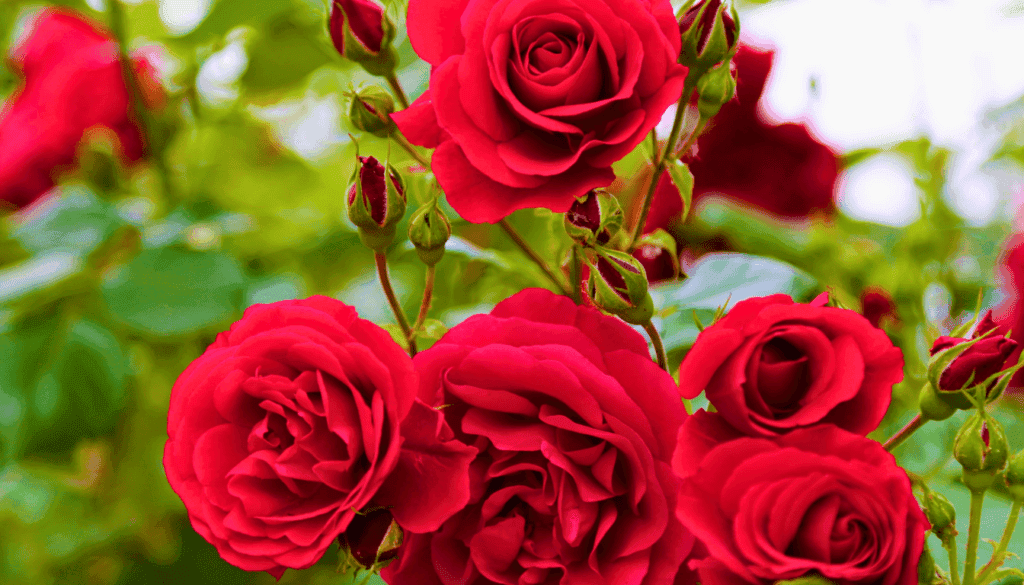
Roses add a beautiful touch to any garden. They’re known for handling dog urine well because they love nitrogen.
With over 300 species to pick from, there’s a rose type for everyone.
Some roses climb and trail, while others form bushes. This variety means you can fit them into any garden layout.
They love soaking up full sunlight but also manage well in partial shade. This makes them flexible plants for many yards.
One thing to watch out for is their thorns, especially if there are dogs around. Thorns can be tricky, so consider where you plant them.
Despite this, their charm and adaptability make them stand out in gardens with pets.
7. Burkwood Osmanthus
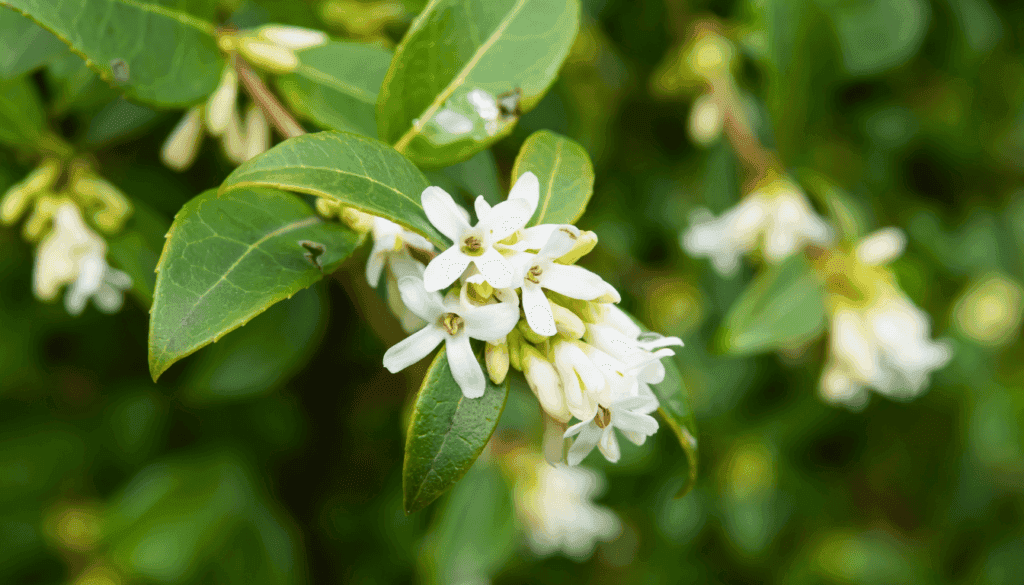
Burkwood Osmanthus is a robust evergreen shrub that can also be shaped into a tree. It’s a great option for gardens with pets.
With its sturdy structure, this plant stands up well to dog urine, making it quite desirable for pet owners.
The shrub displays broad, lush leaves and lovely yellow or white flowers. These blooms not only brighten up the garden but also serve as excellent fillers alongside other plants. It’s like having a built-in bouquet in your yard.
This hardy plant loves basking in full sun but isn’t picky and can thrive just as well in partial shade.
Its ability to adapt to different light conditions means you have more flexibility in choosing its spot in your garden.
Planting Burkwood Osmanthus could be likened to adopting a tough yet pretty protector for your garden.
It doesn’t just endure; it also decorates, enhancing the garden’s overall vibe with its cheerful flowers and strong body.
8. Silver Carpet
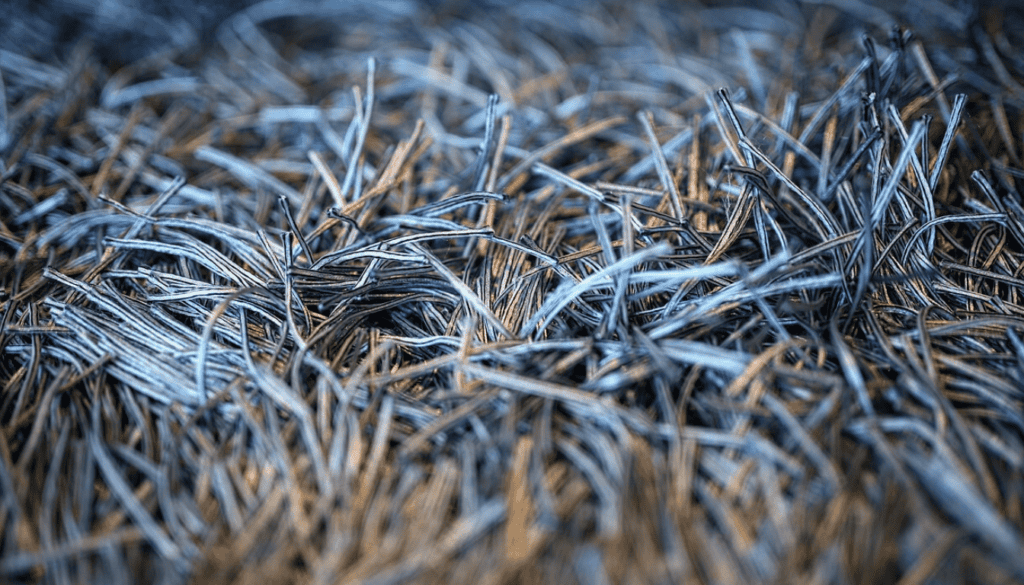
Silver Carpet is loved for its stunning silvery-green leaves. It’s a ground cover plant that can handle a decent amount of activity, which is why people often use it along garden paths or walkways.
Its ability to handle wear and tear makes it a favorite for areas where dogs might roam.
This plant does best in lots of sunlight. So, choose sunny spots when planting. While it prefers well-draining soil, don’t worry if the ground is rocky or poor. It will still manage to grow just fine.
This makes it easy to care for, even if gardening isn’t your strong suit.
A great thing about Silver Carpet is how it takes over and covers the ground. It spreads out and helps keep weeds away, which means less work for you.
Its growth habit makes it practical for those looking for low-maintenance options in their gardens.
Silver Carpet comes from the coastal plains of South Africa. Its origins make it hardy and capable of thriving in various climates, including those that may not receive much rainfall.
This adaptability makes it a reliable choice for many garden settings.
9. Japanese Spindle Tree

The Japanese Spindle Tree stands out in any garden with its glossy leaves and strong build. Known for its durability, it’s a great choice if dogs frequent your backyard.
Its leaves are tough and can handle dog urine better than many other plants.
Originating from Japan, Korea, and China, this evergreen shrub can grow to about 10 to 15 feet tall. While its small blooms are not showy, their subtle greenish-white color adds charm to the landscape.
It’s best planted in areas with plenty of sunlight.
Though it might require some maintenance, like pruning, to keep its growth in check, its resilience to dog urine makes it worth the effort.
10. Ornamental Grasses

Ornamental grasses can handle pretty much anything. Their strong roots and flexible blades make them a great choice for areas where dog urine might be a problem.
Many varieties, like fescue and blue oat grass, can thrive in any yard.
You might have seen ornamental grasses lining paths or filling in garden beds. They create a lush, green look without too much fuss.
They’re also low-maintenance, which is a big plus if you don’t have lots of time to garden.
Think about the visual appeal, too. These grasses can add height and texture. Miscanthus, for example, grows tall and makes a striking statement with its feathery plumes.
It also withstands the tough conditions that might come from having active pets around.
Switchgrass and ryegrass are other tough varieties you might consider. They bounce back quickly after being trampled or exposed to urine. Their adaptability makes them a dependable choice, even for busy landscapers.
They fit well in many settings, whether it’s a casual backyard or a meticulously designed garden space.
Give ornamental grasses a try in your garden. They offer the resilience you’re looking for while keeping things visually interesting. With the right choice, you can keep your garden looking lively and fresh.
How To Create A Dog-Friendly Garden
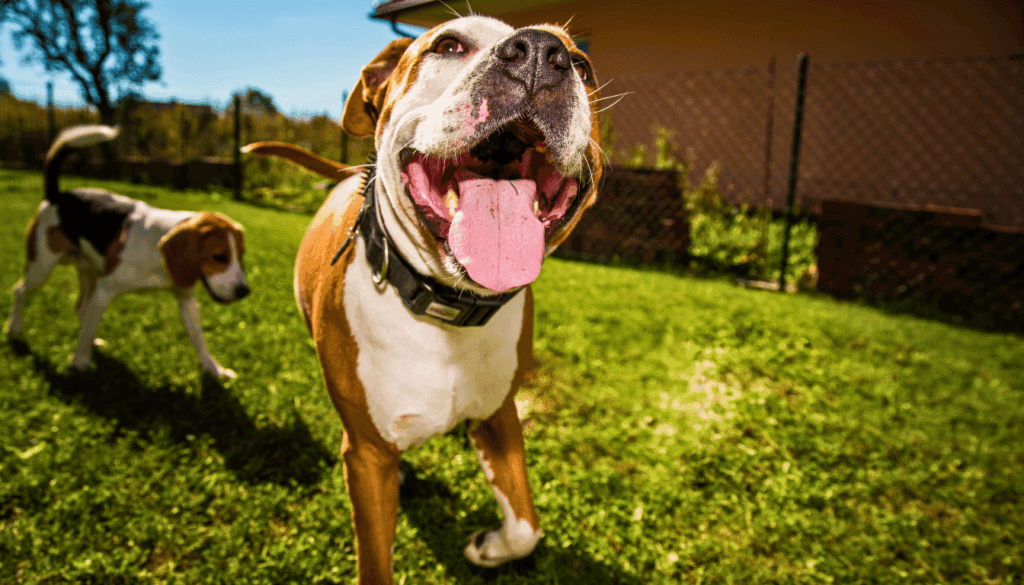
Dogs and gardens can coexist with some clever planning. Start with urine-resistant plants. These plants handle more nitrogen and are less affected by dog urine.
Mix them with other plants to create a balanced look.
Consider setting up a dog-friendly zone. Use gravel, sand, or turf for a spot where your dog can relieve itself.
This keeps the rest of the garden safe from damage.
Raised beds are another option. They offer protection for precious plants. When creating flower beds, choose plants that are safe if dogs decide to investigate. Avoid plants like lilies or aloe that can be harmful to pets.
Use hardy ground covers between delicate plants. These act as shields, absorbing some of the impact from any dog-related incidents.
Creating pathways can help. Direct dogs away from garden areas and toward places they can enjoy without causing harm.
This guides their interest and energy towards dog-friendly spots.
When selecting plants, research and ensure they are non-toxic. Dog-safe plants provide peace of mind while allowing more freedom in plant selection.
Creating a dog-friendly garden doesn’t mean sacrificing its beauty. With thoughtful choices, gardens can be both lush and safe.
Wrapping Up
I know firsthand that caring for a garden while having a dog can be tricky. Dog urine often causes unwelcome yellow patches on your lunch green lawn and harm to your beloved plants.
By choosing plants that are able to withstand dog urine, your garden can stay lush and green. These hardy plants not only survive the nitrogen-rich urine but also add beauty to any space.
With careful selection, it’s possible to have a vibrant garden and a happy pet!