All products are independently selected by our editors. If you buy something via the links on our site, we may earn an affiliate commission at no extra cost to you. Learn More >
Many people see their dogs as family members and care deeply about their well-being. Just like humans, dogs can also experience emotional ups and downs.
Sometimes, our furry friends may even show signs of depression.
Knowing these signs can help you take action to improve your dog’s mood and quality of life.
Understanding the symptoms can aid in recognizing when your pup needs extra attention or a visit to the vet.
Keep on reading to learn more about the common signs your dog might be feeling down.
1. Loss of Interest in Play
A dog that isn’t interested in play can be a sign of depression. Normally, dogs love playing games like fetch or tug-of-war.
If they suddenly stop showing excitement for these activities, it might be a warning sign.
For example, a dog that used to greet its owner with a wagging tail and toy in its mouth might start ignoring toys. They might even ignore their favorite ball or treat-dispensing toy.
Depressed dogs often seem disinterested in activities that once made them happy. Whether it’s running in the park or playing in the backyard, their lack of enthusiasm can be a clear indicator of their mood.
Additionally, some dogs withdraw from social playtime with other dogs or people. They might isolate themselves instead of joining in.
Watching for these changes can help identify if a dog might be feeling down.
2. Change in Eating Habits
A sudden change in eating habits can be a signal that your dog is feeling down. If a pup normally gobbles up dinner but suddenly starts ignoring the bowl, it’s worth paying attention.
Sometimes, a depressed dog may stop eating altogether or just pick at their food. It’s like if your favorite meal no longer excites you.
This change can lead to weight loss and other health issues.
On the flip side, some dogs might start eating more when they are feeling blue, just like how some people eat comfort food when stressed. It’s important to monitor these changes closely, as overeating can also cause problems.
If you notice your dog’s eating habits have changed, it’s a good idea to consult with a vet. There could be an underlying health issue causing this change, or it might be emotional.
Either way, catching it early can make a big difference.
3. Lethargy
If your pup seems unusually tired or uninterested in activities they once loved, they might be experiencing lethargy. This isn’t just the occasional lazy day. It’s a persistent lack of energy or enthusiasm.
A dog that used to jump for joy at the sight of a leash may now prefer to stay in their bed.
They might even skip meals, showing little interest in food or treats.
Lethargy in dogs can be a clear sign of depression. It’s important to observe their behavior closely. If they seem unusually sluggish or withdrawn, it’s worth consulting a vet.
There could be an underlying health issue contributing to their lack of energy.
Don’t ignore this sign. Your pup relies on you to notice when something’s off. Taking action early can make a big difference in their well-being.
4. Avoiding Social Interactions
A dog who suddenly avoids people or other animals might be feeling down. Dogs are usually social creatures, enjoying playtime with other pets and humans.
If a once-friendly dog starts hiding or staying away from family members, this can be a red flag. He may prefer to be alone, shying away from activities he once loved.
Look for signs like not greeting visitors, avoiding eye contact, and refusing to join in on family fun. These actions might hint that something is off emotionally.
A formerly outgoing pup who now steers clear of the dog park could be experiencing feelings of sadness. Pay attention to these changes in behavior.
They can be telling you more than you might think.
5. Excessive Sleeping
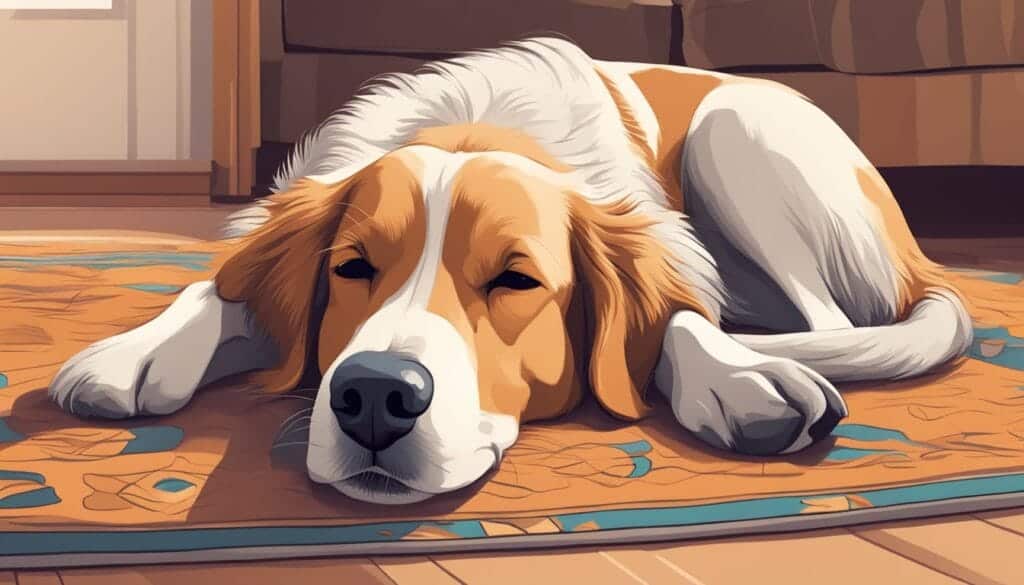
Dogs love their naps, but if they’re snoozing too much, it might be a sign something’s wrong.
If a pup starts sleeping more than usual, especially during times they’d normally be active, it raises a red flag. Excessive sleeping can point to depression or other health problems.
Sometimes, pets use sleep to escape feelings of sadness or boredom. If a dog isn’t interested in play or regular walks and just wants to nap, it could be their way of coping.
A drastic change in sleep patterns is worth noting. For example, if a dog usually sleeps 8 hours but now sleeps 12 or 14 hours, it could be telling.
Keeping a sleep diary can help track these changes. Noting sleep times, activities, and behaviors can provide useful information for a vet visit.
Dogs, like people, can have off days. However, if excessive sleeping continues for more than a few days, it’s good to chat with a vet.
6. Hiding or Seeking Isolation
When a usually social dog starts hiding or seeking isolation, it can be concerning. They might choose to spend more time alone instead of playing or being with family.
Dogs might hide under beds, in closets, or any secluded spot. This behavior is unusual for a dog that enjoys being around people.
Sometimes, dogs may prefer to sit alone in another room. It’s a sign they’re not feeling like their usual selves. If this becomes a habit, it could indicate they’re feeling down.
Depression in dogs can push them away from their normal interaction. They might ignore their favorite toys or games. This change should prompt you to pay closer attention to their needs.
7. Unusual Aggression
Dogs can become aggressive for many reasons, but if a usually calm pup starts showing aggression out of the blue, it might be a sign of depression.
For instance, they might start growling or snapping at other dogs or people. This behavior can be shocking if your dog is normally friendly and gentle.
Changes in aggression can also show up during playtime. A dog who used to play gently might become rough and hostile.
Owners might notice their dog guarding their food or toys more fiercely than before. This can be a clear sign something’s wrong.
In some cases, this aggression might be towards strangers. A dog that used to be curious and polite around new people might start to bark or growl aggressively.
It’s crucial to understand that this change in behavior isn’t just a phase. It’s a cry for help and needs to be addressed.
Talk to a vet or a dog behaviorist if this kind of aggression appears. They can help identify the root cause and offer solutions.
8. Excessive Licking or Chewing
When a dog licks or chews themselves more than usual, it might mean they’re feeling down. This behavior can be a way for them to comfort themselves, much like how humans bite their nails when nervous.
Pay attention if it becomes a regular habit.
It’s normal for dogs to groom, but when it turns into over-grooming, it’s noticeable. They might focus on a single spot, causing red, irritated patches or even sores. This can be a sign they’re trying to cope with negative feelings.
Look out for chewing on objects or furniture more than usual. While puppies chew to explore, an older dog doing it excessively can be concerning. They may be using this as an outlet for their stress or sadness.
Think about other changes, like if they’ve started licking or chewing since a lifestyle change. Maybe a new pet joined the family, or an important family member moved away.
These can trigger such behaviors in dogs as they adjust.
Besides the emotional aspect, don’t forget that physical issues might also be a cause. Allergies or skin conditions can lead to excessive licking and chewing.
Always consult a vet to rule out any health problems before focusing solely on emotional causes.
Understanding Canine Depression
Canine depression can show up in various ways, often due to specific situations.
Knowing the common causes and effects can help you recognize if your pup needs help.
Common Causes of Canine Depression
Pups can get depressed for different reasons. Changes in the environment, like moving to a new home, can stress them out.
For instance, a dog may feel unsettled when there are new family members or pets. Loss of a companion, whether it’s another animal or a person, can also deeply affect them.
They might feel lonely and not know how to cope.
Another cause is lack of stimulation. Dogs need mental and physical activities. If they’re bored, they might become sad.
Additionally, changes in routine can throw them off. Dogs thrive on predictability, so significant changes can be hard for them to handle.
Medical issues can also play a role. If something is physically wrong, it might manifest as depression. Regular check-ups with the vet can help catch any underlying issues early.
How Depression Affects Dogs
Depression in dogs can lead to noticeable changes in behavior and habits. Lack of interest in activities they once enjoyed, like playing or walking, is a major sign.
They might also show changes in eating habits, either eating much less or more than usual. This can affect their overall health.
Another common sign is withdrawal from social interactions. Depressed dogs might avoid people and other pets. They might sleep more but still seem tired.
Physical symptoms like weight loss or poor coat condition can also appear. Depression can weaken a dog’s immune system, making them more prone to illnesses.
This all adds up to a clear message that a depressed dog needs attention and care. Being aware of these signs can make a big difference in your pup’s life.
Diagnosing Canine Depression
It can be tricky to tell if your dog is down in the dumps or something else is going on.
Vets play a big role in figuring this out, making sure your pup gets the right help.
Differentiating Between Depression and Other Conditions
Dogs can’t tell us how they feel, so we have to watch for signs. Depressed dogs might be less active, eat less, or sleep too much. These signs can also point to other health problems.
Make a list of what you’ve noticed: changes in eating, sleeping, or energy levels. Also, think about any big changes in your dog’s life, like a new pet or moving to a new home.
It’s important to compare these signs with other conditions like thyroid issues or infections.
Sometimes, a physical exam, blood tests, or behavior assessments help to rule out other problems.
Role of Veterinarians
Veterinarians are crucial in diagnosing depression. They will review the dog’s medical history and conduct a thorough exam. They might ask questions about recent changes in behavior and routines.
Labs tests help check for underlying issues. Vets can spot signs of pain or illness that owners might miss.
Vets might suggest seeing a pet behaviorist if physical problems are ruled out. They can also recommend ways to make your dog happier, like more exercise or a special diet.
It’s essential to follow their advice closely to help your dog feel better.
Treatment and Management
Helping a depressed pup involves addressing their behavior, considering medications, and creating a supportive home environment.
Behavioral Interventions
Changing a pup’s daily routine can make a big difference in their mood. Regular exercise is crucial; it not only helps keep them fit but also boosts their mood.
Simple activities like daily walks, playtime in the yard, or even fetch can be very effective.
Training and stimulation are also important. Introducing new games or teaching new tricks can keep their mind engaged.
Socialization with other dogs or people may help them feel less isolated. It’s essential to watch for signs of nervousness or aggression during these activities and adjust accordingly.
Positive reinforcement is key. Rewarding good behavior with treats or extra love builds confidence and a sense of security.
Consistent schedules and routines provide stability, which is comforting for them. Consulting a professional trainer or behaviorist might be beneficial if you notice persistent issues.
Medications and Therapies
In some cases, natural remedies or prescription medications might be necessary. A veterinarian can recommend suitable options, such as antidepressants or anti-anxiety medications.
These medications should always be given as directed and monitored for side effects.
Therapies like acupuncture or massage therapy can provide relief and promote relaxation. These treatments can be particularly useful for dogs who are stressed or anxious.
It’s important to seek out professionals who are trained in animal therapies to ensure safety and effectiveness.
Don’t forget about pheromone diffusers and calming supplements. These can create a more serene environment for your pup.
Always discuss these options with your vet to make sure they’re safe and appropriate for your dog’s specific needs.
Creating a Supportive Environment
A comforting home environment is vital for a depressed pup. Start by ensuring they have a cozy and quiet space where they can retreat when feeling overwhelmed. Soft bedding, favorite toys, and a calm atmosphere can work wonders.
Routine is everything. Regular feeding times and consistent daily activities can alleviate anxiety.
Make sure they’re not left alone for long periods if possible. Companionship, whether from people or other pets, is really important.
Reducing stressors is a big part of creating a supportive environment. Loud noises, frequent changes, and chaotic situations should be minimized. It’s also useful to watch for any patterns or triggers that might worsen their depression, taking steps to avoid them.
Wrapping Up
Recognizing the signs of depression in your pup is vital for their well-being.
Keep an eye on changes in their behavior like loss of interest in play, reduced appetite, and excessive sleeping. These signs can indicate that your dog needs extra care and attention.
Spend quality time with your furry friend, and consider speaking to a vet if you notice any worrying symptoms.
Caring for your dog’s mental health is just as important as their physical health.