

All products are independently selected by our editors. If you buy something via the links on our site, we may earn an affiliate commission at no extra cost to you. Learn More >
Dogs have a special way of communicating with us through sounds. These noises can sometimes be confusing, but they usually mean something specific.
Understanding these sounds helps dog owners know what their pets are feeling or needing.
As you learn about the different sounds dogs make, you’ll gain insight into their world. Each bark, yip, or whine has its own meaning, helping you connect better with your furry friend.
They’re not just vocalizing for fun—there’s often something they’re trying to tell us.
1. Whimper-whine
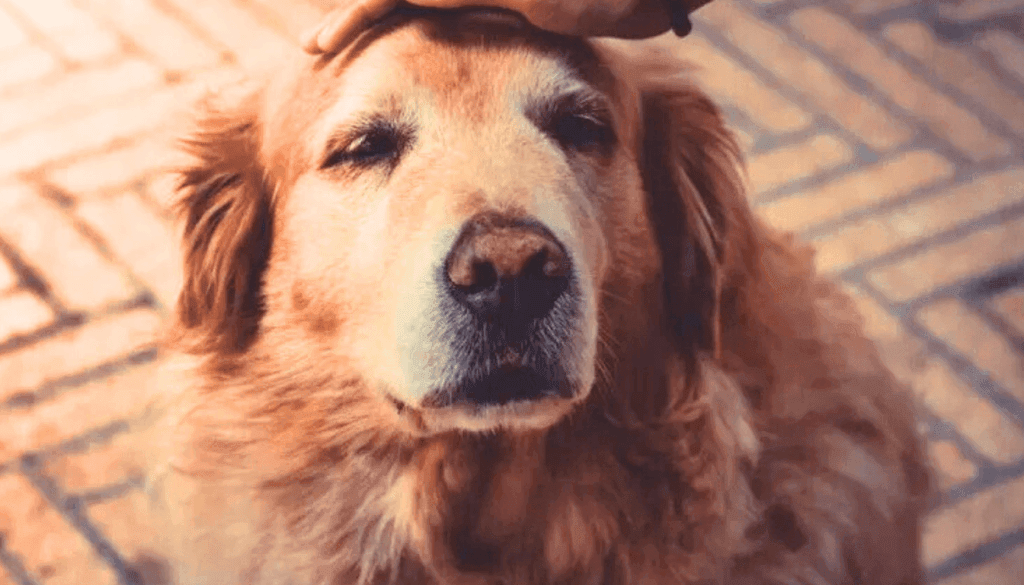
The whimper-whine is a sound many dogs use, and it’s usually high-pitched and prolonged. It’s often their way of telling us about their needs or feelings.
It can signal that a dog wants something, like a treat or a toy, or it might mean they’re feeling uneasy.
Dogs learn that we respond to this sound, so they use it to get our attention. Just like when a child whines for a cookie, a dog might whimper to get a scratch or to be let outside.
It’s their shortcut to communicating with us, tugging at our heartstrings.
Sometimes, dogs whimper when they’re feeling frustrated or uncomfortable. This might happen when they’re in a new place or left alone for a bit too long.
It’s as if they’re saying, “Hey, I could use a little comfort right now!” This sound highlights how much dogs rely on us for reassurance.
Since every dog is unique, it’s good to pay attention to the context. Notice when and where your dog whimpers to better understand what they’re trying to tell you.
Over time, you’ll become a pro at decoding their messages.
2. The Classic “Woof”

When a dog lets out a single, sharp “woof,” it’s often their way of announcing something they’ve noticed.
Whether it’s a person walking by or an unusual sound outside, this bark is straightforward. It carries a message similar to, “Hey, look at this!” or “I’ve spotted something!”
Dogs use this sound to communicate with their humans. The “woof” is confident and filled with curiosity.
It’s often a dog’s way of saying, “I’ve got everything under control.” This bark can command attention because it’s clear and direct.
Imagine a town crier ringing a bell to grab everyone’s attention. That’s how dogs use this bark. They might not be using fancy words, but their message comes through loud and clear.
They’re alerting you and asking for your response, even if just a quick glance out the window.
3. The Huff or “Chuff”
Dogs often make a sound that resembles a quick exhale through the nose, known as the huff or chuff. This gentle snort usually means a dog is feeling a bit impatient or frustrated.
Picture a time when you’re waiting for something interesting to happen, and you’re starting to get a tad restless.
When a dog huffs, it might mean they’re seeking attention or are slightly annoyed with waiting. Imagine your dog sitting by the door, having been leashed up, and you’re still gathering your things.
This sound could be their subtle way of urging you to hurry up.
It’s like a low-level alert that lets you know they might be ready to move on or engage in some activity.
Sometimes, acknowledging that you’ve heard them is enough to ease their restlessness. If ignored, they might try other ways to catch your attention.
4. The Dramatic Sigh

The dramatic sigh isn’t just noise; it’s a silent communication. Often, a deep sigh can mean a dog feels very relaxed.
Picture a dog lying down on the floor, letting out a long, content sigh. It’s like they’re saying, “Ah, this feels good.”
Sometimes, the sigh might seem dramatic, almost like they’re sulking. It’s similar to when people sigh when plans change unexpectedly.
For a dog, it might signal a bit of disappointment, as if expressing, “Well, okay, I guess this will do.”
Understanding these sighs can give insights into a dog’s mood. It allows an owner to respond to their pet’s needs more effectively. If a dog sighs often during downtime, it’s probably their way of easing into relaxation.
5. The Howl
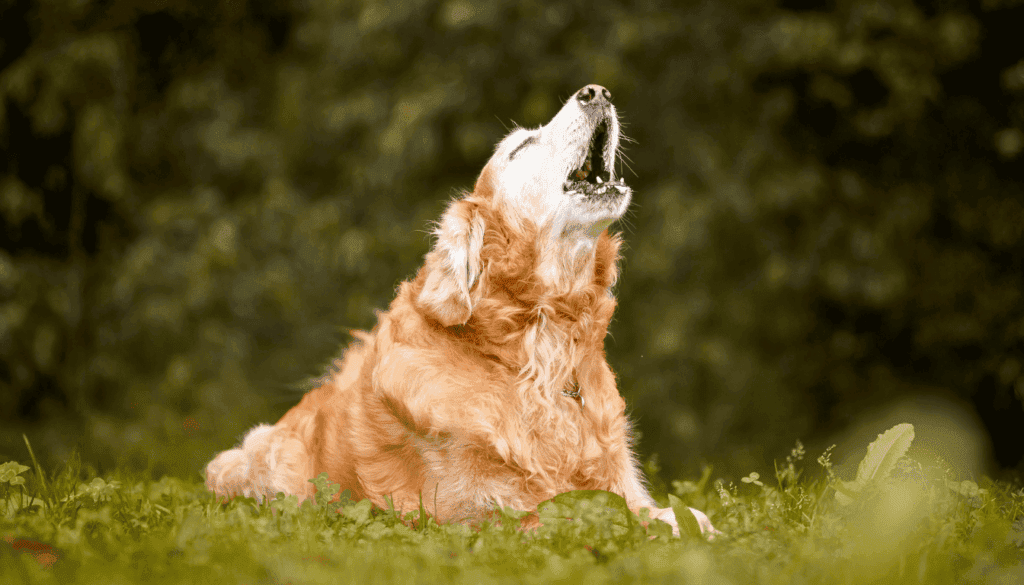
Dogs have a deep-rooted howling instinct, inherited from their wolf ancestors. This unique sound often echoes through the air when a dog hears a siren, music, or another dog’s distant call. The howl isn’t just noise; it’s a form of communication.
Picture a group of wolves calling to each other across a snowy landscape. That’s essentially what dogs are doing.
They might be seeking attention, signaling their presence, or simply responding to sounds that catch their ear.
Some breeds are more inclined to howl than others. Breeds like Siberian Huskies and Beagles are known for their howling tendencies.
They seem to have a natural flair for this kind of vocalization. It’s almost as if they’re following an ancient script, part of a long-standing canine tradition.
Occasionally, a dog might howl just to say “I’m here!” It’s their way of staying connected. So next time Max or Bella lets out a long, soulful cry, remember it’s part of who they are. Each howl is a small reminder of their wild ancestry.
6. The Snort or Snuffle

When a dog snorts or snuffles, it’s often because they’re very interested in something. This sound usually happens when they’re exploring a new smell.
With their nose close to the ground, they might snort while sniffing. It’s like saying, “I’ve found something intriguing!”
Snorting can be a sign of a curious dog at work. Dogs have an amazing sense of smell, and this noise shows they’re using it to the fullest.
They might be picking up an interesting trail or checking out a specific spot. It’s like they’re following a mystery with their nose.
This behavior is natural and reflects their love for exploration. It’s often seen in parks or new environments where there are lots of scents to discover.
While humans use their eyes to find out what’s happening, dogs rely heavily on their noses. The snort is simply part of their investigative process.
Sometimes, snorting can be playful, too. A dog might snort while sniffing something, then look up to see if anyone’s watching.
It’s their way of engaging with their surroundings and showing excitement about a potential discovery. All in all, the snort or snuffle is just one of the many quirky ways dogs express themselves.
7. The Grumble or “Talking” Growl
Dogs sometimes make a strange sound that seems like they’re trying to talk. This sound is not a typical growl. It is low and soft, almost like they’re mumbling or chatting. This isn’t a sign of aggression.
Instead, it often means they’re happy and relaxed.
When dogs make this grumbling noise, their body language usually matches. They might wag their tail, have soft eyes, and appear calm.
This “talking” growl is a sign that the dog feels comfortable and might just be expressing itself in their unique way.
Not all dogs grumble, but those that do offer a glimpse into their personality. It’s like they’re trying to join in on what’s happening around them.
For dog owners, recognizing this sound can help them understand their pet’s mood. It’s a reminder that dogs have their own ways of communicating and bonding with their humans.
8. Purr-like-growl
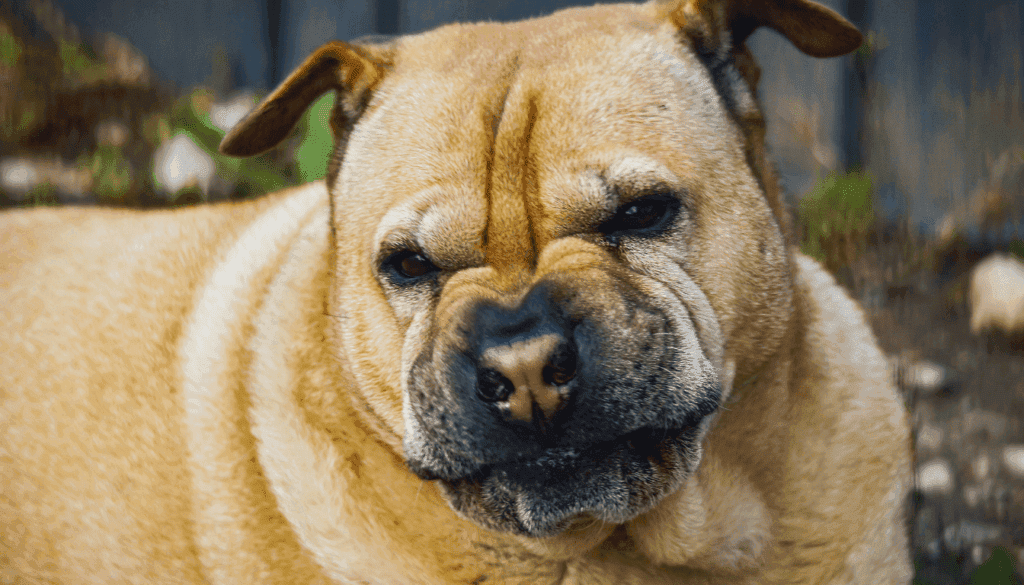
Ever heard a dog make a sound that combines a growl with a purr? It’s a curious noise that can throw you off at first.
This purr-like-growl might sound like a cat got mixed up somewhere. It often means a dog is enjoying something while still being a bit cautious. Imagine a dog getting a belly rub.
They love it, but they might still be on alert, thus the odd sound.
Dogs might use it when playing with a favorite toy or chewing on a bone. It’s almost like they’re saying, “I’m happy, but I’m keeping an eye on things.”
Sometimes, this growl can happen during playtime with other dogs. It’s a friendly noise, signaling they’re having fun yet still aware of what’s happening.
Not every dog makes this sound. It can depend on their personality and how much they trust their surroundings.
Paying attention to their body language can help you understand this noise better. If they’re loose and relaxed, they’re likely content.
9. The Reverse Sneeze
Ever heard a dog make a strange snorting noise? This is often called a reverse sneeze. It might catch you off guard, but it’s usually harmless. What happens is the dog quickly breathes in, which creates the snort-like sound.
Dogs might make this sound when they’re overexcited or feeling a bit tickled in their throats. Sometimes, even a whiff of dust can set it off.
Imagine them reacting to a sudden tickle, much like when you sneeze unexpectedly.
Most of the time, reverse sneezing doesn’t last long. Dogs usually go right back to normal breathing, as if nothing happened. Their sensitivity to little things in the air or sudden excitement can cause this funny noise.
You might feel the urge to help, but generally, they don’t need any intervention. Just let it pass, and they’ll likely be fine. If they seem distressed or if it happens a lot, a visit to the vet might offer some peace of mind.
10. The Bark-Chirp Combo
Dogs have a charming way of letting us know when they’re buzzing with excitement. One sound they make is a mix of barking and a high-pitched chirp.
This isn’t just any regular bark; it’s a special one that tells us they’re thrilled about something.
Imagine your dog is sitting by the door wagging its tail while waiting for you to pick up the leash.
Instead of just jumping up and down or barking normally, they might use this bark-chirp combo. It’s like they’re saying, “I’m excited and can’t wait for the adventure to begin!”
This particular sound is often heard when they’re eagerly anticipating something fun, like a walk or treat time. It’s full of energy and positive vibes.
Dogs use this to express their eagerness or to encourage playfulness. So, when you hear this sound, it’s time for action!
Dogs love to communicate in ways that are unique to them, and the bark-chirp is just one of the sweet sounds they use to connect with us. Always be ready for some fun whenever you hear it.
Understanding Canine Vocalizations
Dogs use various sounds to express their emotions and needs. Recognizing these vocalizations can help owners respond better to their pets.
The Basics of Dog Communication
Dogs communicate with humans and other animals through a variety of sounds. These include barking, whining, growling, howling, and whimpering.
Each sound has a specific meaning and can indicate different states, like happiness, fear, or alertness. For example, barking can be a sign of excitement or a way to alert their owner about something unusual.
Whining often shows anxiety or a desire for attention. Growling is typically a warning that a dog feels threatened and wants some space.
Understanding these basic sounds can help an owner meet a dog’s needs more effectively.
Why Dogs Produce Different Sounds
Dogs produce different sounds based on their emotions and the context of the situation. Environmental factors also play a role in their vocalizations.
A dog’s bark may change in pitch and frequency when faced with different situations, such as encountering a stranger or playing.
A howl can be a response to distant sounds, like sirens, or can be an expression of loneliness. Whimpering might occur during physical discomfort or when a dog is seeking comfort.
Recognizing these different sounds helps people understand a dog’s current mood and needs, promoting a better bond between humans and their canine companions.
Wrapping Up
Dogs make a variety of strange sounds, and each has its own meaning. These noises are a form of communication with their humans.
By learning what these sounds mean, people can better understand and connect with their pets.
In the blog, different sounds were explored, such as growls, howls, and whines. Some might mean a dog is scared, excited, or even in pain. Recognizing these signs can help address a dog’s needs effectively.
Being attentive to these sounds can improve the bond between humans and dogs. It can also help in solving problems like anxiety or distress in their furry friends.
Knowing what these sounds mean leads to happier pets.


