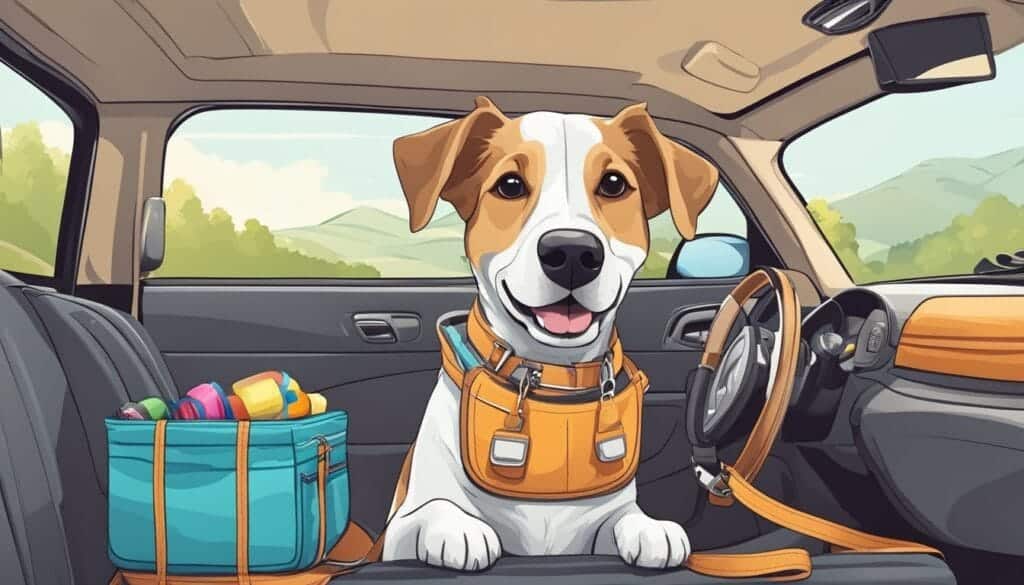
All products are independently selected by our editors. If you buy something via the links on our site, we may earn an affiliate commission at no extra cost to you. Learn More >
Traveling with your dog can be a fun and memorable experience for both of you. Proper planning and understanding your dog’s needs are key to a smooth trip. Choosing the right approach ensures that your journey is enjoyable and stress-free.
There are many factors to think about, from packing the right supplies to knowing the best travel practices.
Every trip is different, and your dog’s comfort should always come first. By focusing on these tips, you can help ensure a great adventure with your furry friend.
1. Pack a Cozy Blanket for Comfort
A cozy blanket can make all the difference when traveling with your dog. It gives them a sense of familiarity and comfort, especially in unfamiliar places. Picture this: after a long day of new adventures, your dog can rest on their favorite soft blanket, feeling safe and at home.
Blankets are not just for comfort though. They can also help control shedding and keep fur off car seats or hotel beds. Just pack a blanket your dog loves, and you’ll be doing yourself a favor too.
Pick a blanket that’s easy to clean. Travel can be messy, and you’ll want something you can toss in the wash without fuss. A lightweight, washable blanket is perfect for road trips and flights.
You might also notice that having a familiar blanket can help reduce your dog’s anxiety. Travel can be stressful for pets, and a comforting blanket can provide a sense of stability. Your dog will appreciate having something that smells like home.
So, don’t forget to pack that cozy blanket next time you hit the road with your furry friend. It’s a small addition to your travel gear, but it can make a big difference in keeping your dog happy and relaxed.
2. Use a Spill-Proof Water Bowl
Traveling with a dog means staying prepared for hydration needs. A spill-proof water bowl is a must. These bowls are designed to prevent spills, which keeps your car or hotel room clean.
Spill-proof bowls come in various sizes and designs. Choose one that suits your dog’s drinking habits. Some have lids, while others have special rims to stop water from sloshing out.
Imagine you’re driving and your dog needs a drink. A regular bowl could spill over with every turn. A spill-proof bowl, though, keeps water contained, making travel smoother and less messy.


These bowls are often compact and easy to carry. You can pack them without worrying about leaks. They are great for both short trips to the park and long road journeys.
Many spill-proof bowls are dishwasher safe, which makes cleaning a breeze. Keeping it clean ensures your dog always has fresh water.
Using a spill-proof water bowl is a simple way to manage your dog’s needs while on the go. It shows you’re ready for anything and helps keep your travels stress-free.
3. Bring Your Dog’s Favorite Toys
When traveling with your dog, it’s important to bring some of their favorite toys. Familiar items can help your dog feel more comfortable in new environments. You might include a squeaky toy, a chew toy, or a ball they love to chase.
Having their favorite toys can reduce anxiety. Playtime can keep your dog entertained during long drives or flights. It also gives them something familiar to hold on to, which can ease their nerves.
Toys can also be handy during stops. You and your dog can play together, giving them exercise and a break from traveling. It’s a simple way to keep them happy and relaxed.
Don’t forget to pack a couple of different toys for variety. Rotating toys can prevent boredom. Just be sure the toys are safe and in good condition.
Packing your dog’s cherished toys helps make the trip enjoyable for both of you. They can bring comfort and fun to your dog, wherever you go.
4. Invest in a Sturdy Pet Carrier
A sturdy pet carrier is essential for traveling with your dog. It ensures their safety and comfort during the journey. When choosing a carrier, look for one made of durable materials. This helps prevent any damage if the carrier is bumped or dropped.
Ventilation is key to keeping your dog comfortable. Make sure the carrier has plenty of air holes. This will help keep your dog cool and relaxed. Also, check that the carrier is the right size for your dog. They should be able to stand up and turn around inside it.
Safety features are important too. Look for carriers with secure locks and zippers. This keeps your dog from escaping. A carrier with a handle and a shoulder strap can make it easier to carry. Some carriers also come with wheels for added convenience.
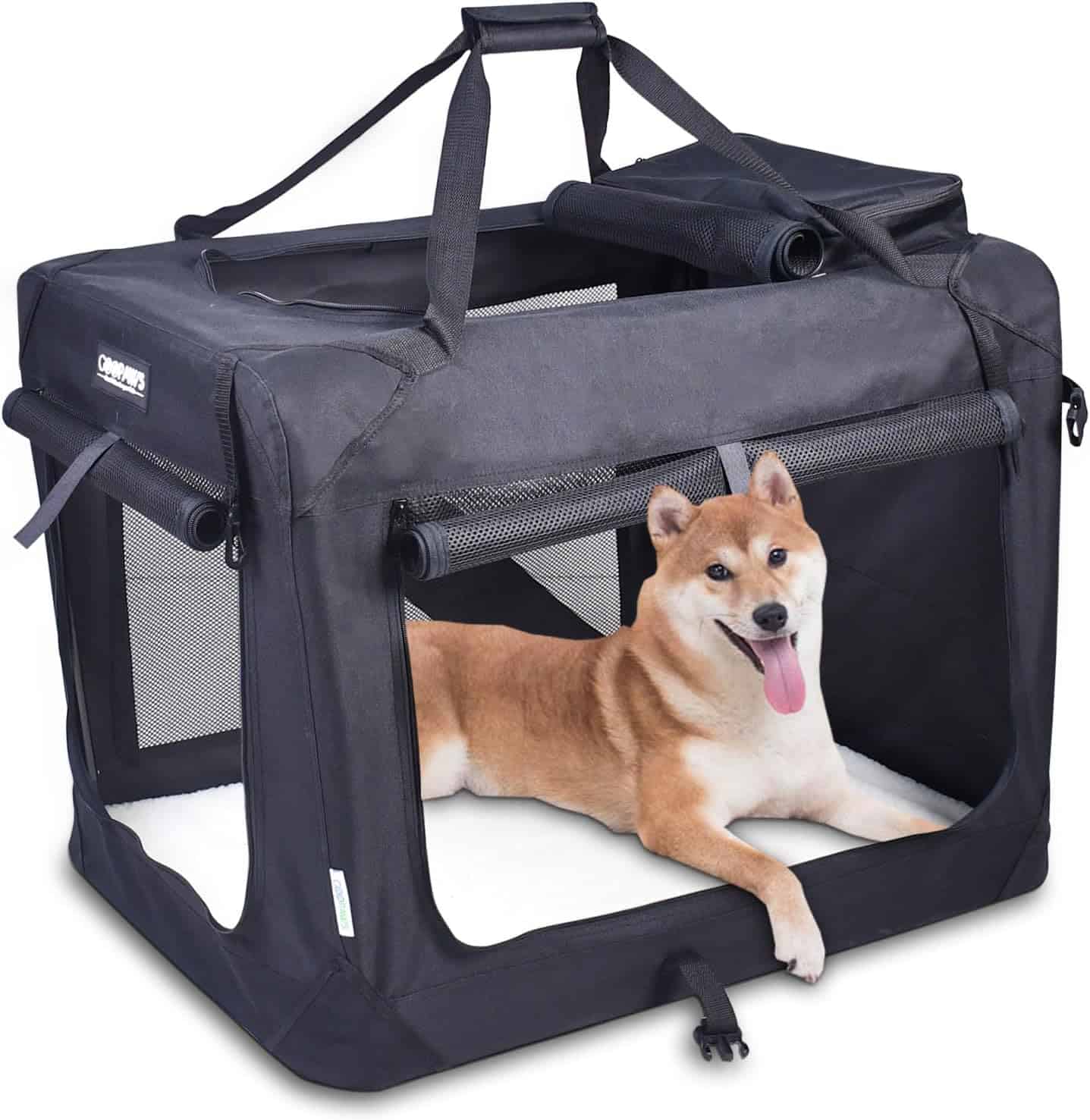
Consider the mode of transportation you will use. For car travel, a carrier that can be secured with a seatbelt is a good choice. For flights, check the airline’s requirements for pet carriers. Investing in a sturdy pet carrier can make your travel experience smoother and more enjoyable.
5. Plan for Regular Potty Breaks
Traveling with a dog means thinking about their bathroom needs. It helps to plan stops every few hours. This keeps both the dog and the humans comfortable.
Rest areas, gas stations, and parks are good places to stop. Make sure to look for safe spots where your dog can go potty. Always bring bags to clean up after them.
Many dogs have a routine, and sticking to that can make travel easier. If your dog usually goes out at certain times, try to plan your breaks around those times.
Sometimes, dogs can get anxious in new places and might not go right away. Be patient and give them a little extra time. A familiar toy or blanket can help them feel more comfortable.
Regular breaks aren’t just for potty needs; they give your dog a chance to stretch and move around. This helps keep them from getting too restless during the trip.
Remember, a little planning goes a long way in making sure your dog stays happy and healthy on the road. Frequent stops show you care about their needs, making the journey more enjoyable for everyone.
6. Research Pet-Friendly Accommodations
Finding a place to stay that’s welcoming to dogs can make your trip smoother. First, look for hotels or rentals that specify they allow pets. Websites often have filters for pet-friendly options. Use those to narrow down your search.
Call ahead to confirm their pet policy. Some places have size or breed restrictions. Ask about fees, as some accommodations charge extra for pets. Knowing this upfront helps avoid surprises.
Check online reviews from other pet owners. Their experiences can give you a better idea of what to expect. Look for comments about cleanliness, pet amenities, and the staff’s attitude toward animals.
Consider what your dog might need. Some hotels offer dog beds, bowls, or even special treats. If your dog needs a lot of exercise, look for places near parks or trails. This makes it easier to keep your pet happy and healthy.
Booking a pet-friendly spot can make your trip more enjoyable for both you and your dog. Plan ahead and consider all your options to find the best fit for your furry friend.
7. Carry A Portable First-Aid Kit
Traveling with your dog can be unpredictable. A portable first-aid kit can make a big difference if your dog gets hurt. It should include basics like bandages, antiseptic wipes, and tweezers.
He might get a splinter while hiking or a minor cut while playing. Having these supplies handy means you can quickly take care of minor injuries on the go.
In addition to bandages and antiseptic, don’t forget a pair of scissors and some gauze. They can help you manage wounds until you reach a vet if needed. Keeping these items organized in a small bag can make them easy to carry and access when necessary.
Pack a digital thermometer to check your dog’s temperature if he seems unwell. Pet-friendly pain relievers and any prescribed medication should also be included. This could help your dog stay comfortable if he’s in pain.
You might also want to pack a paw balm. It can soothe cracked paws after long walks on tough terrain. Remember, your first-aid kit should be easy to reach in case of emergencies.
8. Use A Harness Rather Than A Collar
Using a harness instead of a collar can make travel safer for your dog. Harnesses distribute pressure across the body, which prevents strain on the neck. This is especially important during car rides and walks.
A harness gives you better control over your dog. This can be handy in crowded places or unfamiliar areas. It also reduces the risk of your dog slipping out and getting lost.
Comfort is another key benefit. Many dogs find harnesses more comfortable because they don’t tug on the neck. Look for padded harnesses to ensure extra comfort.
Harnesses come in different styles, so you can find one that suits your dog’s size and breed. Adjustable harnesses provide a snug fit, reducing the chance of your dog escaping.
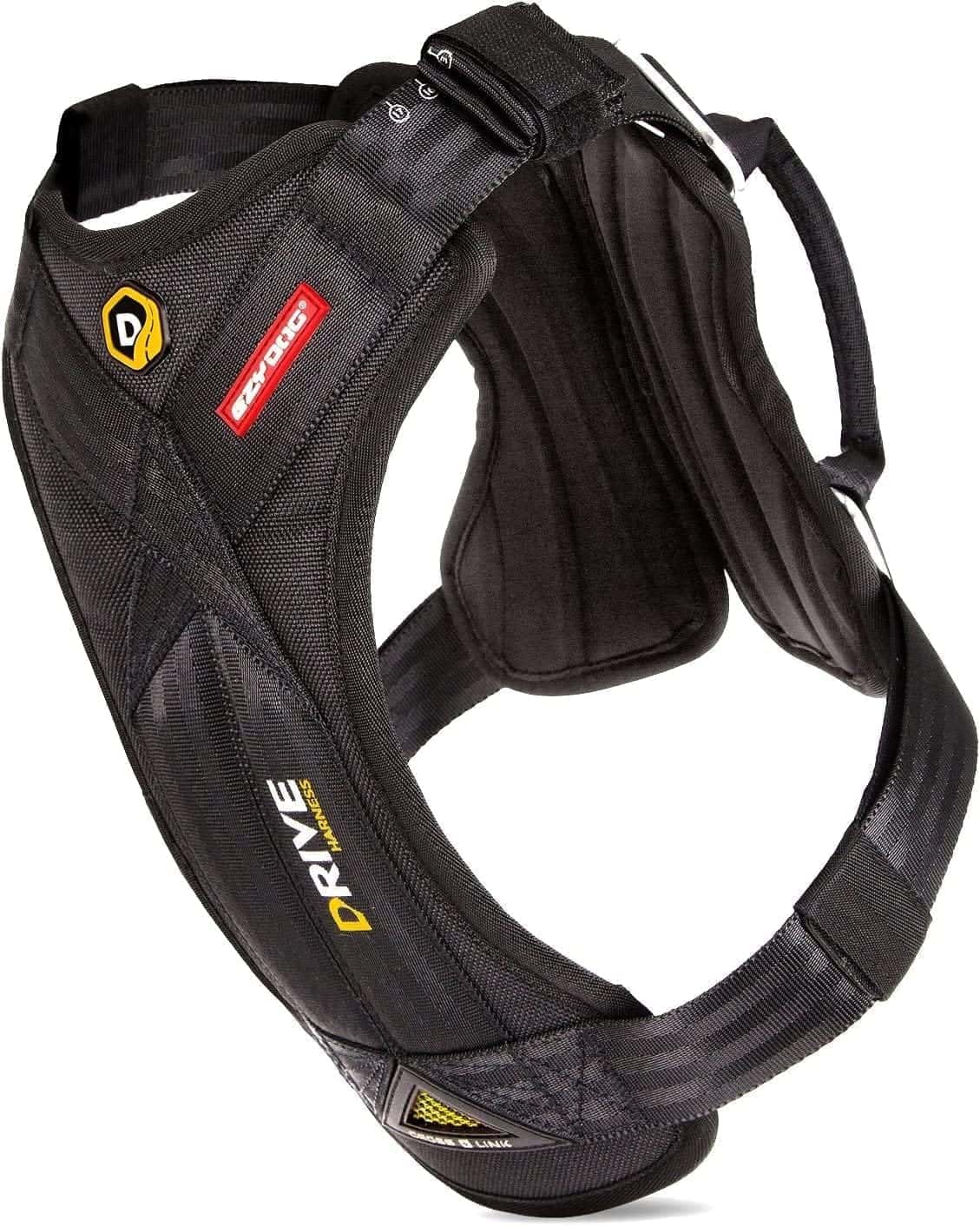
In some cases, local regulations may require a harness. It’s a good idea to check if your travel destination has such rules. This ensures you comply and keeps your pet safe.
While fitting a harness, make sure it’s not too tight. You should be able to fit two fingers between the harness and your dog’s body. If it’s too loose, it might slip off, and too tight could be uncomfortable.
9. Keep Your Dog on a Leash During Stops
When taking breaks during your journey, it’s important to keep your dog on a leash. Even if your dog is well-behaved, new places can be exciting and distracting.
A leash helps prevent your dog from wandering off or getting into dangerous situations. For instance, they might run toward traffic or other animals.
Using a leash also ensures that your dog stays close to you. This can help keep them calm and focused, making the stop less stressful for both of you.
Remember, even friendly dogs can get scared or react unpredictably in unfamiliar settings. A leash can provide added control and peace of mind.
Lastly, a leash shows consideration for other travelers. Not everyone is comfortable around dogs, and keeping your dog close can help others feel safe and at ease.
10. Update Your Pet’s ID Tags
Before you head out, check your dog’s ID tags. They should have current contact information. If you’ve moved or changed phone numbers, make sure to get new tags.
ID tags usually include your pet’s name and your phone number. Sometimes, they also list your address. This helps if your dog wanders off and someone finds them.
Many pet stores have machines to make new tags. Online retailers also offer customizable options. It’s quick, easy, and inexpensive to update.
Use durable materials like metal for the ID tags. This ensures they won’t break or wear out easily. Plastic might crack or fade over time.
Make sure the tags are securely attached to your dog’s collar. A strong, sturdy ring or clip works best. Regularly check them for any signs of wear or damage.
You might also consider adding a microchip to your dog. It’s a small, implanted chip with your contact information. Vets and shelters can scan it if the ID tags are lost.
Taking these steps ensures you can be reached easily if your dog gets lost while traveling. This peace of mind lets you enjoy your trip more, knowing your pet has a clear way back to you.
Health and Safety Preparations
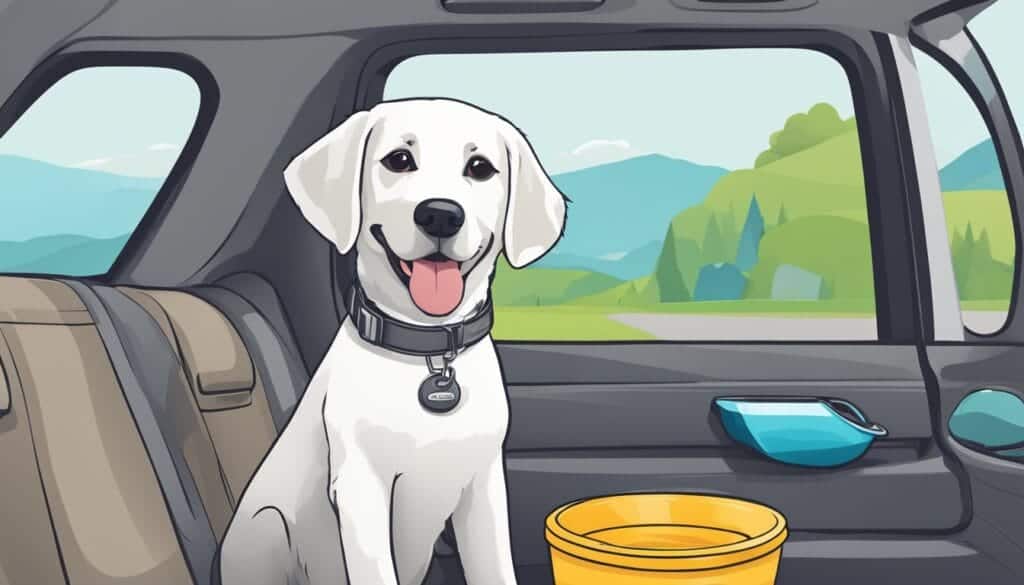
When planning a trip with your dog, it’s important to prioritize their health and safety.
Key steps include a thorough veterinary check-up and securing travel insurance for your pet.
Veterinary Check-up and Vaccinations
Before traveling, take your dog to the vet for a full check-up. Ensure they are up-to-date on vaccinations like rabies, distemper, and parvovirus. These shots protect your dog from common diseases they might encounter.
Discuss any specific health concerns with the vet. If your dog has a chronic condition, get advice on managing it while traveling.
Ask about medications, diet, and exercise routines that will keep your dog comfortable.
Some destinations require specific vaccinations or health certificates. Research these requirements and make sure you have all necessary documents.
This will prevent any issues when crossing borders or checking into accommodations.
Travel Insurance for Pets
Pet travel insurance can cover unexpected vet bills, cancellations, or trip interruptions. Look for a plan that covers accidents, illnesses, and emergency vet visits.
Read the policy details carefully. Some plans exclude pre-existing conditions or have waiting periods. Compare different providers to find the best coverage for your dog’s needs.
Keep all insurance documents handy during your trip. If something happens, you will need quick access to policy numbers and contact information.
Investing in good insurance brings peace of mind, ensuring you can focus on enjoying your trip with your furry friend.
Choosing Pet-Friendly Accommodations
Selecting the right place to stay involves considering the policies and amenities specifically offered to pet owners. The focus is on finding spots where your dog feels as comfortable as you do.
Researching Hotels and Rentals
When looking for a place to stay, start with online search tools that filter pet-friendly options. Look for major hotel chains known for pet friendliness such as La Quinta, Kimpton Hotels, and Red Roof Inn.
Check pet policies on their websites and read guest reviews for real experiences.
It’s also crucial to verify the fees involved. Some places charge a nightly pet fee, while others require a deposit.
Make sure to note weight limits or breed restrictions that could affect your plans.
Consider staying at vacation rentals. Websites like Airbnb and Vrbo let you filter for pet-friendly houses and apartments.
This can provide more space for you and your dog compared to a hotel room.
Booking Pet-friendly Amenities
Before finalizing your booking, confirm what pet amenities are offered. Some hotels provide dog beds, bowls, and even treats.
Others may have dog-walking areas or pet relief stations.
Ask if there are nearby parks or walking trails. Knowing this can make daily exercise easier and more enjoyable for both you and your dog.
Make sure to inquire about any pet-sitting or daycare services. This can be helpful if you plan activities where your pet isn’t allowed.
Carry essentials like a favorite toy or blanket to make your dog feel at home.
Having a comfortable and familiar item can help reduce any anxiety they might feel in a new environment.
Transportation Tips
Traveling with your dog requires careful planning, especially when it comes to transportation.
Whether you’re flying or driving, you need to take specific measures to keep your pet safe and comfortable.
Air Travel Considerations
When flying, it’s important to check the airline’s pet policy. Always book a direct flight to minimize the time your dog spends in transit.
Make sure your pet’s carrier meets the airline’s size and ventilation requirements. Your dog must also be comfortable in its carrier, with enough space to stand and turn around.
Before the trip, take your dog to the vet for a health certificate. This document is usually required when traveling by air.
Bring along your pet’s favorite toy or blanket to provide comfort during the flight.
Additionally, avoid feeding your dog a large meal right before flying to help prevent an upset stomach.
Car and Road Trip Safety
For car travel, secure your dog using a seatbelt harness or a travel crate. This keeps them safe in case of sudden stops or accidents.
Make frequent stops to let your dog stretch, drink water, and relieve itself. Never leave your dog alone in a parked car, especially in hot weather, as temperatures can quickly become dangerous.
Plan for plenty of breaks during long trips. Keep water and snacks on hand, and make sure your dog has access to fresh air.
A few favorite toys can help keep your pet entertained and reduce travel anxiety. If your dog tends to get car sick, ask your vet for advice or medication to make the journey more pleasant.
Wrapping Up
Traveling with your dog can be a fantastic adventure with the right preparation. Ensuring your pet’s comfort and safety transforms the journey into a more enjoyable experience for both owner and pet.
Always remember to pack essential items such as food, water, and toys.
Research dog-friendly places to stay and plan for breaks during long trips. This will help make the travel smoother and more comfortable for your furry companion. Keeping up with vaccinations and carrying medical records is also important.
Ultimately, patience and planning are key to a successful trip with your dog. Happy travels!