

All products are independently selected by our editors. If you buy something via the links on our site, we may earn an affiliate commission at no extra cost to you. Learn More >
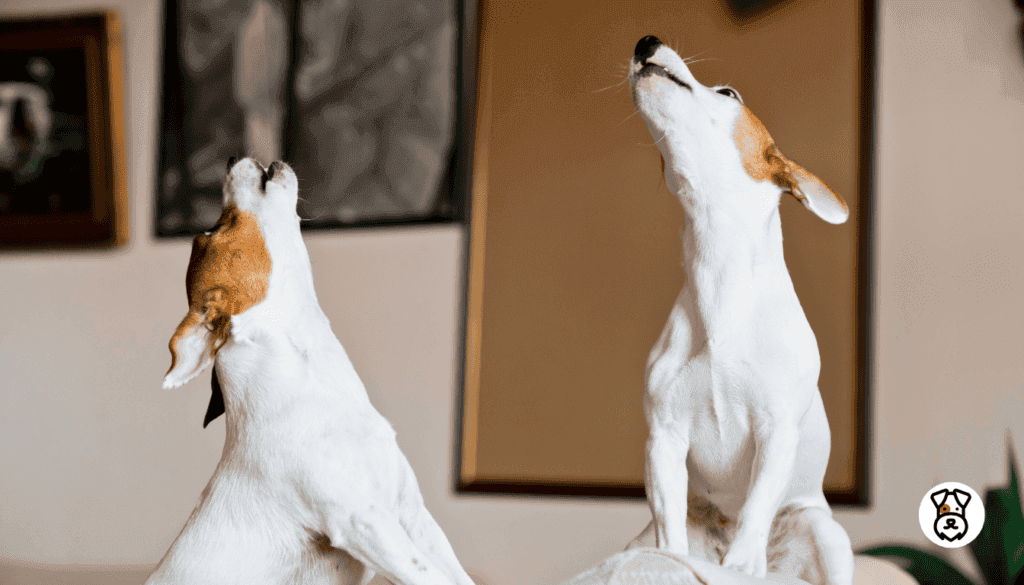
As a seasoned dog trainer, one of the most common issues I get asked about is why dogs howl when left alone. It’s a behavior that can drive pet owners crazy, especially if you live in an apartment or have close neighbors.
The truth is, howling when left alone is a perfectly normal dog behavior. It’s how our furry friends communicate their feelings and needs.
However, excessive howling can signify underlying problems like separation anxiety, boredom, or even an injury.
In this post, I’ll break down the various reasons why your dog might be howling when you leave the house, and provide practical tips to help stop this behavior.
Whether you’re a new dog parent or an experienced owner, you’ll find the information you need to better understand and care for your canine companion.
4 Reasons Why Dogs Howl When Left Alone
One of the primary reasons dogs howl when left alone is separation anxiety. This is a common condition where dogs experience excessive distress when separated from their owners or family members; dogs with separation anxiety often show this behavior.
Separation anxiety in dogs can manifest in various ways – howling, barking, pacing, chewing, digging, or even attempting to escape. Recognizing these symptoms can help you train your dog effectively.
1. Separation Anxiety
Separation anxiety is more than just a little whining when you leave the house. It’s a panic response that can be incredibly stressful for your dog.
Common signs include drooling, panting, loss of appetite, and accidents in the house, even for housetrained pups. Being left alone triggers their anxiety, and howling is their way of expressing distress and attempting to get your attention.
2. Breed Tendencies
Some breeds are simply more vocal than others by nature. Hounds like beagles, basset hounds, and bloodhounds were bred to use their legendary howls to communicate over long distances while hunting.
So it’s no surprise these pups tend to be a bit more melodious when left to their own devices. Their howling behavior has evolutionary roots as a form of long-distance communication, similar to how a siren alerts us to emergencies.
3. Attention-Seeking
For some dogs, howling is an attention-seeking behavior, plain and simple. They learn that making noise gets a reaction from their owners, even if that reaction is just you yelling at them to be quiet; this is why you need to train your dog not to bark or howl for attention.
Essentially, the dog is howling to get you to pay attention to them or give them what they want, like treats or playtime. If you reward the behavior by giving them what they’re after, you reinforce it.
4. Boredom or Loneliness
Dogs are highly social pack animals that crave companionship. When left alone for long periods with nothing to do, some dogs may start howling out of boredom, loneliness, or both.
The howling can become a self-rewarding behavior if they continue doing it without anything stopping them. Providing mentally stimulating toys and activities can help alleviate boredom-induced howling fits.
How To Stop Your Dog from Howling When You Leave
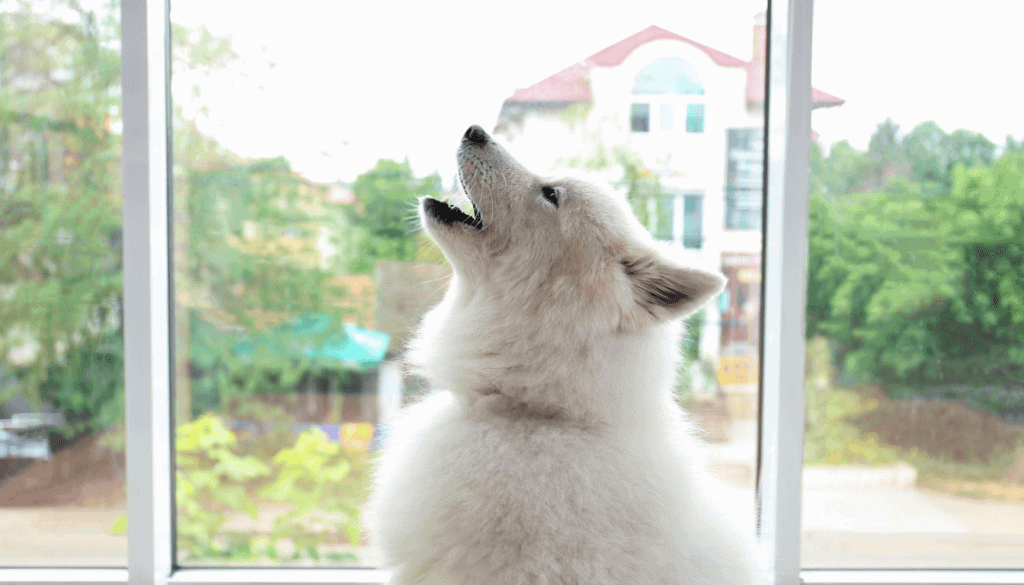
Now that we’ve covered the reasons behind this annoying but natural behavior, let’s dive into some solutions to stop your dog from howling.
Don’t worry. With patience and consistency, you can teach your furry friend that being home alone doesn’t have to be a howl-inducing experience.
Training and Desensitization
One of the most effective ways to curb howling is through proper training and gradual desensitization. Crate training, for example, can help your pup feel secure and calm when left alone.
Start by having them spend short periods in the crate while you’re home, offering treats and praise. Slowly increase the time until they’re comfortable being crated while you’re away.
It’s also important to make your departures and returns calm, quiet affairs. Don’t make a big fuss about leaving or coming home – that emotional roller coaster can amp up anxiety levels.
A simple “I’ll be back” and treating your return like no big deal can work wonders.
Environmental Enrichment
A bored dog is a destructive dog, as the saying goes. Providing plenty of mentally stimulating toys and activities can help your dog feel engaged and prevent your pup from howling due to loneliness or boredom.
Puzzle feeders, stuffed Kongs, and food-dispensing toys are great options to keep their minds engaged.
You can even leave the TV or calming music on to provide extra stimulation and drown out startling outdoor noises that might trigger howling fits.
Just be sure to provide appropriate chew toys — you don’t want to come home to your couch in tatters! Give your dog something more constructive to focus on.
Addressing Separation Anxiety
If your dog’s howling seems rooted in severe separation anxiety, don’t hesitate to seek professional help. A veterinarian or certified animal behaviorist can properly diagnose the issue and recommend techniques or medications to ease their distress.
That said, there are some things you can try at home first. Increasing exercise and sticking to a predictable routine can provide comfort and relieve underlying anxiety.
Calming pheromones or melatonin supplements may also help take the edge off in mild cases.


Remember, addressing separation anxiety takes time and patience. With the right approach and some expert guidance when needed, that heart-wrenching howling can become a thing of the past.
Trust me, your neighbors will thank you!
Wrapping Up
As we’ve discussed, howling when left alone is a natural canine behavior with various root causes – separation anxiety, breed tendencies, boredom, or simply seeking attention.
While it can be frustrating for owners, it’s important to approach the issue with patience and understanding.
The key is identifying the specific trigger for your dog’s howling fits and addressing it accordingly through proper training, environmental enrichment, or professional assistance in severe anxiety cases.
With time and consistency, you can help your furry friend feel calm and secure when home alone.
So don’t get discouraged if the howling doesn’t stop overnight, as teaching your dog new habits takes time. Stay the course, and remember, a well-adjusted, quiet pup makes for happy humans and even happier neighbors.
Your dedication will pay off in the form of a more peaceful household for all.


