All products are independently selected by our editors. If you buy something via the links on our site, we may earn an affiliate commission at no extra cost to you. Learn More >
Have you ever wondered why your dog seems to instantly bond with some folks while giving others a wide berth? It’s not just a matter of your canine companion being picky.
There’s actually quite a bit of complexity behind their social choices.
While it’s true that the person with the treats often gets a warm reception, that’s not the whole story. Dogs are remarkably discerning when it comes to choosing their human buddies.
They’re constantly evaluating people using a variety of cues, from subtle body language to scent recognition.
Your four-legged pal is essentially running everyone through their own personal vetting process to determine who’s deserving of their affection and attention.
1. Recognizes Gentle Body Language
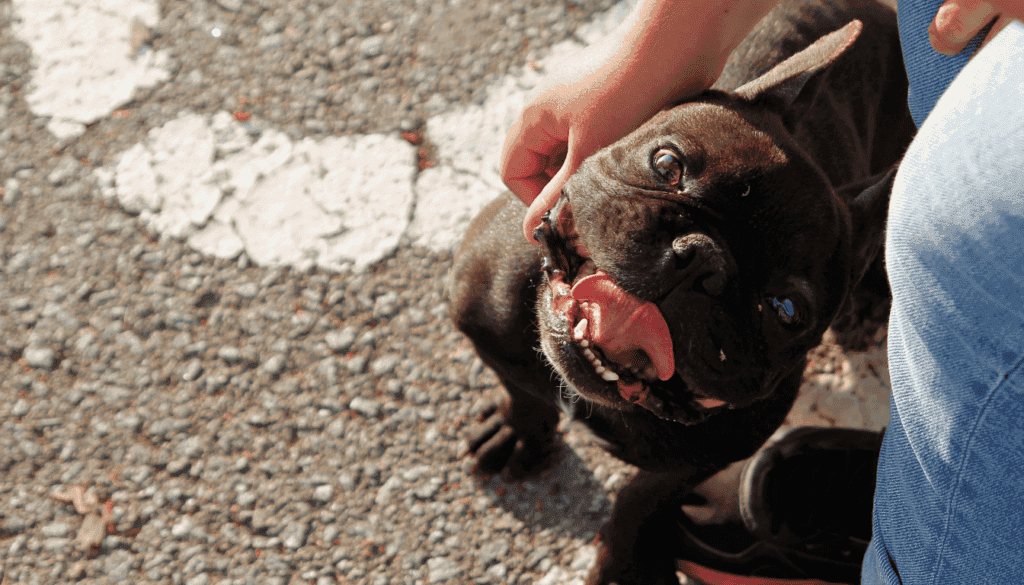
Dogs are experts at reading human body language. They pay close attention to how people move and carry themselves.
A person with gentle, non-threatening body language is more likely to win a dog’s trust and affection.
Slow, smooth movements tend to put dogs at ease. Quick or jerky motions can make them feel nervous or on edge.
People who approach dogs calmly and avoid looming over them often get a warmer reception.
Eye contact also plays a big role. Dogs prefer people who don’t stare them down aggressively. Soft, indirect eye contact feels safer to them. A person who frequently glances away or blinks slowly appears less threatening.
Posture matters too. Someone who stands tall with squared shoulders might seem intimidating to a dog. A relaxed stance with slightly curved shoulders comes across as friendlier.
2. Responds to Calm Voices
Dogs are naturally drawn to people with soothing voices. A calm, gentle tone can make a canine feel safe and at ease.
This is especially true for anxious or shy dogs.
People who speak softly and slowly tend to attract more positive attention from dogs. These individuals come across as non-threatening, which appeals to a dog’s instincts.
Dogs can pick up on subtle changes in vocal pitch and volume. They often prefer those who maintain a steady, relaxed way of speaking.
This consistency helps dogs feel more comfortable around certain people.
Owners who use calm voices during training tend to have more obedient pets. The dogs associate the pleasant tone with positive experiences and rewards. This makes them more likely to respond well to commands.
Even unfamiliar people can quickly win a dog’s trust by speaking calmly. This approach allows the dog to relax and warm up to new individuals more easily.
It’s a simple yet effective way to become a dog’s preferred human companion.

3. Attracted to Pleasant Scents
Dogs have a powerful sense of smell. They can pick up on scents humans can’t even detect. This keen ability plays a big role in how they choose their favorite people.
Some people naturally smell good to dogs. These pleasant scents might come from perfumes, lotions, or even foods someone has eaten. Dogs often gravitate towards these appealing aromas.
Pheromones also affect a dog’s preferences. These are natural chemical signals that humans produce. Dogs can smell these signals, which may make them feel drawn to certain individuals.
A person’s unique body odor can attract dogs too. Each person has their own scent, influenced by diet, health, and genetics. Some dogs simply prefer certain human scents over others.
Familiar smells are comforting to dogs. They may favor people who smell like their home or other dogs they know. This explains why dogs often bond quickly with family members.
4. Prefers Positive Energy
Dogs are sensitive to human emotions and energy. They often gravitate towards people who exude positive vibes.
Happy, upbeat individuals tend to attract canine attention more than those with negative attitudes.
A person’s body language plays a big role in how dogs perceive them. Relaxed postures, smiling faces, and gentle movements signal friendliness to dogs.
They feel more comfortable approaching someone who appears calm and welcoming.
The tone of voice also matters to dogs. They respond better to higher-pitched, cheerful voices compared to harsh or angry tones.
People who speak to dogs in a warm, enthusiastic manner are more likely to win their affection.
Dogs can pick up on stress and anxiety in humans. They may avoid people who seem tense or upset. Instead, they’re drawn to those who radiate calmness and confidence.
Positive reinforcement is key in building strong bonds with dogs. People who use praise, treats, and affection to reward good behavior are often favorites among canines.
This creates positive associations that make dogs want to spend more time with certain individuals.

5. Senses Emotional Stability
Dogs have a keen ability to pick up on human emotions. They can sense when a person is calm, anxious, or stressed.
This sensitivity often leads them to prefer people who are emotionally stable.
A dog may gravitate towards someone who remains calm in various situations. This person’s steady demeanor provides a sense of security for the dog.
On the other hand, individuals who are frequently anxious or angry might make a dog feel uneasy.
Dogs also respond well to consistent behavior. A person who reacts predictably to different situations is more likely to gain a dog’s trust. This consistency helps the dog feel safe and understood.
Some dogs may even try to comfort people who are upset. They might lean against them or offer a paw.
This behavior shows their ability to recognize and respond to human emotions.
6. Connects with Relaxed Posture
Dogs are keen observers of body language. They often prefer people who display relaxed, open postures.
A person sitting calmly with uncrossed arms and legs can appear more inviting to a dog.
Tense or rigid body language may make a dog feel uneasy. Someone who stands stiffly with arms crossed might seem less approachable to a canine.
Dogs tend to gravitate towards individuals who appear at ease in their surroundings.
Facial expressions play a role too. A relaxed, smiling face is more likely to attract a dog than a frowning or serious expression. Dogs can pick up on subtle cues in human faces and body positioning.
People who move slowly and deliberately may also be favored by dogs. Quick, jerky movements can startle or intimidate some dogs.
A person with smooth, calm motions often seems more trustworthy to canines.
7. Likes Consistent Behavior
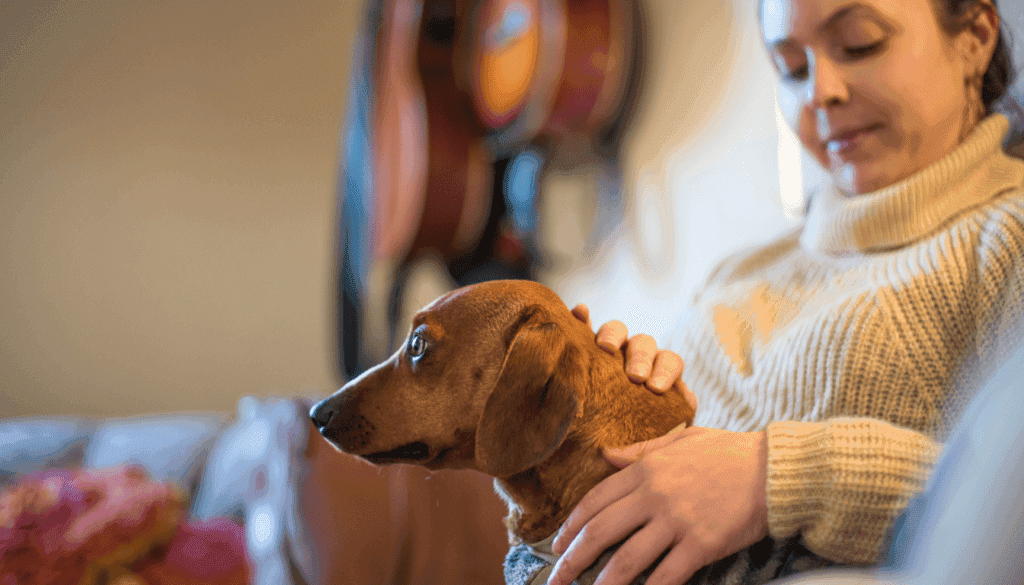
Dogs appreciate predictability in their human companions. They feel more at ease with people who maintain consistent routines and reactions.
This includes regular feeding times, walks, and playtime.
Consistent behavior also extends to emotional responses. Dogs may prefer individuals who remain calm and composed, rather than those who are unpredictable or prone to sudden mood swings.
People who use consistent commands and gestures when interacting with dogs often gain their favor.
This clarity in communication helps dogs understand expectations and feel secure in their environment.
Consistency in enforcing rules is equally important. Dogs thrive when they know what behaviors are acceptable and which are not. This clear structure helps them feel safe and builds trust with their human companions.
Individuals who provide a stable, predictable environment are likely to become a dog’s preferred companion.
This consistency allows the dog to relax and form a strong bond with the person.
8. Prefers Affectionate Touch
Dogs often gravitate towards people who provide gentle, affectionate touch. This can include petting, scratching behind the ears, or belly rubs.
These physical interactions release feel-good hormones in dogs, creating positive associations with the person giving them.
Some dogs enjoy cuddling and sitting close to their favorite humans. They may lean against a person’s leg or rest their head on their lap.
This type of contact helps dogs feel secure and strengthens their bond with that individual.
Not all dogs like the same types of touch. Some prefer light strokes, while others enjoy firmer petting.
People who learn a dog’s preferences and respect their boundaries often become favorites. Dogs may seek out those who know just the right spot to scratch or pet.
Regular grooming can also lead to a dog favoring certain people. Gentle brushing or combing can be a soothing experience for many dogs.
They may form strong attachments to those who provide this care consistently.

9. Drawn to Familiar Faces
Dogs often feel more comfortable around people they see regularly. This familiarity can lead to a stronger bond and preference for certain individuals.
Frequent interactions help dogs build positive associations with specific people. They learn to connect these familiar faces with good experiences like treats, walks, or playtime.
Dogs have excellent facial recognition skills. They can remember human faces for long periods, even after brief encounters. This ability helps them quickly identify friends and potential threats.
Consistency in appearance also plays a role. Dogs may be more drawn to people who maintain a similar look over time. Changes in hairstyle or facial hair can sometimes confuse them.
Regular visitors to a dog’s home often become part of their “pack.” This sense of belonging makes dogs feel safe and comfortable around these familiar faces.
They may show excitement or seek attention from these trusted individuals.
10. Enjoys Playful Interactions
Dogs often gravitate towards people who engage them in fun activities. These playful interactions create positive associations and strengthen the bond between dogs and humans.
People who initiate games like fetch, tug-of-war, or hide-and-seek tend to become favorites. Dogs remember these enjoyable experiences and look forward to more playtime with these individuals.
Active play also provides mental and physical stimulation for dogs. It helps them burn energy and stay mentally sharp.
This can make them feel more relaxed and content around playful people.
Some dogs have specific play preferences. For example, a dog might prefer someone who throws balls far for fetching. Another may favor a person who engages in gentle wrestling matches.
Consistency in playtime can also impact a dog’s preferences. If someone regularly plays with the dog, it can lead to a stronger connection over time.
The dog learns to associate that person with fun and excitement.
11. Instinctively Trusts Kindness
Dogs have a natural ability to sense kindness in people. This instinct helps them form quick bonds with gentle individuals. They often gravitate towards those who show patience and compassion.
A person’s body language plays a big role in how dogs perceive them. Soft voices, slow movements, and relaxed postures signal safety to canines.
These cues make dogs feel at ease and more likely to approach.
Positive interactions also build trust over time. People who offer treats, gentle pets, or playtime create good associations for dogs. These experiences make dogs more inclined to seek out that person in the future.
Dogs may shy away from loud or aggressive individuals. Harsh tones or sudden movements can trigger a fear response.
This explains why some dogs prefer calmer, gentler people.
Consistency in kind behavior matters too. Dogs remember how people treat them. Those who are consistently gentle and patient earn a special place in a dog’s heart.

12. Responds to Genuine Laughter
Dogs have a keen sense for human emotions and can pick up on the subtle cues of genuine laughter.
They often gravitate towards people who laugh freely and naturally. This attraction stems from the positive energy that laughter creates.
When someone laughs genuinely, their body language changes. They may lean forward, open their posture, or make eye contact.
Dogs notice these shifts and interpret them as friendly signals.
The sound of laughter itself can be appealing to dogs, especially if it’s accompanied by a warm tone of voice.
People who laugh easily may also be more likely to engage in playful behavior with dogs. This creates positive associations for the dog, making them more inclined to seek out that person’s company.
Dogs remember these enjoyable interactions and look forward to repeating them.
Laughter can also indicate a relaxed state, which dogs find comforting. They tend to prefer being around people who are at ease, as it makes them feel safe and secure.
Genuine laughter signals that a person is not a threat, encouraging dogs to approach and interact with them.
Wrapping Up
Dogs are complex creatures with unique preferences. Their affinity for certain people stems from various factors.
Early socialization plays a key role in shaping these bonds. Positive experiences and consistent interactions help build trust.
Scent, body language, and tone of voice also influence a dog’s feelings. Some pups may gravitate towards calm individuals, while others enjoy high-energy folks.
Treats and playtime can definitely win a dog’s heart too.
It’s important to remember that each dog is different. What works for one may not work for another.
Building a strong relationship with a dog takes time, patience, and understanding.
By paying attention to their cues and needs, anyone can become a favorite human in a dog’s eyes.