All products are independently selected by our editors. If you buy something via the links on our site, we may earn an affiliate commission at no extra cost to you. Learn More >
You step outside, coffee in hand, and there it is. A fresh hole in the yard. And somehow, it’s in the exact spot you fixed yesterday.
If your dog has ever turned your lawn into a patchwork of craters, you’ll know how quickly this goes from mildly annoying to properly frustrating.
But here’s the part most people don’t realize. Dogs don’t dig to be difficult. They dig because something about it feels rewarding.
So if you want to stop your dog from digging, the goal isn’t just to block the behavior. It’s to make the wrong spots less appealing while giving your dog a better outlet.
That’s where the right dog digging repellent actually earns its place.
If you want to stop your dog’s digging behavior, keep on reading, I have some solutions that actually work.
Why Dogs Dig (And Why It Matters Before You Buy Anything)
Before you reach for a digging repellent for dogs, take a minute to look at what’s driving the behavior.
Because this is where most owners go wrong.
Dogs dig for a handful of very predictable reasons. Boredom is a big one. A dog with excess energy and nothing to do will often start digging just to create stimulation.
Then there’s scent. If your dog catches something under the soil, grubs, insects, even old smells, they can become completely fixated. I’ve seen dogs ignore everything, including strong deterrents, once they lock onto that.
Heat plays a role too. Digging into cooler soil is a natural way for dogs to regulate temperature.
And then there’s habit. Once digging pays off even once, dogs tend to repeat it. That’s how you end up with repeated digging holes in the same area.
This is why a dog repellent alone rarely fixes the problem. It can help deter your dog from digging in certain spots, but if the underlying reason is still there, they’ll just move somewhere else.
7 of the Best Dog Digging Repellents for 2026
If you’re trying to figure out how to keep dogs from digging without turning your yard into a full-time project, these are the options that consistently come up from both testing and real dog owner feedback.
| Product | Type | Key Ingredients | Rain Resistant | Best For | Price |
|---|---|---|---|---|---|
| Zone Protects No Holes | Spray | Garlic, peppermint, cinnamon | Yes | Large yards | $$ |
| Colton’s Naturals | Spray | Citronella, cinnamon | Moderate | Indoor/outdoor | $ |
| Messina Dog & Cat Stopper | Spray | Geraniol, castor oil | Yes | Garden beds | $$ |
| I Must Garden Repellent | Granular | Botanical oils | Yes | Lawns, beds | $$ |
| Dog Scram | Granular | Natural formula | Moderate | Training use | $ |
| Cayenne Pepper Powder | DIY | Capsaicin | No | Budget option | $ |
| Sanwuta Prickle Strips | Physical | Plastic spikes | Yes | Barrier areas | $ |
Zone Protects No Holes Digging Dog Prevention Spray

This is one of the more reliable options when you’re dealing with repeated digging along a fence or across a larger yard.
What stands out here is the strength of the scent profile. It’s not subtle, and that’s the point. Most dogs react to it quickly, especially on the first couple of applications.
From speaking to owners, this tends to work best when the digging is more habitual than prey-driven. If a dog is digging out of routine or curiosity, this often breaks the cycle. If they’re chasing something underground, you may need to pair it with another deterrent.
What I Love
- Strong scent that most dogs respond to quickly.
- Covers large areas effectively.
- Lasts longer than many standard sprays.
- Useful for keeping dogs away from fence lines.
Take Note
- Initial smell is noticeable to humans.
- Some dogs will push through if highly motivated.
- Works best when reapplied consistently early on.
Colton’s Naturals Dog Repellent Spray
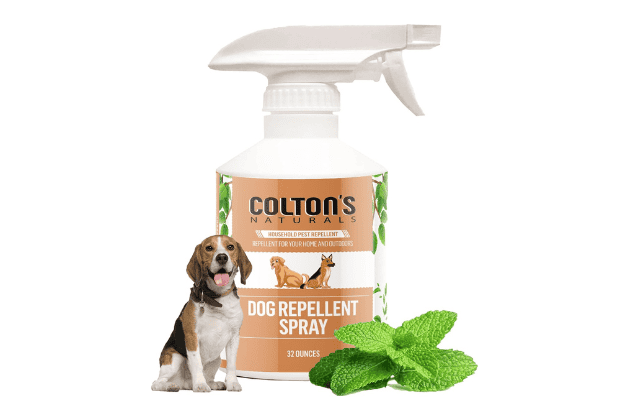
This feels more like a lighter, flexible option rather than a heavy-duty solution.
It’s often used by owners who are just starting to deal with unwanted digging or who want something safe for indoor use as well. I’ve seen it used around planters and entryways where stronger formulas would be overkill.
It’s not the strongest deterrent on this list, but that’s also why people like it.
What I Love
- Easy to use indoors and outdoors.
- Gentler scent profile for daily use.
- Good for mild digging issues.
- Safe around family environments.
Take Note
- Needs regular reapplication.
- Less effective for stubborn dogs.
- Smaller bottle limits long-term use.
Messina Wildlife Dog & Cat Stopper
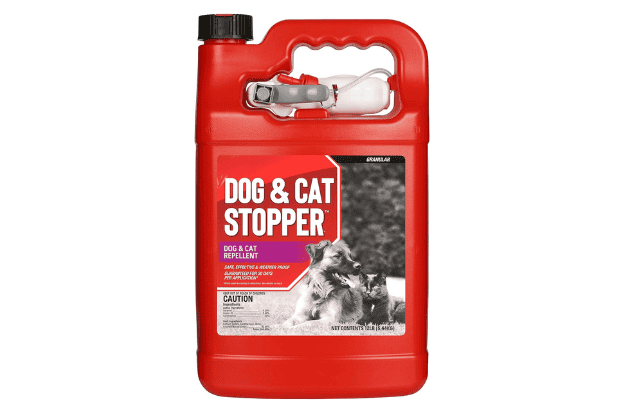
This one works a bit differently, and that’s where it gets interesting.
Instead of relying only on scent, it creates a sensory barrier. Dogs notice it when they sniff, but also when they interact with the soil. That layered approach tends to make it more effective in repeat digging spots.
I’ve seen this used successfully in garden beds where dogs kept returning to the same area.
What I Love
- Multi-layered deterrent, not just smell.
- Holds up well in different weather conditions.
- Doesn’t leave visible residue.
- Suitable for use around edible plants when used properly.
Take Note
- Coverage is more limited per bottle.
- Needs careful application near delicate plants.
- May require multiple uses in high-traffic areas.
I Must Garden Dog & Cat Repellent
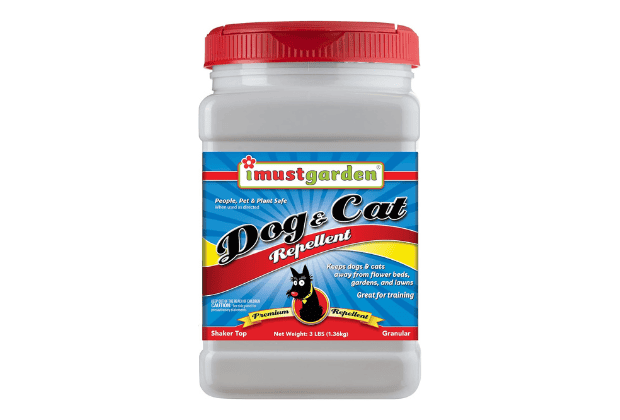
If your issue is widespread digging across a yard or garden, granular products like this are often the easier option.
Instead of chasing individual spots, you’re creating a general area that dogs learn to avoid.
From experience, this works best when you apply it consistently for the first couple of weeks. That’s what helps break the pattern of digging up the yard.
What I Love
- Easy to apply across larger areas.
- Broad mix of natural deterrent scents.
- No harsh chemicals.
- Works well for ongoing yard protection.
Take Note
- Not suitable for vertical surfaces like fences.
- Needs repeat application to stay effective.
- Takes time to shift established behavior.
Dog Scram All Natural Granular Repellent
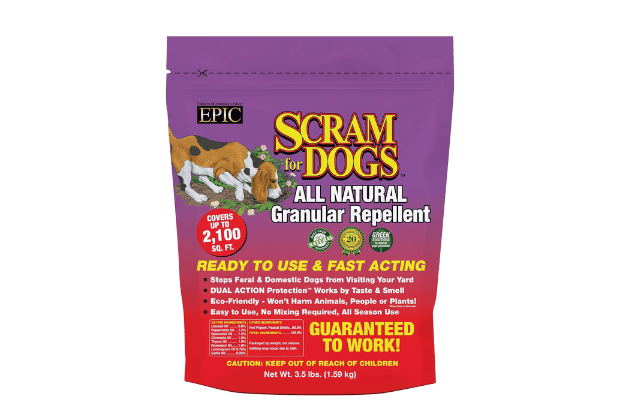
This is often positioned as both a repellent and a training aid, and that’s actually how it works best to keep your dog from digging.
It helps define “off-limits” areas in a way dogs can learn over time. I’ve seen it work well for dogs that keep digging in specific zones, especially when paired with redirecting them elsewhere.
It’s not instant, but it can be effective.
What I Love
- Designed specifically to deter dogs.
- Supports behavior change over time.
- Easy to apply where needed.
- Natural formulation.
Take Note
- Results vary depending on the dog.
- Requires consistent use.
- Less durable in heavy rain.
Cayenne Pepper Powder (DIY Option)
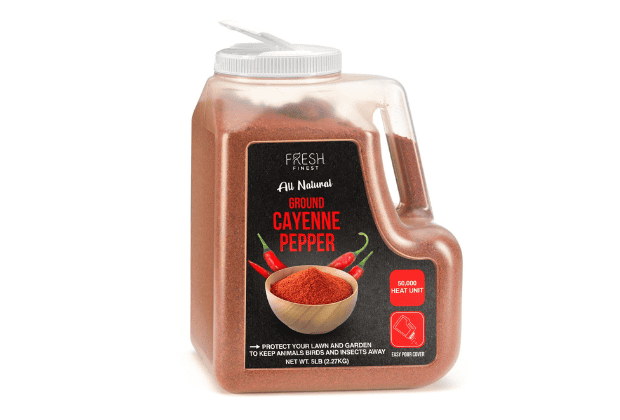
This is the classic DIY dog repellent, and it does come up a lot.
Yes, cayenne pepper can repel your dog. The strong smell and irritation can make dogs avoid the area.
But this is also where I’d urge caution.
I’ve seen dogs get a nose full of it while digging, and that’s not a great experience. It can irritate eyes and airways, especially if used too heavily.
Used lightly and carefully, it can help. But it’s not my first choice.
What I Love
- Very low cost and easy to find.
- Quick to test as a DIY option.
- No synthetic chemicals.
- Can work short term.
Take Note
- Needs frequent reapplication.
- Can irritate your dog’s nose and eyes.
- Dogs may adapt quickly.
- Not ideal as a long-term solution.
Sanwuta Outdoor Dog Deterrent Mat with Spikes
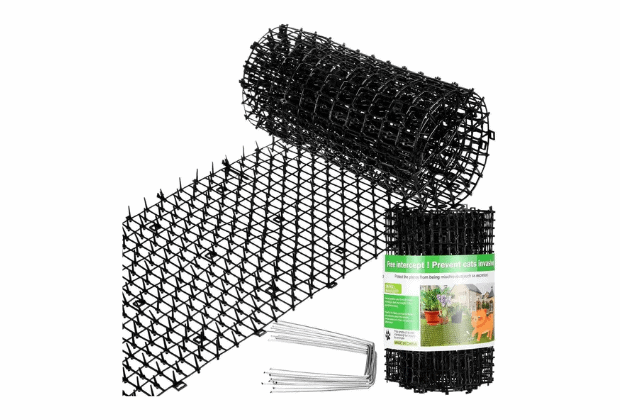
This is where we move away from scent entirely.
Instead of trying to repel your dog, you’re changing the surface so digging simply isn’t appealing anymore.
From what I’ve seen, this is one of the most reliable options for specific problem areas. If your dog keeps digging along a fence or in one corner of the yard, this can stop it almost immediately.
Used properly, this is a safe and humane way to deter dogs without relying on scent at all.
What I Love
- Works instantly when placed correctly.
- No chemicals involved.
- Effective for targeted areas.
- Reusable and weather-resistant.
Take Note
- Less effective for larger, determined dogs.
- Needs thoughtful placement.
- Not ideal for general yard coverage.
- Can collect debris over time.
What Repels Dogs from Digging? How Scent-Based Deterrents Work
Most products designed to repel dogs rely on scent.
And that makes sense when you consider how powerful a dog’s sense of smell really is.
When you apply a repellent spray or granular animal repellent to soil, you’re changing how that space feels to your dog. Areas that once smelled interesting now smell overwhelming or unpleasant.
Common ingredients include peppermint, garlic, citronella, and cinnamon. These aren’t toxic to dogs when used correctly, but they do create a strong smell that dogs dislike.
In practice, this helps deter dogs by making digging in that area less rewarding.
But here’s the honest part. Some dogs ignore scent deterrents completely, especially if prey drive is involved, making it harder to keep your dog away. I’ve seen dogs dig straight through treated soil if they’re focused on something underneath.
So if you’re wondering what repels dogs from digging, the answer is often, “it depends on the dog.”
That’s why combining methods works best.
Common Mistakes That Make Digging Worse
Using a dog repellent without fixing the bigger picture often leads to frustration.
One of the biggest mistakes is relying on repellent alone while the dog is still bored or under-stimulated. In that case, the dog doesn’t stop digging, it just moves somewhere else.
Another common issue is inconsistency. Applying a repellent once and expecting it to work long term rarely holds up. Dogs learn quickly when a deterrent fades.
Blocking all digging is another one. Dogs that are completely prevented from digging often become more persistent. Giving them an alternative to digging is far more effective.
And finally, switching products too quickly. Many repellents need a bit of time and repetition before they start working. Jumping between options too fast makes it hard to see what’s actually helping.
DIY Dog Digging Repellent Options That Actually Work
If you prefer natural dog repellents, there are a few simple options that can help without buying anything straight away.
- A vinegar setup is one I’ve seen work well. Instead of pouring it into the soil, soak strips of cloth and place them near digging zones to help stop dogs from digging. This avoids damaging plants while still creating a strong smell.
- Citrus peels are another easy option. Many dogs dislike them, and they’re simple to scatter around garden beds.
- Coffee grounds can help too. They’re milder, but they still shift the scent of the soil while improving it at the same time.
The key here is rotation. Dogs get used to smells. Switching between natural repellents keeps them more effective in keeping dogs away.
Physical Deterrents and Yard Changes That Support Repellents
This is where things really start to come together.
Repellents are helpful, but when you combine them with physical changes, you create a much clearer boundary for your dog.
Laying chicken wire just under the surface of garden beds is one of the simplest and most effective tricks. Dogs don’t like the feeling under their paws, so they quickly stop digging in that area.
A motion-activated sprinkler can also work surprisingly well. It interrupts the behavior instantly, and most dogs don’t want to repeat that experience.
These approaches are especially useful if you’re trying to keep dogs out of your yard, including a neighbor’s dog or stray dogs.
Give Your Dog an Alternative to Digging
If your dog loves to dig, the most effective way to stop digging is not to shut it down completely.
It’s to redirect it.
Creating a designated digging zone, even a small patch of soft soil, gives your dog a place where digging is allowed. When you make that area rewarding, with buried toys or treats, it becomes far more appealing than the rest of the yard.
At the same time, you use repellents and deterrents to protect your garden beds and other areas.
This combination is what actually works long term.
Final Thoughts
If I had to recommend a simple, effective setup for most dog owners, I’d start with two things.
For larger areas or repeat digging along a fence, Zone Protects No Holes is a solid first choice. It’s strong enough to make a noticeable difference and lasts longer than most sprays.
Then for specific problem spots, especially garden beds or corners your dog keeps going back to, adding Sanwuta prickle strips gives you an immediate physical deterrent.
That combination, scent plus surface change, is where things usually start to click.
Most owners don’t need five different products. They need one or two that actually match their dog’s behavior and their yard setup.
Once you get that right, the digging slows down, the frustration drops, and your yard finally starts to look like a yard again.