All products are independently selected by our editors. If you buy something via the links on our site, we may earn an affiliate commission at no extra cost to you. Learn More >
Over the years working as a professional dog trainer I’ve seen firsthand how the right guard dog can bring peace of mind to a family.
These loyal companions do more than just bark at strangers – they’re natural protectors, always on alert to keep your loved ones safe.
Whether you live in a busy city or a quiet suburb, a well-trained guard dog can be an invaluable addition to your home security setup.
In this post, I’ll share my top picks for guard dog breeds that excel at both protection and being loving family pets.
What Makes a Good Guard Dog?
When it comes to choosing a guard dog, it’s not just about picking the biggest or scariest-looking breed. There’s much more to consider.
Let me break it down for you based on my years of experience working with various breeds.
Traits of Effective Guard Dogs
The best guard dogs share some key characteristics:
- Loyalty: A good guard dog is fiercely loyal to its family. This loyalty forms the foundation of their protective instincts.
- Alertness: They’re always on the lookout, quick to notice anything out of the ordinary.
- Confidence: Effective guard dogs are self-assured and don’t scare easily.
- Intelligence: Smart dogs are easier to train and can assess situations more effectively.
- Physical capability: While size isn’t everything, a certain level of strength and agility is beneficial.
Remember, these traits often come naturally to working dog breeds. They’ve been developed over generations for tasks that require vigilance and protection.
It’s like they have an inbuilt security system!
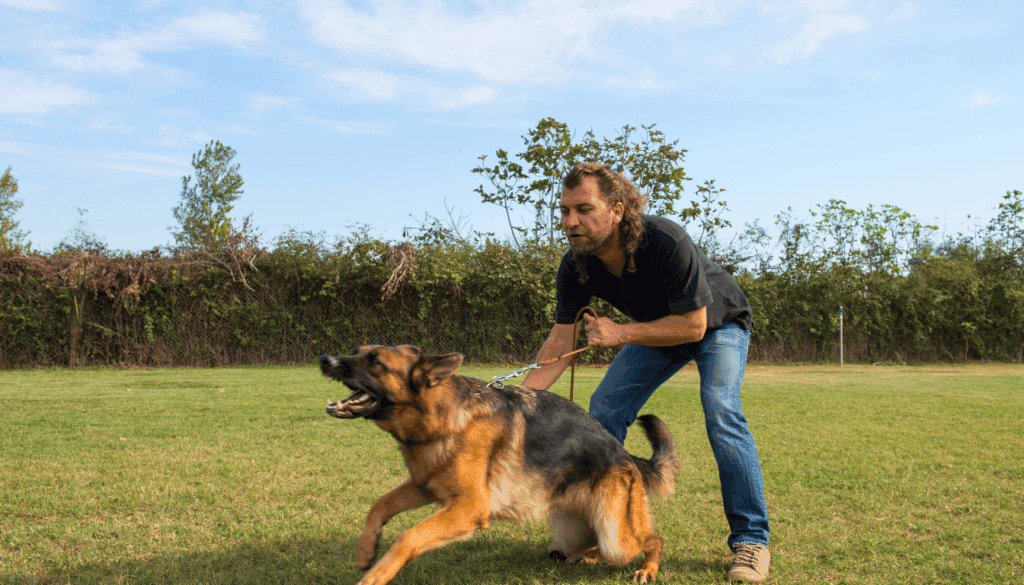
Training and Socialization
Having the right traits is just the start. Proper training and socialization are crucial in developing a well-rounded guard dog.
Here’s why:
- Basic obedience: A guard dog needs to respond to your commands without hesitation. This isn’t just about doing tricks – it’s about control and safety.
- Socialization: Expose your dog to different people, animals, and situations. This helps them distinguish between normal activities and genuine threats. Think of it as fine-tuning their alarm system.
- Specialized training: This might include teaching them to bark on command or how to react to specific situations.
- Consistency: Regular training sessions keep their skills sharp. It’s like going to the gym – you’ve got to keep at it to see results.
- Positive reinforcement: Reward-based training helps build a strong bond between you and your dog, enhancing their protective instincts.
Remember, a well-trained guard dog isn’t aggressive to everyone they meet. They’re discerning protectors who know when to sound the alarm and when to stand down.
With the right blend of innate traits and proper training, you’ll have a four-legged security expert who’s also a beloved family member.
Top 12 Best Guard Dogs: Breeds That Make Excellent Guard Dogs
Now that we’ve covered what makes a good guard dog let’s dive into the cream of the crop.
I’ve handpicked these 12 guard dog breeds that are perfect for maximum protection based on their natural guarding instincts, trainability, and overall suitability as family protectors.
Remember, every dog is an individual, but these breeds consistently show traits that make them standout guardians.
1. German Shepherd
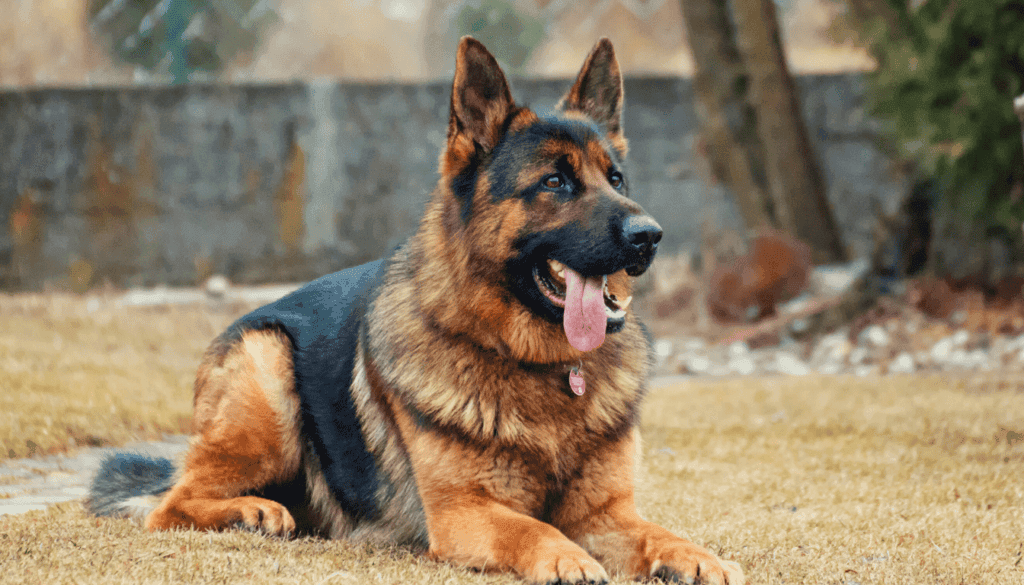
The German Shepherd is like the Swiss Army knife of dog breeds. They’re smart, loyal, and versatile. It’s no wonder they’re a top pick for police and military work. But don’t let their tough exterior fool you – they’re big softies with their families.
Key traits:
- Highly intelligent and trainable
- Naturally protective of their family
- Athletic and agile
2. Doberman Pinscher

Dobermans are the supermodels of the guard dog world – sleek, elegant, and intimidating. They’re known for their loyalty and sharp minds. With proper training, they’re excellent at distinguishing between real threats and false alarms.
Key traits:
- Extremely loyal and protective
- Quick learners
- Athletic build for fast response
3. Rottweiler
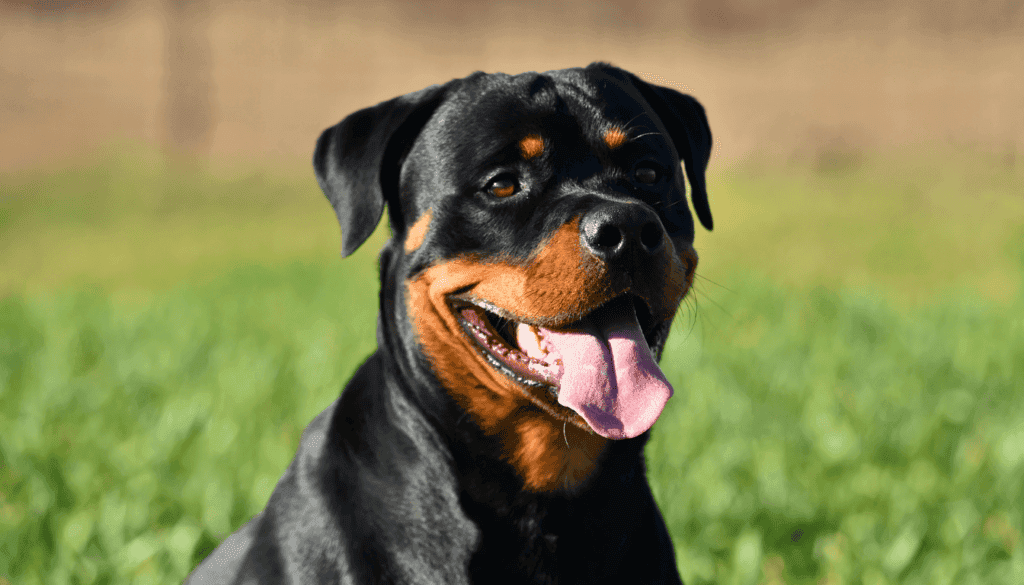
Don’t let their size fool you – Rottweilers are gentle giants with their families. They have a natural instinct to protect and are surprisingly patient with children. However, their imposing presence alone is often enough to deter intruders.
Key traits:
- Strong and sturdy build
- Calm and confident demeanor
- Devoted family protectors
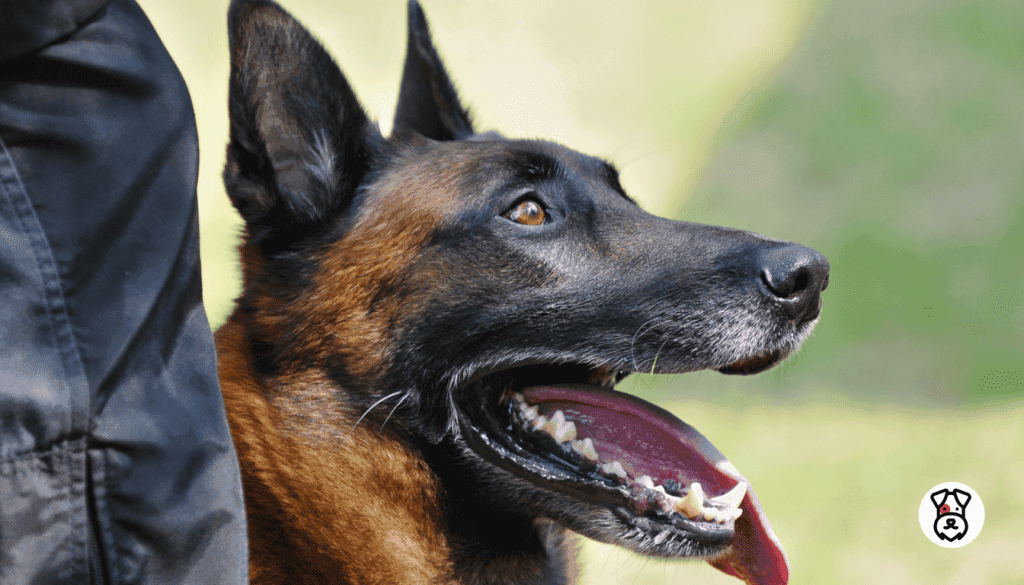
4. Belgian Malinois
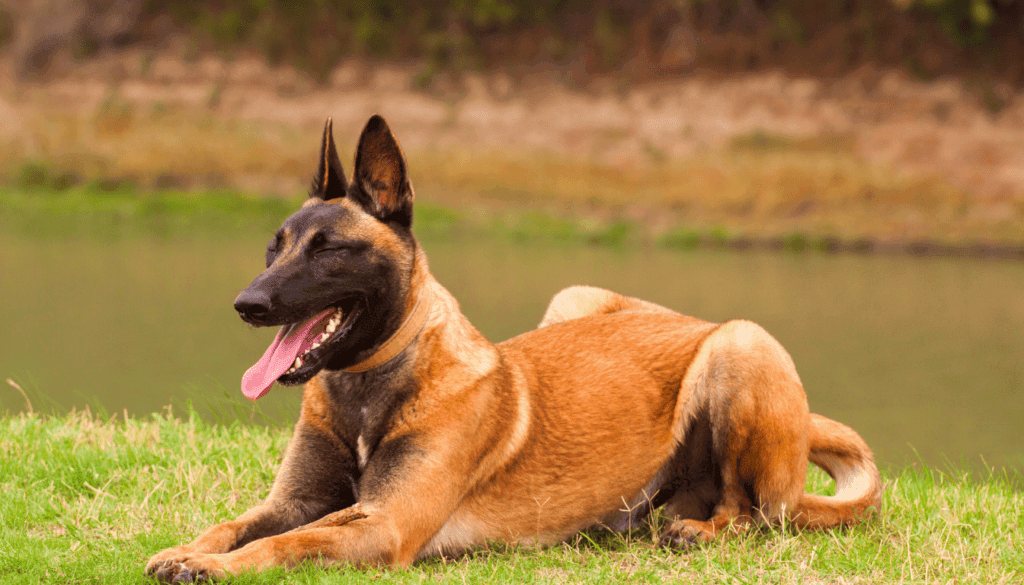
Often mistaken for German Shepherds, Belgian Malinois are energetic workaholics. They excel in police and military roles due to their high drive and trainability. They need lots of exercise and mental stimulation to thrive.
Key traits:
- Extremely high energy and drive
- Highly intelligent and trainable
- Strong work ethic
5. Great Dane

Despite their massive size, Great Danes are often called “gentle giants.” They’re patient with children and have a calm demeanor. However, their size alone can be a deterrent, and they won’t hesitate to protect their loved ones.
Key traits:
- Imposing size
- Gentle nature with family
- Protective when necessary
6. Bullmastiff

Bullmastiffs are like living, breathing security systems. They were bred to silently track and pin down poachers. Today, they make excellent family guardians, with a calm demeanor that belies their protective nature.
Key traits:
- Large and powerful
- Quiet but alert
- Gentle with family, intimidating to intruders
7. Cane Corso
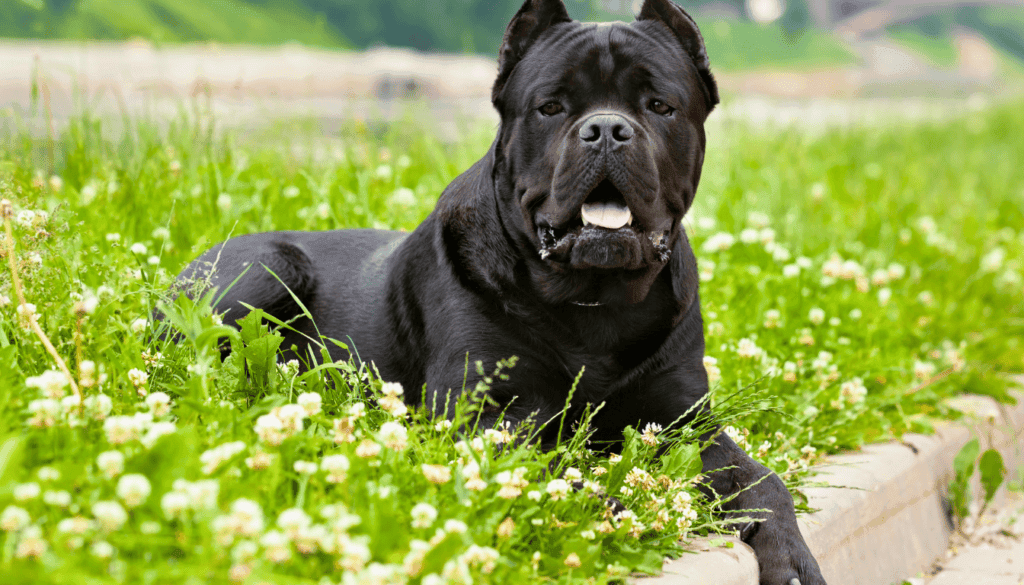
The Cane Corso is an Italian Mastiff breed known for its imposing presence and unwavering loyalty. They’re intelligent and trainable, but their strong personality means they need an experienced owner.
Key traits:
- Powerful and athletic
- Highly protective of their family
- Intelligent and trainable
8. Akita
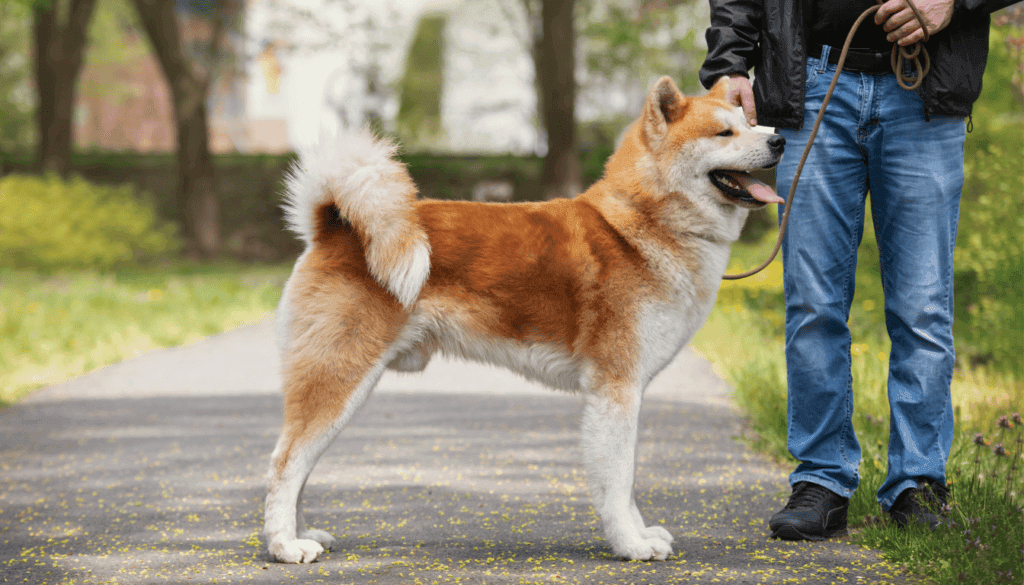
Hailing from Japan, Akitas are known for their dignity and loyalty. They’re naturally wary of strangers, making them excellent guard dogs. However, they can be stubborn, so consistent training is a must.
Key traits:
- Naturally protective
- Strong-willed and independent
- Loyal to their family
9. Caucasian Shepherd Dog
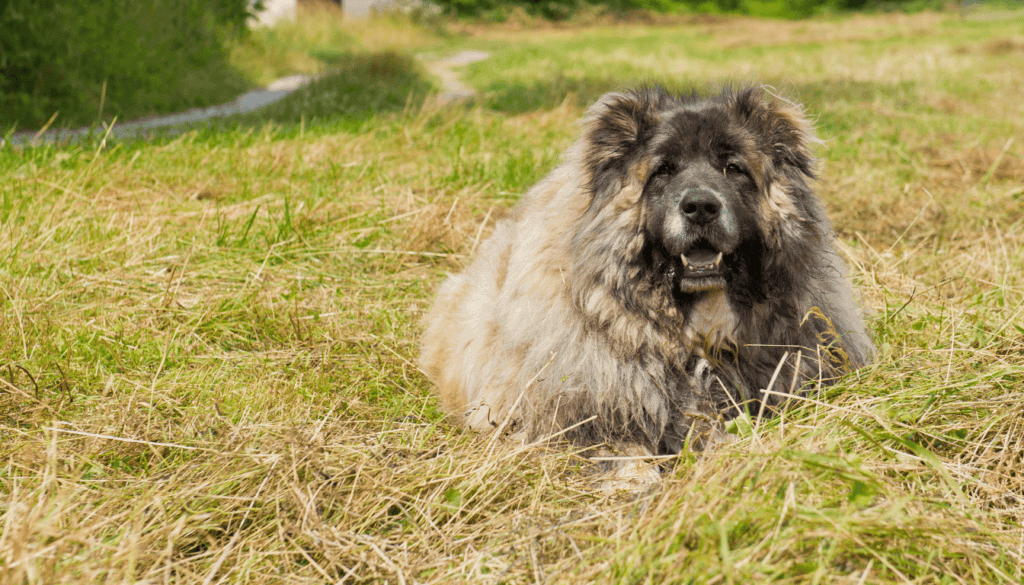
If you’re looking for a dog that can make a bear think twice, meet the Caucasian Shepherd. These mountain dogs are massive, protective, and not for the faint of heart. They need experienced handling and plenty of space.
Key traits:
- Extremely large and powerful
- Highly protective
- Independent thinkers
10. Giant Schnauzer
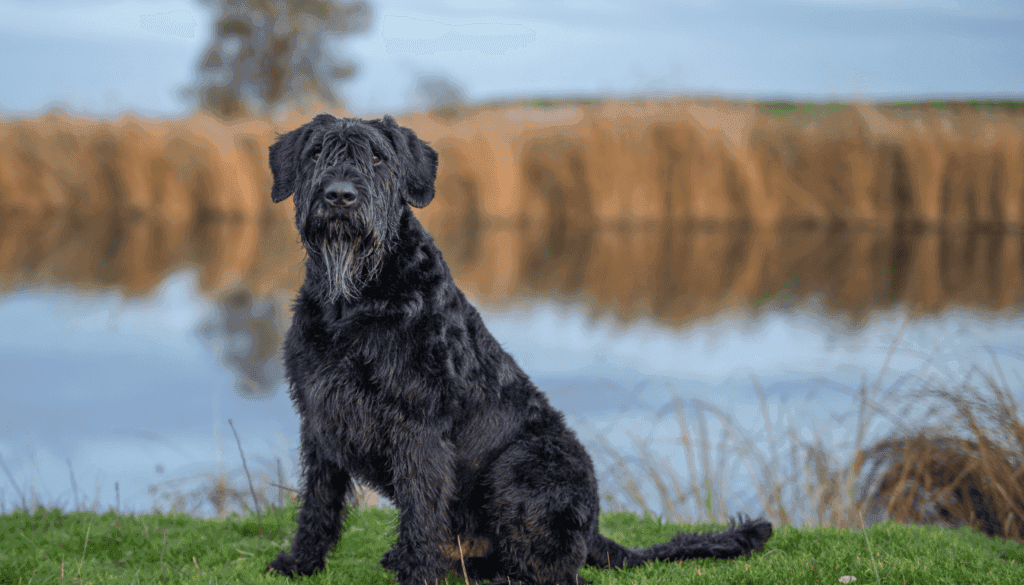
Don’t let the fancy haircut fool you – Giant Schnauzers are serious working dogs. They’re intelligent and energetic and make versatile guardians. With proper training, they excel in various roles, from family protection to police work.
Key traits:
- Intelligent and trainable
- High energy levels
- Versatile working abilities
11. Estrela Mountain Dog
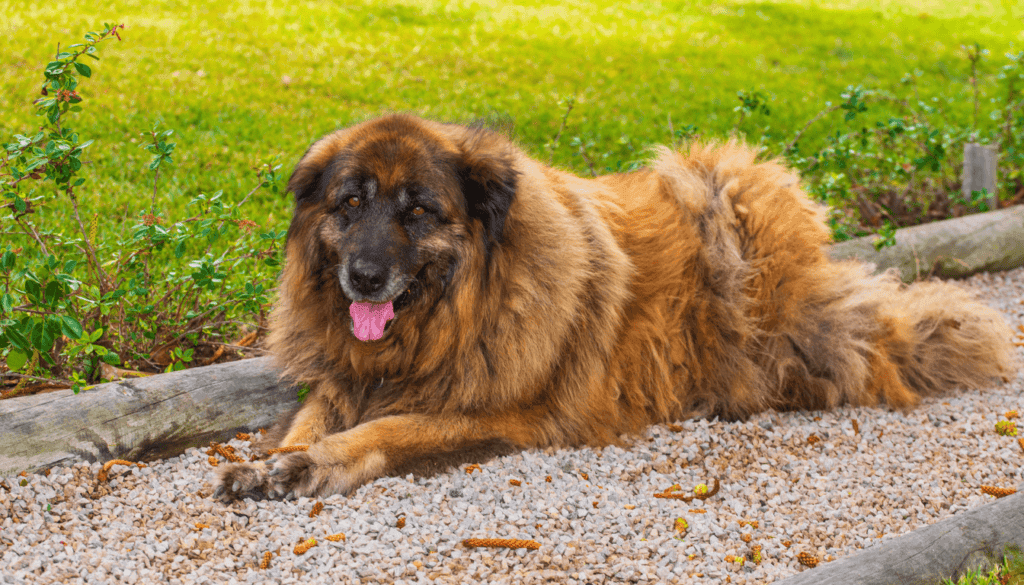
This Portuguese breed might not be well-known, but they’re excellent guardians. Originally bred to protect livestock from wolves, they’re naturally protective and loyal. They’re patient with children but wary of strangers.
Key traits:
- Natural guardian instincts
- Patient and gentle with family
- Independent thinkers
12. Komondor
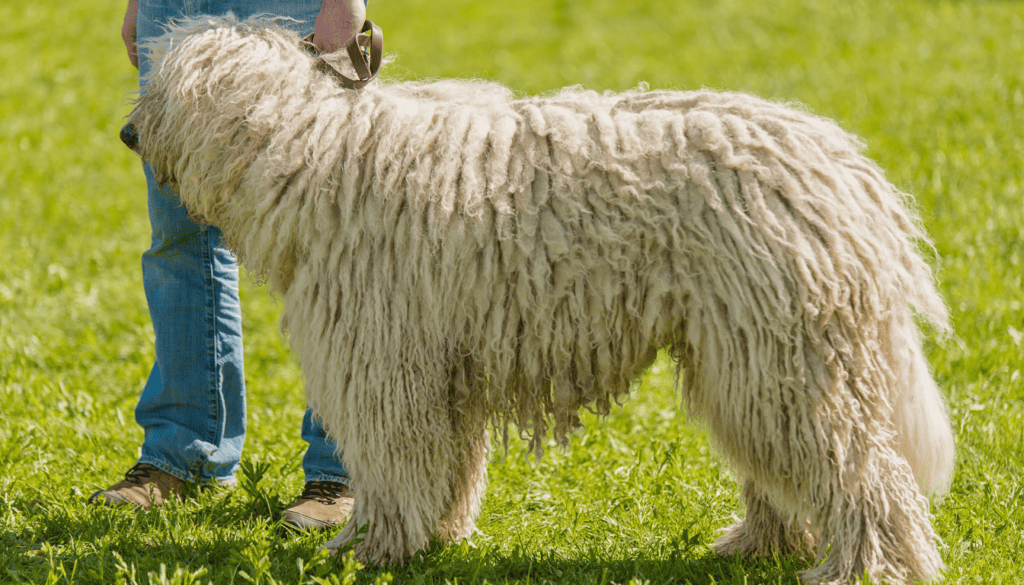
With their unique corded coat, Komondors look like giant mops on legs. But under that shaggy exterior is a serious guardian. They were bred to guard livestock and transfer those skills effortlessly to family protection.
Key traits:
- Unique, protective coat
- Independent and intelligent
- Naturally protective instincts
Remember, while these breeds have natural guarding instincts, proper training and socialization are crucial.
A well-trained guard dog should be a deterrent first and foremost, resorting to aggression only as a last resort.
Choose the breed that best fits your lifestyle, experience level, and specific needs.
Choosing the Right Guard Dog for Your Family
Picking the perfect guard dog isn’t like choosing a new pair of shoes – you can’t just return it if it doesn’t fit!
It’s a big decision that’ll impact your life for years to come.
Let’s break down the key factors you need to consider to ensure you find your perfect canine protector.
Considering Your Lifestyle
Before you fall in love with those puppy dog eyes, take a good hard look at your daily routine.
Are you a couch potato or a marathon runner?
Do you work from home, or are you rarely there?
Your lifestyle will play a huge role in determining which breed is right for you.
For instance, if you’re more sloth than cheetah, a high-energy Belgian Malinois might not be your best bet.
These dogs are like furry perpetual motion machines – they need tons of exercise and mental stimulation.
On the flip side, if you’re an outdoor enthusiast, a more laid-back breed like a Bullmastiff might not keep up with your active lifestyle.
Consider these lifestyle factors:
- Exercise requirements: How much time can you dedicate to walks, runs, or playtime?
- Attention needs: Some breeds are more independent, while others are velcro dogs that want to be with you 24/7.
- Living space: Do you have a big backyard or a small apartment?
- Time commitment: Can you dedicate time for training and socialization?
Home Security Needs
Now, let’s talk about why you’re really here – security. What level of protection are you looking for?
Do you want a dog that’ll alert you to every squirrel that dares to enter your yard or one that’ll only react to genuine threats?
Some breeds, like German Shepherds, are natural watchdogs. They’ll let you know if something’s amiss, but they’re not typically aggressive without cause.
Others, like the Caucasian Shepherd, are more intense and might be overkill if you’re just looking for a deterrent.
Consider your specific security concerns:
- Do you need a visual deterrent or an active protector?
- Are you looking for a dog that’ll alert you to potential threats or one that’ll take action?
- How important is the dog’s ability to distinguish between real threats and false alarms?
Family Dynamics
Last but certainly not least, let’s talk about your family. A guard dog isn’t just a security system – it’s a new family member. You need to consider how they’ll fit into your household dynamics.
If you’ve got little ones running around, you’ll want a breed that’s patient and gentle with children.
Rottweilers, despite their tough reputation, are often great with kids.
On the other hand, if you’ve got other pets, you’ll need to consider how your new guard dog will interact with them.
Think about these family factors:
- Ages of family members (especially children)
- Other pets in the household
- Family members’ comfort levels with large or assertive dogs
- Allergies or other health considerations
Remember, choosing a guard dog is a balancing act. You’re looking for a dog that’s protective enough to make you feel safe, but not so aggressive that you’re worried about your mailman’s safety.
It’s like finding the Goldilocks of dogs – not too soft, not too hard, but just right for your family.
Take your time, do your research, and don’t be afraid to consult with breed experts or trainers. After all, this furry friend will be your loyal protector and family member for years to come.
Choose wisely, and you’ll have a faithful guardian who’ll not only keep your family safe but also shower you with love and loyalty.
Common Misconceptions About Guard Dogs
Let’s face it, guard dogs often get a bad rap. Thanks to movies and media, many people picture snarling, aggressive beasts ready to attack at the drop of a hat.
But as someone who’s worked with these amazing animals for years, I can tell you that reality is far different from these Hollywood portrayals.
Let’s bust some myths and set the record straight about our canine protectors.
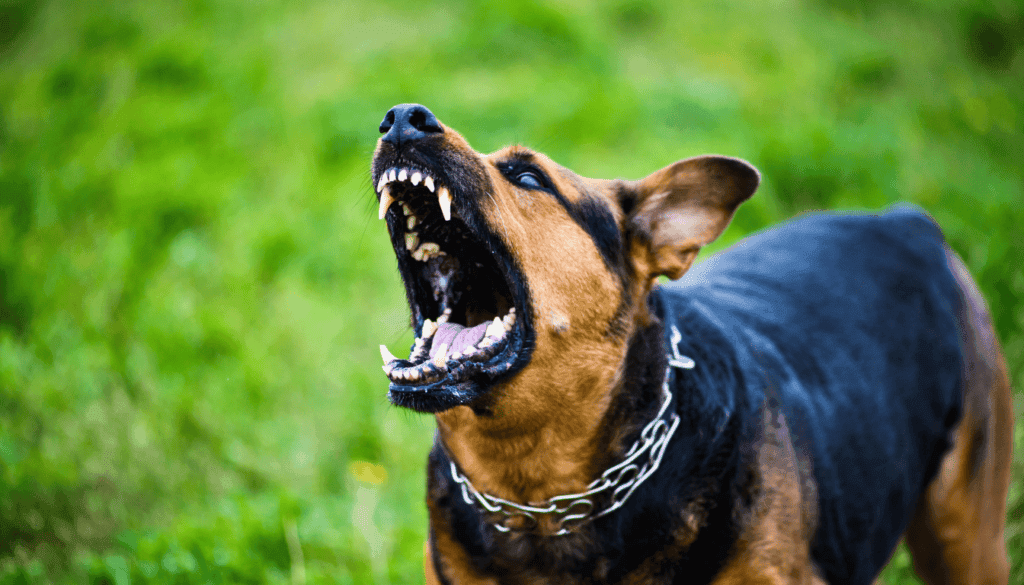
The Aggression Myth
One of the biggest misconceptions about guard dogs is that they’re inherently aggressive. This couldn’t be further from the truth.
A well-trained guard dog isn’t a ticking time bomb of aggression – it’s a discerning protector with a calm demeanor.
A good guard dog is alert and watchful, but also calm and controlled. They don’t react with aggression to every person or sound. Instead, they assess situations and respond appropriately.
For example, my own guard dog, Max, is a gentle giant with my kids. He’ll let them climb all over him and use him as a pillow during movie nights.
But when a stranger approached our property suspiciously late one night, Max’s demeanor changed instantly. He didn’t attack, but his alert barking and imposing presence were enough to send the would-be intruder packing.
The key is proper training and socialization.
A well-trained guard dog knows the difference between a threat and a friend. They’re not aggressive by default, but protective when necessary.
Breed Stereotypes: Not All Teeth and Growls
Another widespread misconception revolves around breed stereotypes. Certain breeds, like Pit Bulls, Rottweilers, or Dobermans, often get unfairly labeled as “aggressive” or “dangerous.”
But here’s the truth: there’s no such thing as an inherently aggressive breed.
Take Pit Bulls, for instance.
These dogs often get a terrible rap, but did you know they were once known as “nanny dogs” because of how great they were with kids?
Any dog, regardless of breed, can be a wonderful family pet and an effective guard dog with proper training and care.
The American Staffordshire Terrier, often lumped in with Pit Bulls, is another breed that suffers from unfair stereotypes.
These dogs are actually known for their love of people and their gentle nature with children. They can make excellent guard dogs not because they’re aggressive, but because they’re loyal and protective of their families.
It’s crucial to remember that a dog’s behavior is shaped more by their upbringing, training, and individual personality than by their breed.
Just like humans, dogs are individuals. Judging them solely based on their breed is like judging a book by its cover – you might miss out on a great story.
The Reality of Guard Dogs
So, what’s the truth about guard dogs? They’re not weapons or attack machines. They’re intelligent, loyal companions who’ve been trained to protect their families.
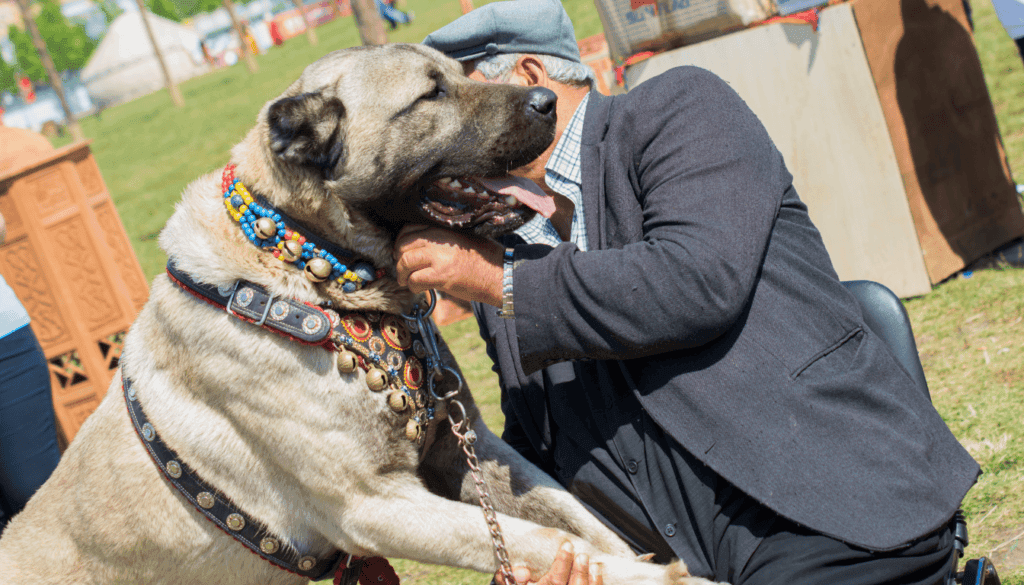
A good guard dog is:
- Discerning: They can differentiate between real threats and normal occurrences.
- Controlled: They respond to commands and don’t act on impulse.
- Confident: They’re secure in their environment and don’t react out of fear.
- Loyal: They’re devoted to their family and home.
Remember, the goal of a guard dog isn’t to attack, but to deter. Their presence alone is often enough to prevent most security issues.
In the end, guard dogs are just dogs. They enjoy belly rubs, play fetch, and love a good nap in the sun. They just happen to have an extra skill set that makes them excellent protectors.
By understanding the reality behind these common misconceptions, we can appreciate these magnificent animals for what they truly are – loyal friends and dedicated guardians.
Wrapping Up
Choosing a guard dog is a big decision, but it can be incredibly rewarding. From the loyal German Shepherd to the gentle giant Bullmastiff, there’s a perfect protector out there for every family.
Remember, though, that owning a guard dog isn’t just about having a living security system. It’s about welcoming a new member into your family.
Responsible ownership is key. Training, care, and love are essential ingredients in raising a well-balanced guard dog. With the right approach, you’ll have a faithful companion who not only keeps your home safe but also fills it with joy and affection.
So, whether you’re leaning towards a classic guard dog breed or considering a less traditional option, the most important thing is finding a dog that fits your lifestyle and needs.
Here’s to finding your perfect canine guardian!