All products are independently selected by our editors. If you buy something via the links on our site, we may earn an affiliate commission at no extra cost to you. Learn More >
As a dog trainer, I’ve seen firsthand how a well-behaved dog can bring joy to a family. But what makes a dog “well-behaved”?
It’s a mix of their natural temperament and good training. Some breeds are easier to train than others, making them ideal for new dog owners.
In this post, I’ll share my top 12 picks for the best-behaved dog breeds.
These dogs are known for their friendly nature, intelligence, and responsiveness to obedience training.
Whether you’re a first-time owner or looking to add another furry friend to your family, this guide will help you make an informed choice.
Understanding Dog Behavior and Trainability
When it comes to dog behavior, there’s more than meets the eye. As a seasoned dog trainer, I’ve learned that understanding what makes our furry friends tick is key to having a well-behaved companion.
First off, let’s talk about what shapes a dog’s behavior.
It’s not just about nature or nurture – it’s a mix of both. Genes play a big role, but so does environment and training. It’s like baking a cake; you need the right ingredients (genes) and the right method (training) to get the perfect result.
Breed characteristics are a huge factor.
Each breed has its own quirks and tendencies. For example, retrievers are typically eager to please, while terriers might have a stubborn streak.

Now, let’s address the elephant in the room – anxiety and aggression.
These aren’t just “bad dog” behaviors. Often, they’re signs that something’s not right. Anxiety in dogs can manifest as destructive behavior or excessive barking.
Aggression, on the other hand, is usually fear-based. I’ve seen many cases where a little understanding and the right training approach can work wonders.
Remember, every dog is an individual. While breed traits give us a general idea, your pup’s unique personality and experiences will shape their behavior too.
It’s like how siblings can have totally different personalities despite sharing the same genes.
Understanding these factors is the first step to having a well-behaved dog. It’s not about forcing your dog to behave, but about working with their natural instincts and traits.
Trust me, once you get this, training becomes a whole lot easier – and more fun!
What Makes a Dog Breed “Well-Behaved”?
Let’s get down to brass tacks: what exactly do we mean when we say a dog is “well-behaved”? It’s not just about sitting pretty or fetching on command.
In my years of working with dogs, I’ve found that well-behaved pups share some common traits. They’re generally calm, responsive to commands, and good with people and other animals.
Now, here’s where it gets interesting: nature vs. nurture.
Is good behavior bred into a dog, or is it all about how you raise them? The truth is, it’s a bit of both. Some breeds are naturally more inclined to be calm and obedient, like Golden Retrievers or Collies.
But even a breed known for being “difficult” can turn out to be a model citizen with the right training.
That’s where experience comes in.
I can’t stress enough how important consistent, positive training is. It’s like learning a new language – the more you practice, the better you get.

A dog that’s had plenty of positive experiences with training, socialization, and different environments is more likely to be well-behaved in various situations.
Remember, though, that “well-behaved” can mean different things to different people. For some, it might mean a dog that’s happy to lounge around all day.
For others, it could be a dog that’s always ready for an adventure but knows how to behave in public. The key is to choose a breed that aligns with your lifestyle and expectations.
In the end, while some breeds might have a head start in the good behavior department, any dog can be a well-behaved companion with the right guidance. It’s all about understanding your dog’s needs, providing consistent training, and lots of love.
After all, a happy dog is usually a well-behaved one!
12 Best-Behaved Breed of Dog for New Owners
Alright, let’s get to the main event! Here’s my rundown of the top 12 best-behaved dog breeds for new owners.
I’ve seen these pups in action, and trust me, they’re the cream of the crop when it comes to good behavior.
1. Labrador Retriever

Labs are like the golden child of the dog world.
They’re eager to please, smart as a whip, and have a temperament sweeter than sugar. These pups are a breeze to train, making them perfect for first-time dog owners.
They’re like that friend who’s always up for anything – whether it’s a lazy day on the couch or an adventurous hike.
2. Golden Retriever

Golden Retrievers are the social butterflies of the canine world. They’re friendly, intelligent, and have a heart of gold. Training these pups is like teaching a kid who actually wants to learn – they soak up commands like a sponge.
They’re fantastic family pets, always ready for a game of fetch or a cuddle session.
3. Poodle

Don’t let the fancy haircuts fool you – Poodles are more than just looks.
They’re whip-smart and adaptable, like the Swiss Army knife of dogs. Whether you go for the standard, miniature, or toy size, you’re getting a pup that’s easy to train and fits into various lifestyles.
It’s like choosing your coffee size – there’s a Poodle for every preference!
4. German Shepherd
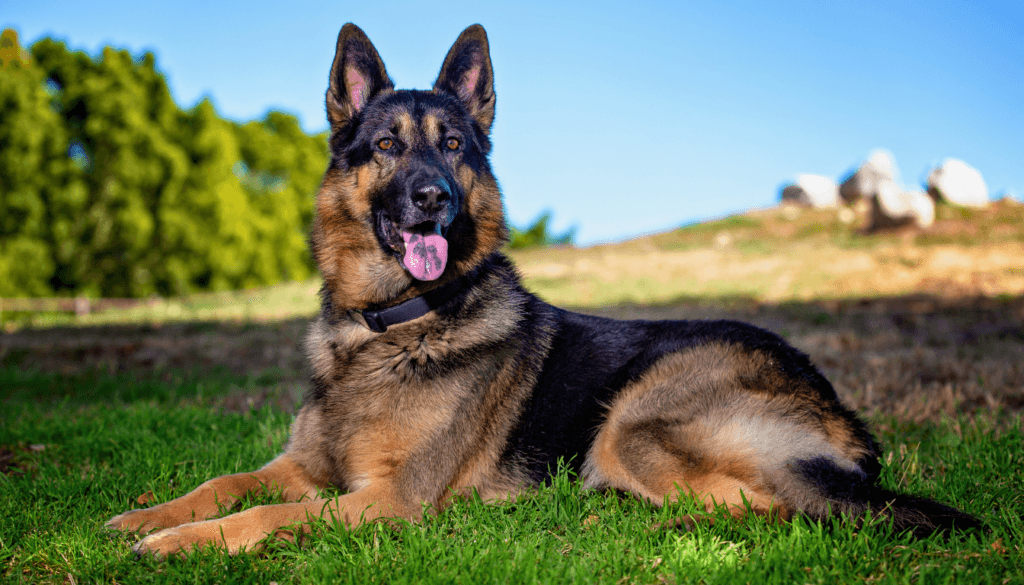
German Shepherds are the overachievers of the dog world. They’re loyal to a fault and take to training like fish to water.
But here’s the kicker – early socialization is key.
It’s like sending your kid to preschool; it helps them become well-rounded adults. These pups have a rich history, originally bred in Germany for herding sheep.
Now they’re more likely to herd your kids into behaving!
5. Collie

Ah, the Collie – think Lassie, but in real life. They’re gentle souls with a knack for learning. Their herding instincts can be strong, so don’t be surprised if they try to round up the neighborhood kids.
With the right training, you can channel this instinct into fun games and activities.
6. Cavalier King Charles Spaniel

These little charmers are the epitome of “gentle and affectionate.” They’re like living, breathing teddy bears.
But heads up – they can have some health issues, so pet insurance might be a good idea. It’s like having a safety net for your furry friend.
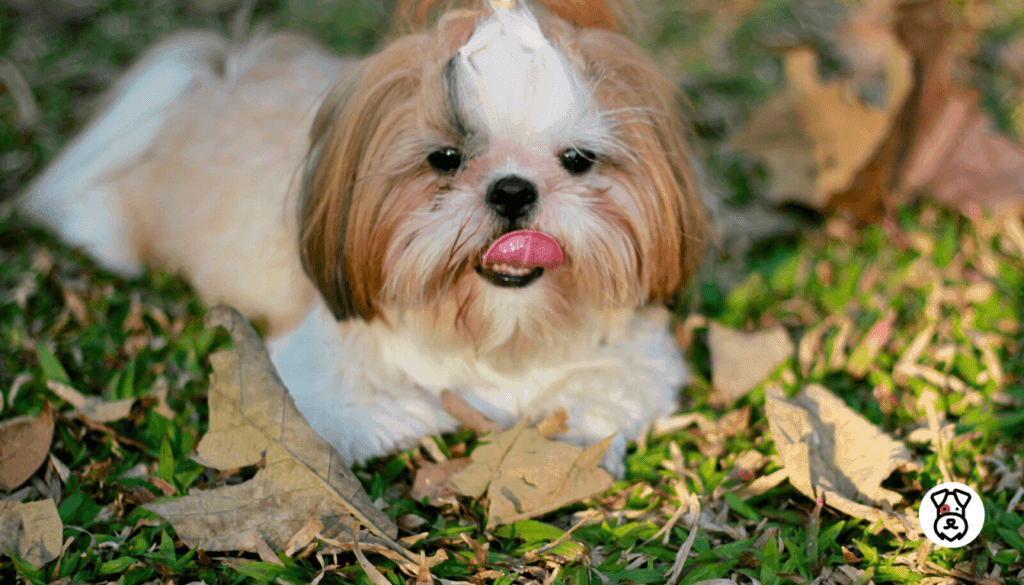
7. Shih Tzu

Shih Tzus are the chameleons of the dog world – they adapt to pretty much any living situation. Whether you’re in a tiny apartment or a sprawling house, these little guys will make themselves at home.
Just be ready for some grooming – their fabulous locks need regular TLC.
8. Miniature Schnauzer

Smart, spunky, and oh-so-trainable, Miniature Schnauzers are like the straight-A students of the dog world.
They’re great with families and have a knack for learning tricks. It’s like having a furry little Einstein in your home.
9. Havanese Dog

Havanese are the class clowns of the dog world – friendly, trainable, and always up for a good time. They’re perfect lap dogs, happy to snuggle up for a Netflix marathon.
Training them is like playing a fun game – they’re always eager to learn.
10. Welsh Corgi

Don’t let their short legs fool you – Corgis are bundles of energy and intelligence. They were bred for herding, so they’ve got stamina for days.
Training a Corgi is like coaching a mini athlete – they’re always ready for the next challenge.
11. Weimaraner

Weimaraners are like the track stars of the dog world – athletic, friendly, and always ready for action. They’re a breeze to train, but they need plenty of exercise.
Think of them as your new jogging buddy who’s always up for one more mile.
12. Great Dane

Last but definitely not least, the Great Dane. These gentle giants are like the big teddy bears of the dog world. They’re easy to train and have a calm demeanor, but remember – they’re huge!
Make sure you’ve got the space (and the dog food budget) to accommodate these lovable giants.
Remember, while these breeds are known for their good behavior, every dog is an individual.
With patience, consistency, and lots of love, any pup can become a well-behaved member of your family.
Happy training!
Quick Reference: Best-Behaved Dog Breeds at a Glance
Before we wrap up, let’s take a moment to summarize some of the key breeds we’ve discussed.
This handy table gives you a quick overview of their traits, who they’re best suited for, and how challenging they might be to train.
It’s like a cheat sheet for potential dog owners!
Remember, though, that every dog is unique, and these are just general guidelines. Your mileage may vary, as they say in the car world!
| Breed | Key Traits | Best Suited For | Training Difficulty |
| Labrador Retriever | Eager to please, Smart | First-time owners, Active families | Easy |
| Golden Retriever | Friendly, Intelligent | Families, Social environments | Easy |
| Poodle | Smart, Adaptable | Various lifestyles, Allergy sufferers | Easy |
| German Shepherd | Loyal, Trainable | Active families, Working roles | Moderate |
| Collie | Gentle, Learning-oriented | Families with children | Easy |
| Cavalier King Charles Spaniel | Gentle, Affectionate | Companion seekers, Quiet homes | Easy |
| Shih Tzu | Adaptable, Affectionate | Apartment dwellers, Laid-back owners | Moderate |
| Miniature Schnauzer | Smart, Spunky | Families, Trick enthusiasts | Easy |
| Havanese | Friendly, Trainable | Lap dog lovers, Apartment living | Easy |
| Welsh Corgi | Energetic, Intelligent | Active families, Mental stimulation lovers | Moderate |
| Weimaraner | Athletic, Friendly | Active individuals, Outdoor enthusiasts | Moderate |
| Great Dane | Gentle, Calm | Spacious homes, Patient owners | Easy to Moderate |
Tips for Training Well-Behaved Dogs
Now that we’ve covered the cream of the crop when it comes to well-behaved dog breeds, let’s talk about how to turn any pup into a model canine citizen.
Trust me, with these tips, you’ll be well on your way to having a dog that’s the envy of the neighborhood.
First things first: consistency is key.
It’s like learning a new language – you can’t expect to become fluent by practicing once a week. Set aside time each day for training sessions, even if it’s just for 10-15 minutes. Your dog will pick up on the routine, and before you know it, they’ll be eager to learn.
Now, let’s talk about positive reinforcement.
This isn’t just a buzzword – it’s a game-changer in dog training. Imagine if every time you did something right at work, you got a raise.
You’d be pretty motivated, right? That’s how positive reinforcement works for dogs.
Treats, praise, and playtime can work wonders. I’ve seen even the most stubborn dogs turn into eager learners with the right rewards.
Socialization is another crucial piece of the puzzle.
It’s like sending your kid to kindergarten – it helps them learn how to play nice with others. Expose your pup to different people, animals, and environments from an early age.
This helps prevent anxiety and aggression down the line. I once had a client whose dog was terrified of men in hats. If only they’d introduced him to some friendly, hat-wearing folks as a puppy!
Speaking of anxiety and aggression, these are common issues that can crop up in even the best-behaved breeds. The key is to address them early and consistently.
If your dog shows signs of anxiety, like excessive panting or hiding, don’t ignore it. It’s like having a toothache – it won’t go away on its own and will only get worse if left untreated.
For aggression, it’s crucial to nip it in the bud.
This often stems from fear or insecurity, so building your dog’s confidence through training and positive experiences can work wonders.
I once worked with a German Shepherd who would growl at strangers. After a few weeks of controlled introductions and positive reinforcement, he was wagging his tail at new friends instead of baring his teeth.
Remember, every dog is unique.
What works for one might not work for another. It’s like raising kids – you’ve got to adapt your approach to fit their personality. Be patient, be consistent, and above all, shower your pup with love. A happy dog is much more likely to be a well-behaved dog.

Here’s a pro tip: Don’t underestimate the power of mental stimulation. Puzzle toys, training games, and new experiences can tire out your dog just as much as a long walk. It’s like giving them a crossword puzzle – it keeps their mind sharp and helps prevent boredom-related behavior issues.
In the end, training a well-behaved dog is a journey, not a destination.
Enjoy the process, celebrate the small victories, and don’t be too hard on yourself or your pup when setbacks occur. With time, patience, and these tips in your toolkit, you’ll be well on your way to having a canine companion that’s not just well-behaved, but a joy to be around.
Special Considerations for Specific Breeds
Now that we’ve covered the general tips for training well-behaved dogs, let’s dive into some breed-specific considerations.
Just like people, different dog breeds have their own unique personalities and needs. It’s like choosing the right tool for the job – you wouldn’t use a sledgehammer to hang a picture, would you?
Let’s start with high-energy breeds like Huskies and Terriers.
These pups are like the Energizer Bunny of the dog world – they just keep going and going. If you’ve ever seen a Husky pull a sled or a Jack Russell Terrier in full-play mode, you know what I’m talking about.
These breeds need plenty of exercise and mental stimulation to be their best selves. Without it, they might channel that energy into less desirable behaviors.
To keep these high-octane pups happy and well-behaved, you’ll need to up your game. Long walks, runs, or intense play sessions are a must. But don’t forget about mental exercise too.
Puzzle toys, agility training, or even teaching them new tricks can help tire them out mentally. It’s like giving a hyperactive kid a Rubik’s cube – it keeps them engaged and out of trouble.


Now, let’s talk about working breeds like the Akita or Cane Corso.
These dogs were bred for specific jobs, and they take their work seriously. They’re like the Type A personalities of the dog world – always looking for a task to complete.
Without a job to do, they might assign themselves one, and trust me, you probably won’t like their choice of occupation.
The key to keeping working breeds well-behaved is to give them a sense of purpose. This could be anything from carrying a backpack on walks to learning advanced obedience commands.
Lastly, let’s consider breeds with high therapy dog potential, like Golden Retrievers and Poodles. These breeds are often natural people-pleasers with a knack for empathy. It’s like they have a built-in radar for human emotions.
This makes them excellent candidates for therapy work, but it also means they need plenty of positive human interaction to thrive.
For these breeds, socialization is key.
Expose them to a variety of people, places, and situations from an early age. This will help them develop the confidence and adaptability they need to be well-behaved in any situation.
Training sessions for these dogs should focus on obedience and impulse control, as therapy dogs need to remain calm and focused even in distracting environments.
Remember, while these breed-specific traits are generally true, every dog is an individual. I’ve met lazy Huskies and hyperactive Basset Hounds.
The key is to observe your dog, understand their unique needs, and tailor your approach accordingly. It’s like being a good parent – you need to adapt your style to fit your child’s personality.
In the end, whether you have a high-energy Terrier, a stoic Akita, or a people-loving Golden Retriever, the basics of good behavior remain the same.
Consistency, positive reinforcement, and plenty of love and attention will go a long way in shaping a well-behaved dog. Just remember to consider your dog’s breed-specific traits and needs as you embark on your training journey.
With the right approach, any dog can become a model canine citizen.
Wrapping Up
Well, we’ve certainly covered a lot of ground in our journey through the world of well-behaved dog breeds!
From the calm and collected Labrador Retriever to the eager-to-please Golden Retriever, we’ve seen that good behavior isn’t just about breeding – it’s about training, love, and understanding.
Remember, every dog has the potential to be a great companion. The key is choosing a breed that matches your lifestyle and being ready to put in the time and effort to train them well.
Whether you’re drawn to the intelligence of a Poodle or the loyalty of a German Shepherd, responsible ownership is the foundation of a happy, well-behaved pet.