All products are independently selected by our editors. If you buy something via the links on our site, we may earn an affiliate commission at no extra cost to you. Learn More >
As our beloved canine companions age, they require extra care and attention to ensure their golden years are filled with comfort and joy.
Just like humans, dogs experience various changes as they grow older, and it’s our responsibility as pet owners to adapt and cater to their evolving needs.
Watching your once-energetic pup slow down can be heartbreaking, but with the right approach, you can help them navigate this new chapter with ease.
From adjusting their diet and exercise routine to creating a cozy, accessible environment, there are numerous ways to keep your senior dog happy, healthy, and comfortable.
In this comprehensive guide, we’ll explore practical tips and strategies to make your furry friend’s twilight years truly golden.
Get ready to learn everything you need to know about caring for an aging dog, ensuring they receive the love and attention they deserve.
At What Age Is A Dog Considered a Senior?
There’s no one-size-fits-all answer to this question, as the age at which a dog is considered a senior can vary based on several factors.
However, as a general rule of thumb, most dogs enter their golden years around 7 years of age for larger breeds and 10-12 years for smaller breeds.
That said, it’s essential to remember that every dog is unique, and their aging process can be influenced by various elements.
Let’s take a closer look at the key factors that determine when a dog is considered a senior.
Factors Affecting Senior Status
Breed Size: One of the primary factors that impact a dog’s senior status is their breed size. Larger breeds tend to age faster than their smaller counterparts.
For instance, a Great Dane may be considered a senior as early as 5 or 6 years old, while a Chihuahua may not reach senior status until well into their late teens.
Overall Health and Veterinary History: A dog’s overall health and medical history can also play a significant role in determining their senior status.
Dogs with chronic conditions, such as arthritis or kidney disease, may experience age-related changes earlier than their healthier counterparts. Similarly, dogs that have undergone significant trauma or surgery may show signs of aging sooner.
While these guidelines provide a general framework, it’s crucial to remember that every dog is an individual. Some may exhibit signs of aging earlier or later than their breed’s typical timeline.
As responsible pet owners, it’s our duty to pay close attention to our furry companions and recognize when they may be entering their golden years.
By understanding the factors that contribute to a dog’s senior status, we can better prepare ourselves to provide the specialized care and attention they need during this precious stage of their lives.

Routine Veterinary Care for Senior Dogs
As your canine companion enters their golden years, regular visits to the veterinarian become even more crucial.
Just like humans, dogs are susceptible to various age-related health issues, and early detection and management can significantly improve their quality of life.
Regular Check-ups
Imagine the peace of mind you’ll have knowing your furry friend is in top shape, thanks to routine check-ups.
During these visits, your veterinarian will perform a thorough physical examination, checking everything from their eyes and ears to their joints and overall mobility.
Regular blood work and urinalysis are also essential for monitoring your senior dog’s internal health.
These tests can detect early signs of chronic conditions like arthritis, diabetes, or kidney disease, allowing for prompt treatment and management.
Adjusting Diet and Nutrition
As dogs age, their dietary needs change. Your veterinarian may recommend switching to a senior-specific dog food formula, which is tailored to meet the unique nutritional requirements of an older pup.
These foods often have lower calorie and fat content, as well as added supplements to support joint health and cognitive function.
Weight management is another critical aspect of senior dog care. Obesity can exacerbate existing conditions and put additional strain on their joints and organs.
Your vet can help you develop a balanced diet and exercise plan to maintain a healthy weight for your furry friend.
Managing Chronic Conditions
Chronic conditions like arthritis and joint issues are common in senior dogs, but they don’t have to dictate their quality of life.
With the help of your veterinarian, you can explore various treatment options, such as medications, dietary supplements like glucosamine and chondroitin, and even alternative therapies like acupuncture or massage.
Pain management is also crucial for senior dogs with arthritis or other joint-related issues. Your vet can recommend safe and effective pain relief options, ensuring your pup stays comfortable and happy.
Remember, your veterinarian is your trusted partner in your dog’s golden years. By following their guidance and committing to routine care, you can help your senior pup age gracefully and enjoy their twilight years to the fullest.
Creating a Comfortable Environment
As our furry friends age, their needs and preferences change, and it’s up to us to ensure their living environment is tailored to accommodate those shifts.
Creating a comfortable and accessible space for your senior dog is crucial for their overall well-being and happiness.
Bedding and Sleeping Areas
Have you ever noticed your senior pup struggling to get up from their bed or favoring certain positions? It might be time to invest in an orthopedic bed or add some cozy, supportive bedding to their sleeping area.
These specialized beds can provide much-needed relief for aging joints and muscles, allowing your senior pet to rest comfortably.
Additionally, consider adding ramps or steps to make it easier for your senior dog to access their favorite napping spots.
As they age, jumping onto high surfaces can become a challenge, and ramps can help your dog by preventing unnecessary strain and potential injuries.
Temperature and Climate Control
Just like humans, senior dogs can be more sensitive to extreme temperatures. Ensuring their living space is kept at a comfortable, moderate temperature is essential for their comfort and well-being.
During the warmer months, you may need to take extra precautions to keep them cool, such as providing access to air conditioning or setting up a designated cool spot.
Conversely, in colder weather, you’ll want to ensure your senior pup stays cozy and warm.
Consider investing in a dog sweater or providing extra blankets and heating pads (supervised, of course) to help them regulate their body temperature.
Accessibility Modifications
As your senior pet’s mobility decreases, it’s important to keep their living space as accessible as possible. Install ramps or non-slip surfaces to help them navigate inclines or slippery areas with ease.
You may also need to rearrange furniture or remove obstacles that could potentially trip them up or block their path.
Simple adjustments like these can significantly improve your senior dog’s quality of life, allowing them to move around freely and confidently without the fear of falling or getting stuck.
Remember, creating a comfortable environment for your aging pup is an ongoing process.
As their needs evolve, be prepared to make additional modifications to ensure their golden years are filled with comfort, safety, and ease.
Grooming and Hygiene for Older Dogs
As our senior pets age, their grooming and hygiene needs may change, and it’s essential to adapt our routines to ensure their comfort and well-being.
Proper grooming not only keeps them looking their best but also helps maintain their overall health and quality of life.
1. Brushing and Bathing
Brushing and bathing can be a calming and bonding experience for you and your senior pup, but it’s crucial to approach these tasks with extra gentleness and patience.
Older dogs may have more sensitive skin, achy joints, or be prone to stress, so take your time and make the process as comfortable as possible.
During grooming sessions, be on the lookout for any unusual lumps, bumps, or skin conditions that may have developed.
These could be early signs of potential health issues that should be addressed by your veterinarian.
2. Nail Trimming
Have you ever noticed your senior dog struggling to get traction on slippery floors or hesitating to walk on certain surfaces?
Overgrown nails can be the culprit, and regular nail trimming can help alleviate discomfort and improve their mobility.
However, as dogs age, their nails may become thicker and more challenging to trim, so it’s best to leave this task to a professional groomer or your veterinarian.
They have the expertise and tools to ensure a safe and stress-free nail-trimming experience for your senior pet’s health.
3. Dental Care
Dental health is often overlooked, but it’s crucial for your senior dog’s overall well-being.
As they age, dogs are more prone to dental issues like gum disease, tooth decay, and tartar buildup, which can lead to pain, difficulty eating, and even more severe health problems if left untreated.
Regular teeth cleaning and check-ups with your veterinarian can help prevent these issues and ensure your pup maintains a healthy, pain-free mouth.
You may also need to explore specialized dental care products or adjust their diet to accommodate their changing dental needs.
Remember, grooming and hygiene routines are not just about keeping your senior dog looking their best – they’re essential for their comfort, health, and overall quality of life.
By adapting your approach and staying attentive to your senior pet’s changing needs, you can ensure their golden years are filled with love, care, and the attention they deserve.

Exercise and Mental Stimulation
While our senior pups may have less energy than their younger counterparts, maintaining an active and engaged lifestyle is still crucial for their physical and mental well-being.
Just like humans, exercise and mental stimulation can help keep our furry friends healthy, happy, and sharp as they navigate their golden years.
Low-Impact Activities
As dogs age, high-impact activities like running, jumping, or intense playtime can put unnecessary strain on their joints and muscles.
Instead, focus on low-impact exercises that are gentle yet effective.
Regular walks, for instance, can be a great way to keep your senior pup moving while allowing them to set the pace.
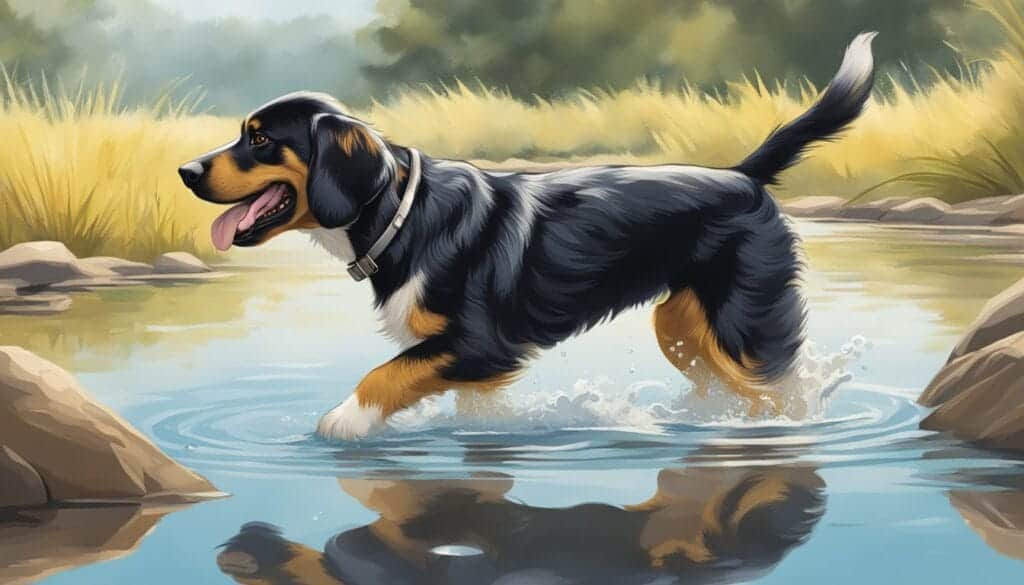
If you have access to a pool or a dog-friendly beach, swimming can be an excellent low-impact workout that’s easy on their joints and provides a refreshing way to stay active during warmer months.
Puzzles and Games
Just like their human counterparts, senior dogs can benefit from engaging their minds with puzzles and games.
Puzzle toys that dispense treats or require problem-solving skills can provide valuable mental stimulation and cognitive enrichment.
Don’t underestimate the power of nosework games, either! Encouraging your pup to use their natural scenting abilities can be a fun and rewarding activity that keeps their minds sharp and their tails wagging.


Socialization
Socialization is often overlooked when it comes to senior dogs, but it’s equally important for their mental and emotional well-being.
Regular interaction with humans and other friendly pets can help prevent loneliness, boredom, and cognitive decline.
Consider organizing playdates with well-behaved, gentle dogs or enrolling your pup in a senior-friendly obedience class.
Not only will these activities provide valuable socialization opportunities, but they’ll also help strengthen the bond between you and your furry companion.
Remember, the key to keeping your senior dog active and engaged is finding the right balance between physical and mental stimulation.
By tailoring activities to their specific needs and abilities, you can ensure their golden years are filled with joy, enrichment, and quality time together.
Managing Mobility Issues
As our canine companions age, it’s not uncommon for them to experience mobility challenges. Arthritis, joint issues, and general stiffness can make it difficult for our senior pups to navigate their environment with ease.
However, with a little creativity and the right tools, we can help ensure their comfort and maintain their quality of life.
Ramps and Steps
Have you ever noticed your old dog hesitating to jump onto the couch or struggling to climb into the car? Installing ramps or adding pet steps can be a game-changer in these situations.
Not only do these aids make it easier for your pup to access their favorite spots, but they also help prevent unnecessary strain and potential injuries.
Imagine the relief your furry friend will feel when they can easily climb onto the bed without having to make that awkward hop or jump. It’s like giving them a little boost, without compromising their independence or dignity.
Orthopedic Beds and Supports
Just like us humans, our senior dogs can benefit from a little extra support and cushioning, especially when it comes to their sleeping arrangements.
Orthopedic beds and supportive mats can help alleviate pressure points and provide much-needed relief for achy joints and muscles.
You might even consider investing in specialized orthopedic supports or braces for your pup’s specific needs. These can help distribute their weight evenly, reduce inflammation, and promote better mobility overall.
Handling and Lifting Techniques
As your senior dog’s mobility decreases, you may find yourself needing to lend a helping hand (or two) when it comes to assisting them with getting around.
However, it’s crucial to learn proper handling and lifting techniques to prevent injury to both you and your furry friend.
Consult with your veterinarian or a professional dog handler to learn the best methods for safely lifting and supporting your senior pup.
They can provide valuable guidance on proper body mechanics and techniques tailored to your dog’s specific needs.
Remember, managing mobility issues is all about adapting to your senior dog’s changing requirements and ensuring their comfort and well-being.
With a little creativity, patience, and the right tools, you can help them navigate their golden years with grace and ease.

Caring for Geriatric Dogs with Special Needs
As our beloved senior pets enter their golden years, they may develop special needs that require extra care and attention.
From vision and hearing loss to incontinence and cognitive issues, it’s essential to be prepared and equipped to provide the best possible support for our furry friends during this delicate stage of life.
Vision and Hearing Loss
Have you ever noticed your senior pup bumping into furniture or failing to respond to your calls? These could be signs of vision or hearing impairment, which are common challenges faced by aging dogs.
While these conditions can be frustrating for both you and your pup, there are steps you can take to make their environment more comfortable and safe.
For vision issues, consider using nightlights or adding contrasting colors to help them navigate their surroundings. You might also want to keep their living spaces clutter-free and consistent, avoiding unnecessary rearrangement of furniture.
If your pup is experiencing hearing loss, explore the use of hand signals, vibration collars, or even try stomping your feet to get their attention.
Remember, patience and understanding are key when communicating with a senior dog who may be struggling with sensory impairments.
Incontinence
Let’s be real – accidents happen, especially as our dogs age and their bladder control diminishes. While it can be frustrating to clean up messes, it’s important to remember that incontinence is not intentional and can be a sign of an underlying medical condition.
Work closely with your veterinarian to rule out any infections or other issues that may be causing the incontinence. They may recommend medications, dietary changes, or even doggy diapers to help manage the situation.
Patience and a positive attitude are essential when dealing with incontinence.
Remember, your senior pup isn’t doing it on purpose, and they need your love and support more than ever.
Cognitive Dysfunction
Just like humans, dogs can experience cognitive decline as they age. This can manifest in various ways, such as disorientation, forgetfulness, or even changes in personality and behavior.
If you notice your once-confident pup becoming anxious or confused, or if they seem to forget basic commands or routines, it’s essential to consult with your veterinarian.
They can help determine if cognitive dysfunction is the culprit and recommend appropriate treatments or management strategies.
Providing a stable, predictable routine and plenty of mental stimulation can help minimize the effects of cognitive decline.
Additionally, consider investing in pheromone diffusers or calming supplements to help ease anxiety and promote a sense of security for your senior pup.
Remember, caring for a geriatric dog with special needs requires patience, compassion, and a willingness to adapt.
By being proactive and working closely with your veterinarian, you can ensure that your furry friend’s golden years are as comfortable and enjoyable as possible.
Wrapping Up
As our senior pets age, their needs evolve, and it’s up to us as responsible pet owners to adapt and provide them with the care and support they deserve.
From low-impact exercises and mental stimulation to managing mobility issues and accommodating special needs, caring for a senior dog requires patience, creativity, and a whole lot of love.
Remember, our furry friends have been loyal companions throughout their lives, and it’s our turn to repay that devotion by ensuring their golden years are filled with comfort, security, and quality time together.
With the right tools, veterinary guidance, and a compassionate approach, we can make their twilight years truly golden.
So, let’s raise a (dog-friendly) glass to our senior pups – the ones who have brought us countless moments of joy, laughter, and unconditional love.
They deserve nothing less than our unwavering commitment to their well-being, and it’s up to us to make their golden years truly shine.