

All products are independently selected by our editors. If you buy something via the links on our site, we may earn an affiliate commission at no extra cost to you. Learn More >
Dogs fill many roles in our lives, from staying by our side at home to working in demanding jobs.
The main difference between a working dog and a pet dog is their purpose and training.
Working dogs might be involved in tasks like herding sheep, assisting police, or guiding the visually impaired. These tasks require specific skills and rigorous training.
Pet dogs, on the other hand, are usually companions that bring joy and comfort.
They might learn basic commands but don’t go through specialized training like working dogs do.
Understanding these differences helps us appreciate the unique contributions each type of dog makes to our lives.
Defining the Roles
Dogs can have different roles based on their skills and training. Their duties range from working in important jobs to being loving pets and providing companionship at home.
Working Dog Responsibilities
Different types of working dogs have important jobs and are trained to perform specific tasks.
Some common types include service dogs, therapy dogs, and those helping in farms or law enforcement. Each type of working dog is trained for a unique role.
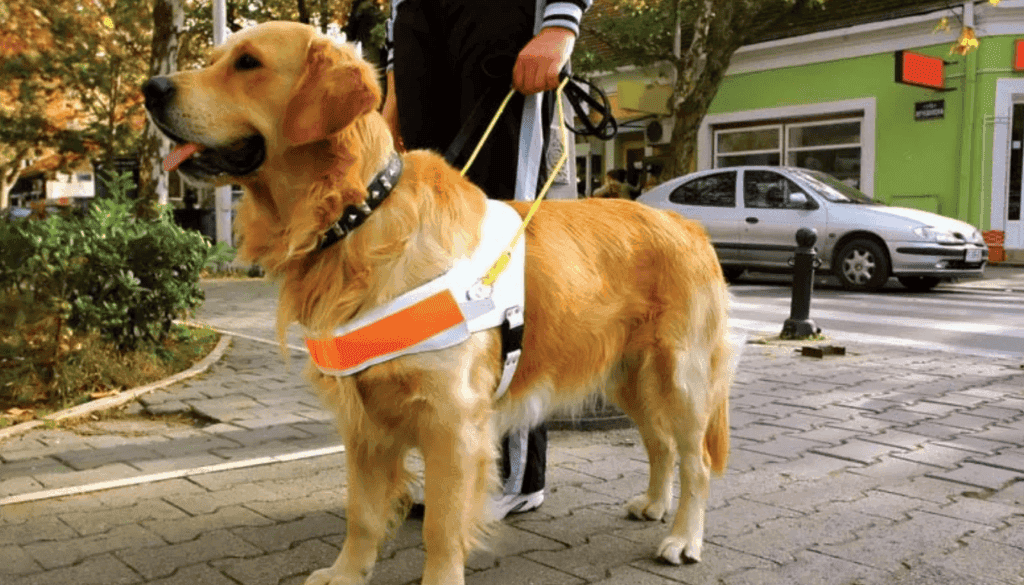
Service dogs assist people with disabilities. They help by guiding the visually impaired, alerting the deaf about sounds, or fetching items for those with mobility issues.
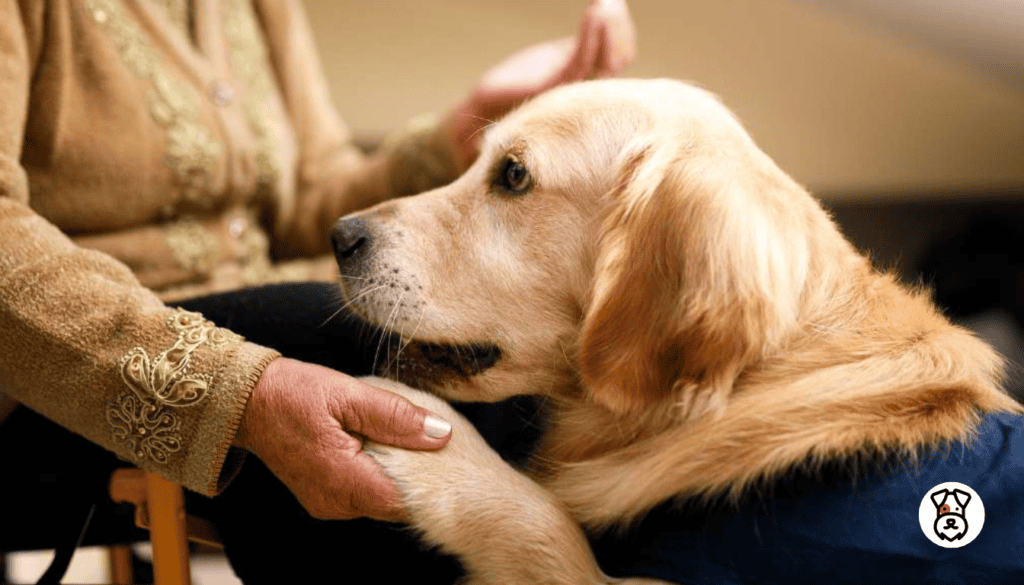
Therapy dogs visit hospitals and schools to provide comfort and support. Dogs in law enforcement or search and rescue are trained in detection, protection, and tracking.
Pet Dog Lifestyle

Pet dogs primarily serve as companions.
They’re part of the family, offering friendship and unconditional love.
They don’t have specific work duties like trained working dogs. Instead, pet dogs enjoy a more relaxed lifestyle, often focused on bonding with their owners.
Pet dogs need regular care, such as feeding, grooming, and exercise.
They thrive on interaction and playtime, which helps strengthen the bond they share with their humans.
They may not have the advanced training of working dogs, but they provide emotional support and joy.
Breed Characteristics and Selection
Selecting the right dog involves understanding breed-specific traits and choosing a dog that matches the intended role, whether as a working dog or a pet.
Factors like temperament, physical abilities, and needs play a crucial role in this important decision.
Breed-Specific Traits
Different dog breeds have unique traits that influence their capabilities and temperament.
For example, Border Collies are known for their intelligence and energy, making them excellent herding dogs. On the other hand, Golden Retrievers are friendly and sociable, fitting well as family pets or therapy dogs.
Working dogs usually have characteristics tailored to specific tasks.
Breeds like German Shepherds are often used in police work due to their strength and trainability. They need consistent training and mental stimulation to thrive in these roles.
In contrast, pet dogs, often referred to as companion dogs, might prioritize traits like companionship and adaptability.
Breeds like French Bulldogs are popular for families due to their affectionate nature and lower exercise needs.
Understanding these differences helps in selecting the right breed for each purpose.
Choosing the Right Dog for the Job
When choosing a dog, it’s vital to match the breed’s traits with the job it will perform.
If you need a guard dog, a Rottweiler or Doberman Pinscher might be suitable due to their protective instincts. These breeds often excel in roles that require alertness and courage.
For search and rescue missions, Labrador Retrievers are a top choice.
Their keen sense of smell and agility make them ideal for tracking and retrieving tasks.
It’s important to consult with knowledgeable breeders who can guide the selection process based on experience and expertise.
Consider the dog’s lifestyle needs as well.
A working dog may require ample space and regular, rigorous exercise, while a pet dog might adapt better to urban living.
Aligning breed characteristics with specific needs ensures a happier and more successful human-dog relationship.
Training and Temperament
When it comes to training and temperament, working dogs and pet dogs differ significantly.
Working dogs often undergo specialized training and exhibit characteristics that make them suited for specific tasks.
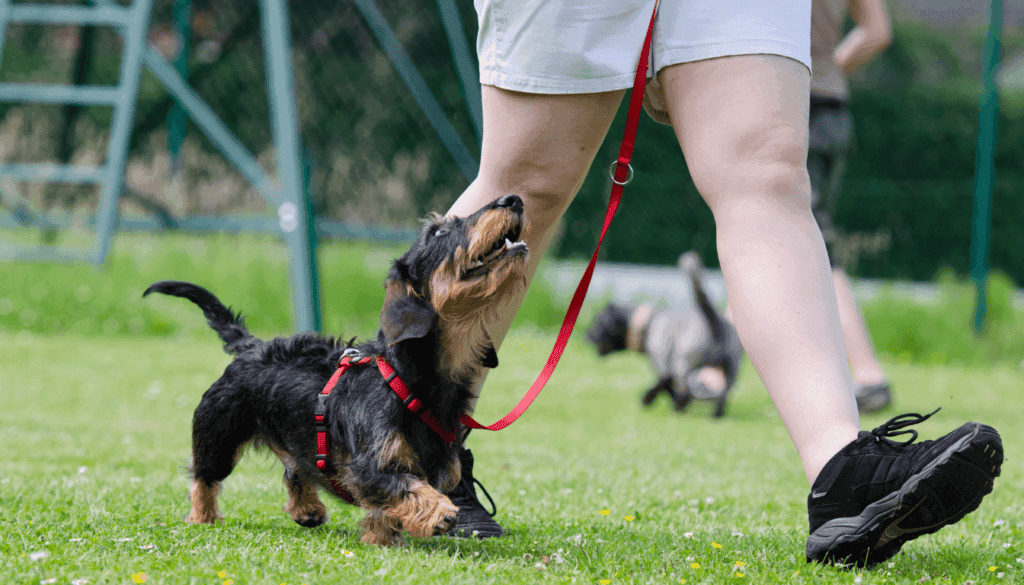
Pet dogs, on the other hand, are generally trained for basic obedience and socialization. Their temperaments can vary widely based on breed and individual personality.
Professional Training for Working Dogs
Working dogs receive professional training tailored to their roles.
This often includes obedience training that goes beyond simple commands.
Some are trained for search and rescue, while others might focus on detecting scents or herding livestock.
Regular interaction with a handler is key. During training, they learn to follow commands under pressure.
Examples of working dog professions include police dogs and therapy dogs.
Specific programs are designed for different types of work, such as:
- Guide dogs for the visually impaired
- Scent-detection dogs for law enforcement
- Herding dogs for farming
These programs emphasize skills like focus, consistency, and quick response to commands.
Temperament Differences
The temperament of working dogs often includes traits like high energy levels, strong motivation, and discipline.
They are usually bred to be alert and responsive. This makes them excellent for roles requiring patience and persistence.
Working dogs may also exhibit independence, as they often need to make quick decisions.
Meanwhile, pet dogs vary in temperament, often influenced by their living environment.
Social pets like Golden Retrievers show friendly and warm behavior. In contrast, more reserved breeds may take time to bond with strangers.
Each dog’s temperament can also be influenced by their upbringing, early socialization, and training methods.
Understanding these differences helps in selecting the right type of dog for one’s lifestyle.
Socialization and Domestic Behavior
Socialization is crucial for both working and pet dogs.
It involves exposing them to various environments, sounds, and situations. This helps working dogs remain calm during tasks, and pet dogs behave well in a home setting.
Working dogs often experience more structured social environments, focusing on teamwork with their handlers. This ensures they don’t get distracted easily during work.
Pet dogs, meanwhile, benefit from daily interaction with family members.
This interaction builds trust and strengthens their bond with humans.
They may engage in playful activities or dog sports, which enhances their learning and adaptability.
Through consistent socialization, both working and pet dogs can develop good manners and adapt well to their respective roles.
Roles in Human Society
Dogs play different roles in people’s lives. While some dogs work hard to help and protect us, others are there to offer companionship and joy.
Working Dogs in Service and Protection
Working dogs have a big part in helping humans.
Service dogs are specially trained to help people with physical needs. For example, they might help someone who can’t see by guiding them safely through the streets.
Police dogs are trained to help officers catch criminals or find missing people with their powerful sense of smell.
Some working dogs also take part in search and rescue missions.
They can find lost people under rubble or in the wilderness. Their skills are irreplaceable, and they are often heroes in dangerous situations.
Therapy dogs offer comfort in hospitals or nursing homes, lending a paw to those who need it most.
Pets as Family Companions
Pets are much more than cute faces—they are family.
Unlike working dogs, they live mostly for companionship and love. They greet you joyfully when you come home and provide comfort during sad times.
Dogs, in particular, thrive on being part of the family. They love playing fetch, going on walks, or just sitting at your feet.
Their presence can reduce stress and make you laugh with their silly antics.
For many, pets offer a sense of purpose by needing care and affection.
Providing companionship, they boost spirits and fill homes with unconditional love every single day.
Families often can’t imagine life without their four-legged companions.
Wrapping Up
The difference between working dogs and pet dogs often comes down to their tasks and roles in our lives.
Working dogs have jobs to do, like herding, guarding, or assisting people with disabilities.
In contrast, pet dogs are companions and part of the family. They may not have specific duties, but they bring joy and companionship.
Both types of dogs offer unique benefits and experiences.
Whether it’s a working dog or a pet dog, they both form strong bonds with humans.
Each type of dog deserves love, care, and understanding to thrive in its role.
The relationship between humans and dogs is special, no matter what tasks they perform.


Just came upon your wonderful blog about ways to keep a beloved, precious puppy dog angel happy and healthy.
So I want to keep connected with you. Looking forward to it! Thank you!
Welcome! Glad you enjoy the content – make sure to follow us on Facebook too.