All products are independently selected by our editors. If you buy something via the links on our site, we may earn an affiliate commission at no extra cost to you. Learn More >
Leaving a dog alone for long periods can be hard on both the pet and its owner. Some dog breeds are more prone to anxiety and other issues when left alone.
Knowing which breeds require more attention can help prevent these problems and keep your dog happy and healthy.
This article explores dog breeds that don’t cope well with being left alone. This can help you make informed decisions if you are considering adopting a dog.
Let’s take a look!
1. Labrador Retriever

Labrador Retrievers are one of the most popular dog breeds. Known for their friendly and outgoing nature, they enjoy being around people and other animals. This breed is highly social and thrives on interaction.
Labs are known for their intelligence and high energy levels. They require regular physical activity and mental stimulation. Without these, they can become bored and destructive.
Leaving a Labrador alone for long periods can lead to loneliness and separation anxiety. They may chew on furniture, dig, or bark excessively when left alone for too long.
Regular walks, playtime, and attention are essential for keeping a Labrador happy. They excel in activities like fetch, swimming, and agility training.
If you work long hours, a dog sitter or daycare can be beneficial for this breed. Labradors respond well to training and enjoy learning new tricks and tasks.
Maintaining a routine can help ease their anxiety. Consistently scheduled feeding, walks, and playtime provide structure and security for them.
Labrador Retrievers are great family dogs, but they need companionship and a stimulating environment to thrive.
2. Golden Retriever
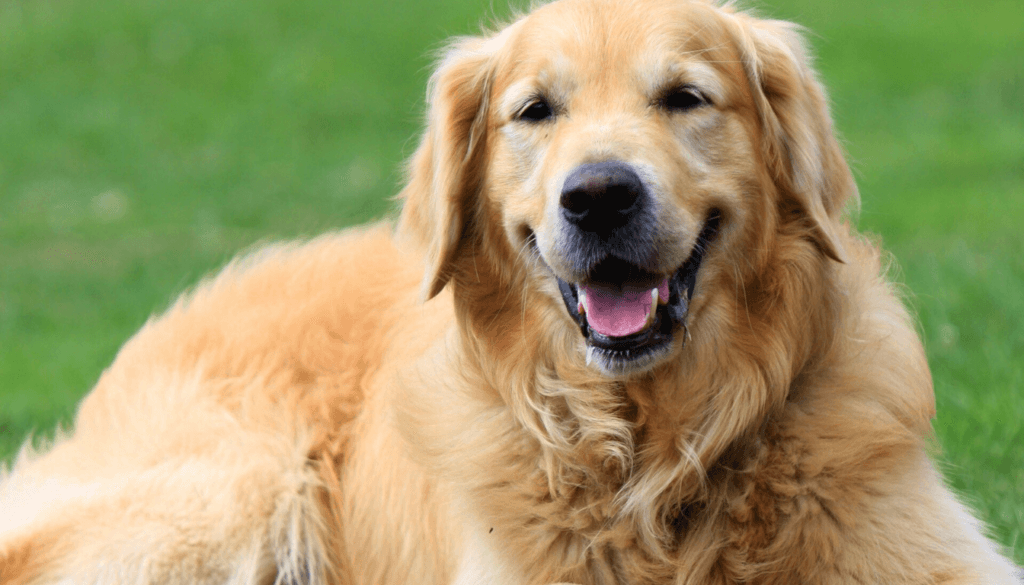
Golden Retrievers are known for their friendly and affectionate nature. They thrive on human companionship and can get very lonely if left alone for long periods.
This breed is highly social and loves being around family members. They enjoy activities like playing fetch, going for walks, and participating in family outings. When left alone, they may develop separation anxiety, leading to destructive behaviors like chewing on furniture or digging in the yard.
Golden Retrievers need mental stimulation and physical exercise to stay happy and healthy. Puzzle toys, interactive games, and regular training sessions can help keep their minds engaged.
These dogs form strong bonds with their owners. They may become depressed or anxious if left alone too often. Regular interaction with family members and other dogs can help maintain their well-being.
If you work long hours, consider hiring a dog walker or using doggy daycare services. Having a companion, whether human or another pet, can make a big difference for a Golden Retriever.
3. French Bulldog

French Bulldogs are charming and affectionate dogs. They love being with their families and enjoy social interactions. These dogs are known for their friendly nature and strong bonds with their owners.
When left alone for long periods, they can become anxious or bored. This can lead to destructive behaviors like chewing on furniture or excessive barking. They need attention and companionship to stay happy and healthy.
French Bulldogs also have a short snout, making it harder for them to regulate their body temperature. They shouldn’t be left alone in hot environments. Keeping them in a cool, shaded space is crucial, especially in warmer months.
4. Cavalier King Charles Spaniel

Cavalier King Charles Spaniels are known for their friendly and affectionate nature. They love being around people and can become quite attached to their owners. Their small size and gentle temperament make them ideal companions for families.
These dogs thrive on human interaction. They enjoy being part of daily activities and can get anxious if left alone for too long. Separation anxiety is common with this breed. They may resort to destructive behaviors like chewing or barking to cope with loneliness.
Cavaliers do well in households where someone is usually home. They appreciate short walks and play sessions but need plenty of cuddle time. If you work long hours, this breed might not be the best fit unless you can arrange for regular company or doggy daycare.
5. Doberman Pinscher
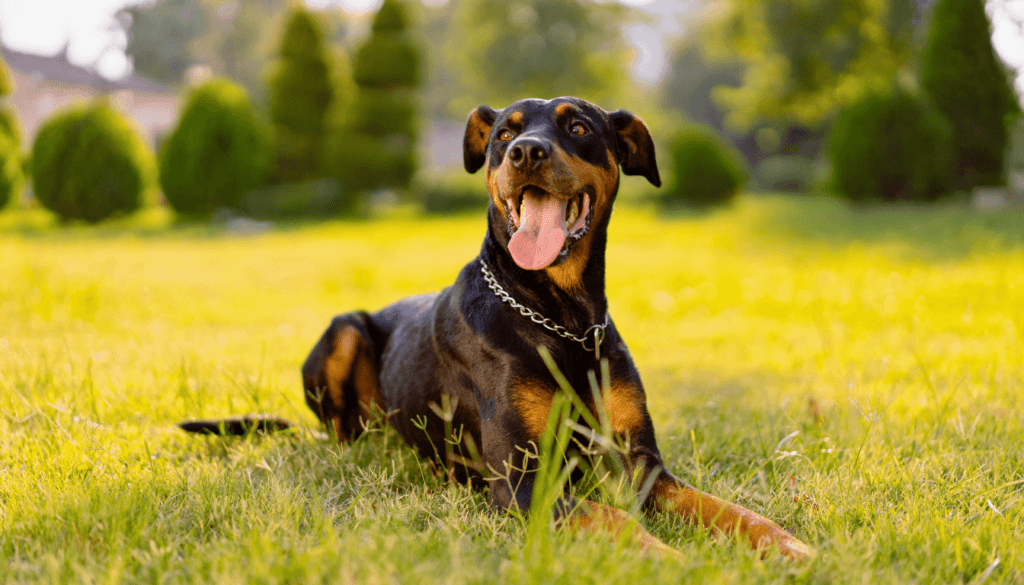
The Doberman Pinscher is known for being a protective and loyal breed. They form strong bonds with their family members. Because of this deep connection, they don’t do well when left alone for long periods.
Dobermans are intelligent and energetic dogs. They need both mental and physical stimulation to stay happy. When left alone, they might get bored easily, leading to destructive behavior.
This breed thrives on companionship and interaction. If you have to leave a Doberman alone, it’s important to provide toys and activities to keep them occupied. Regular exercise is also crucial for their well-being.
Dobermans can develop separation anxiety if they are left alone too often. This can result in symptoms like excessive barking, chewing, or trying to escape. They need a household where someone is present most of the time.
Overall, Dobermans are best suited for families or individuals who can spend a lot of time with them. They are wonderful pets for those who are home often and can provide the necessary attention and care.
6. Border Collie
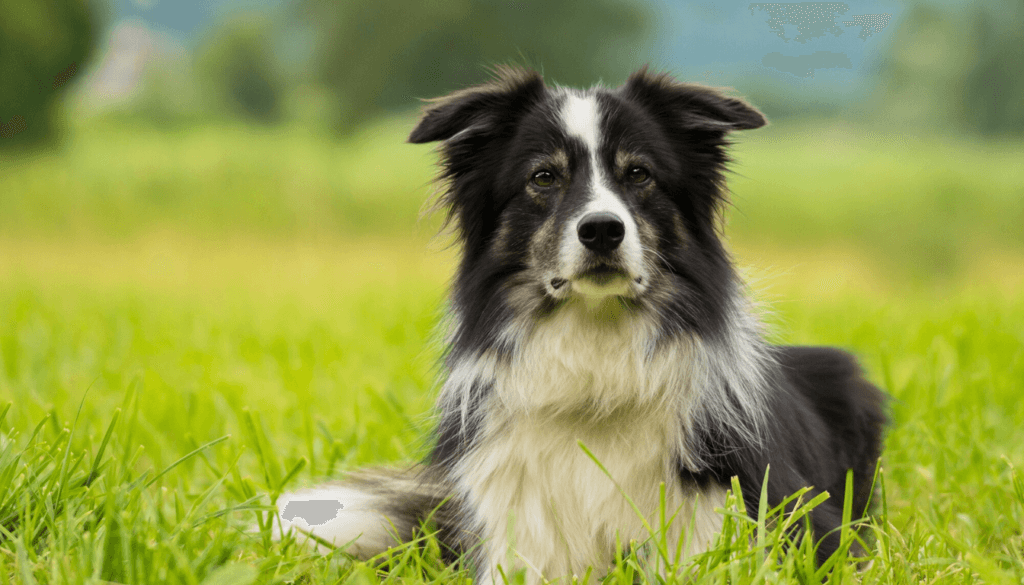
Border Collies are highly intelligent dogs known for their energy and work ethic. They originated as herding dogs, so they have a natural instinct to stay active and alert. Because of their high energy levels, they need lots of exercise and mental stimulation.
Leaving a Border Collie alone for long periods can lead to boredom. When they get bored, they may become destructive, chewing on furniture or digging in the yard. They may also develop separation anxiety, which can lead to barking, whining, and other signs of stress.
A Border Collie thrives when given tasks to do. This could be in the form of agility training, playing fetch, or learning new tricks. They enjoy having a job to focus on and will excel with positive reinforcement.
Border Collies are also very social animals. They bond closely with their families and enjoy being part of daily activities. If left alone for too long, they can feel isolated and lonely, which is not good for their mental health.
So, if you have a busy lifestyle and can’t be home often, a Border Collie might not be the best fit. But if you can provide plenty of exercise, mental challenges, and companionship, a Border Collie can be a wonderful and loyal pet.
7. German Shepherd
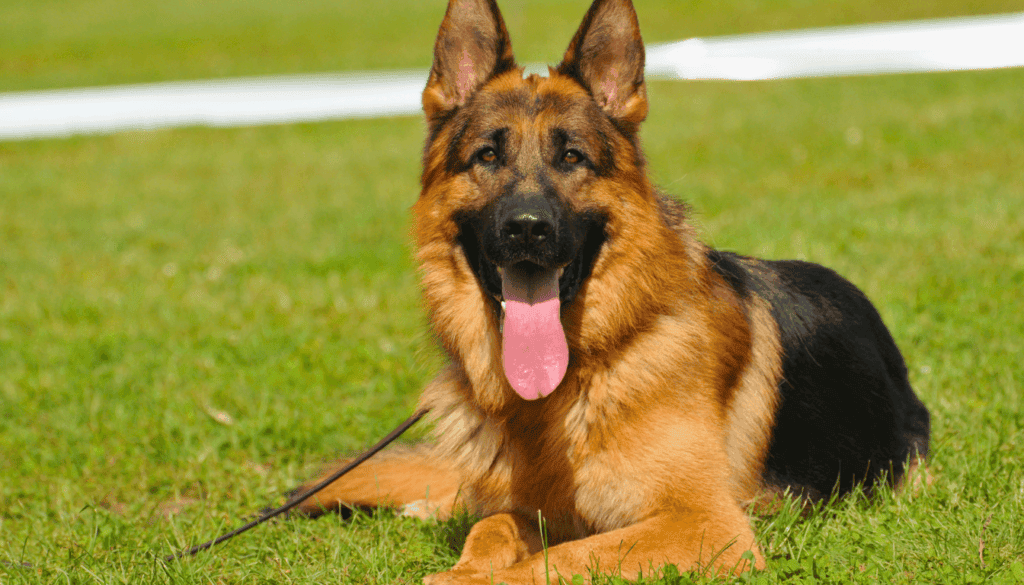
German Shepherds are known for their intelligence and loyalty. They are often used as police dogs and service animals. This breed needs a lot of mental stimulation and physical exercise.
They form strong bonds with their families. Leaving them alone for long periods can lead to separation anxiety. This may cause them to chew on furniture or bark excessively.
These dogs thrive in active households. They enjoy activities like hiking, running, and playing fetch. If you work long hours, they may not be the best choice.
Owners of German Shepherds should consider a doggy daycare or hiring a dog walker. This will help keep their minds occupied and reduce anxiety. Keep them engaged to ensure a happy, healthy dog.
8. Poodle
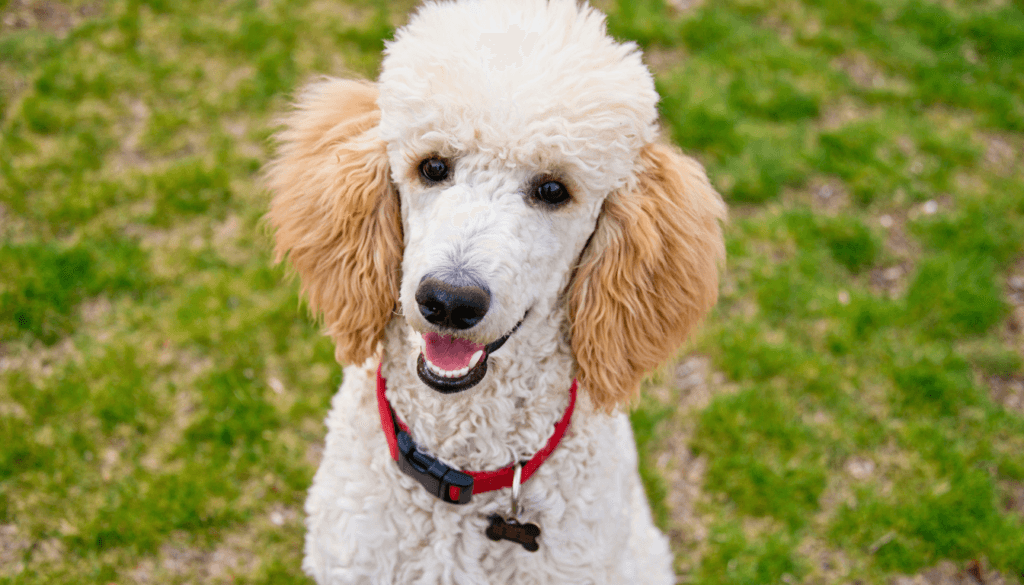
Poodles are smart and need mental stimulation. They can get bored easily if left alone for long periods. This can lead to destructive behavior.
These dogs thrive on companionship. They love being with their families and are very social. Being left alone can make them feel anxious and lonely.
Training and activities help keep a Poodle busy. Puzzle toys and regular exercise can make a big difference. Engaging their mind and body is key.
Overall, Poodles need attention and care. Leaving them alone too much can affect their well-being. They are happiest when they are part of the family’s daily life.
9. Boxer
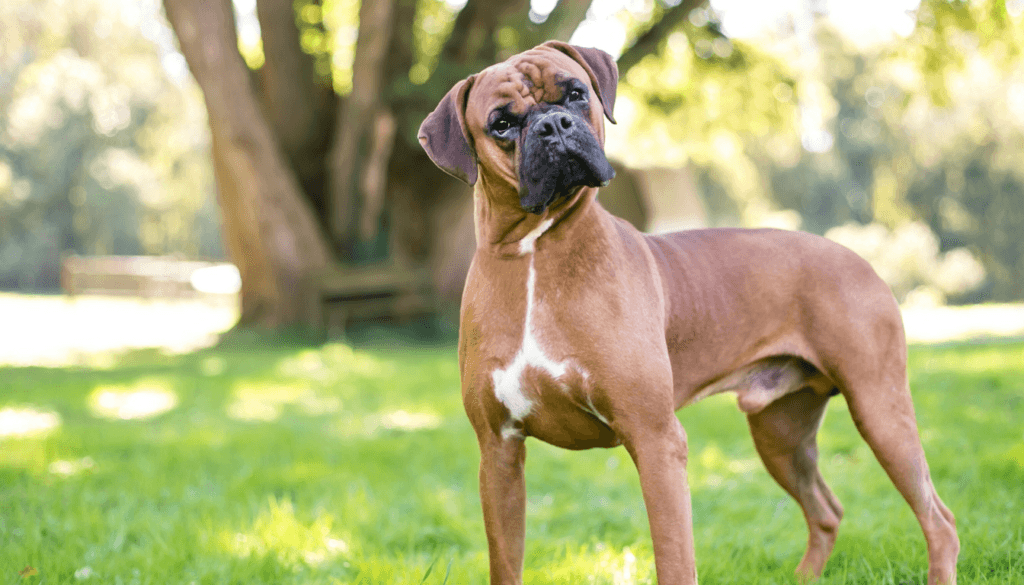
Boxers are known for their energy and playful nature. They are full of life and love to be active. This breed thrives on human interaction and can get lonely if left alone for too long.
Boxers need regular exercise to stay healthy and happy. They enjoy walks, runs, and playtime. Being cooped up without activity can make them anxious and destructive.
Since Boxers are social dogs, they bond closely with their families. Leaving them alone for extended periods can lead to behavioral problems. It’s essential to provide them with companionship and stimulation.
Boxers are also intelligent and respond well to training. They need mental challenges to keep their minds sharp. Puzzles, games, and training sessions can help.
If you have a busy lifestyle, consider if you can meet a Boxer’s needs. They do best in homes where someone is around most of the time. Make sure they have plenty of interaction, exercise, and mental engagement.
10. Bichon Frise
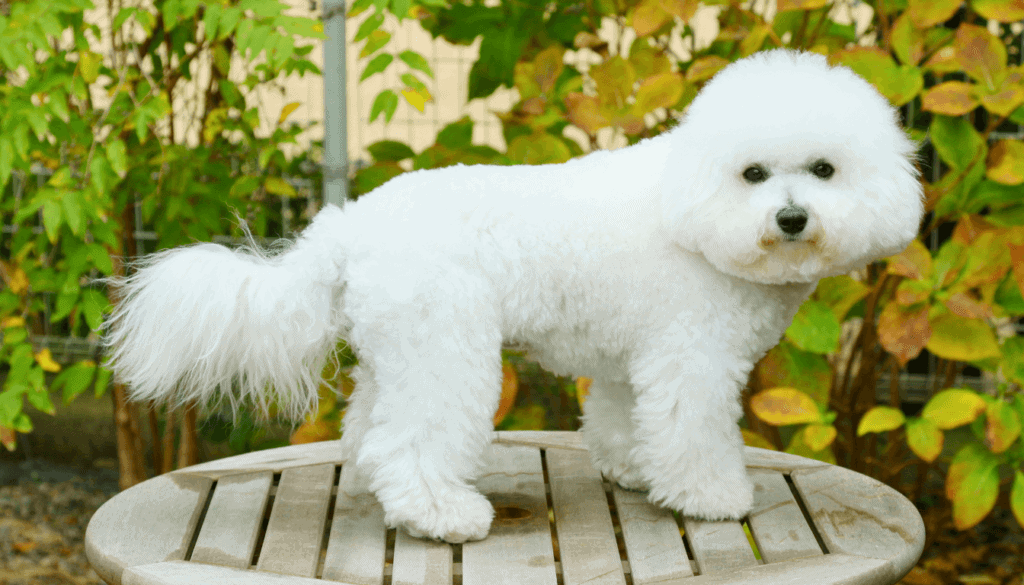
The Bichon Frise is a small, fluffy dog known for its cheerful personality and love of company. They thrive on human interaction and can get lonely when left alone for long periods. If you’re someone who spends a lot of time away from home, this breed might not be the best match.
Bichon Frises are playful and energetic. They need regular play and exercise to stay happy. A bored Bichon can become anxious or start to develop bad habits like chewing on furniture. They do best in homes where someone is around to keep them company.
These dogs are also known for their intelligence. They enjoy learning new tricks and need mental stimulation to stay engaged. Daily training sessions or puzzle toys can help, but their true happiness comes from being close to their family.
11. Staffordshire Bull Terrier
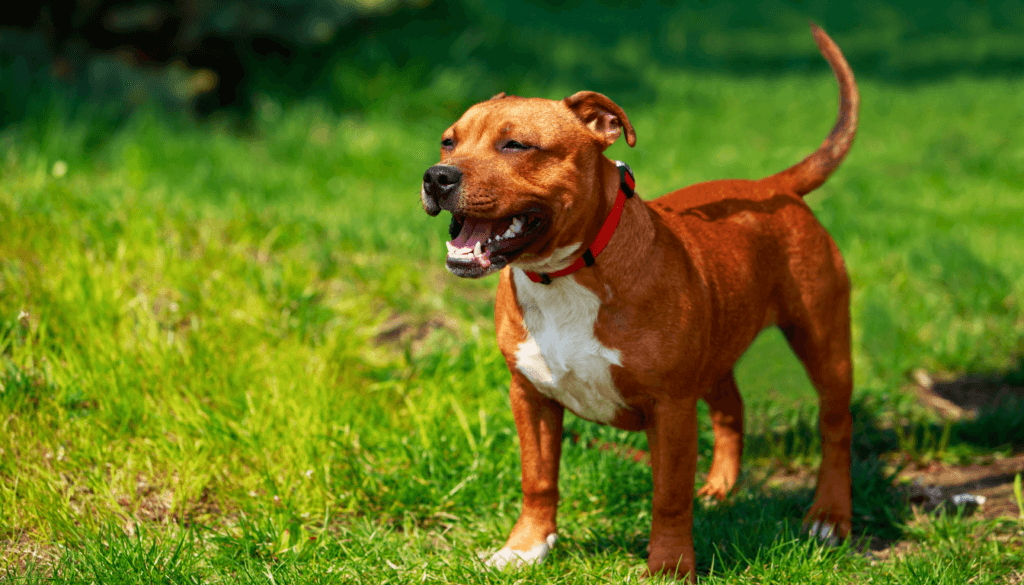
Staffordshire Bull Terriers are known for their energy and playful nature. They form strong bonds with their owners and enjoy being around people. This breed craves companionship.
Leaving a Staffordshire Bull Terrier alone for long periods can lead to anxiety and destructive behavior. They might chew on furniture or belongings to cope with their loneliness.
Staffies need regular exercise and mental stimulation. Lack of activity can make them restless and unhappy. Interactive toys and puzzles can help keep them engaged when you’re not around.
They also thrive on positive reinforcement and training. Consistency and patience are key to raising a happy and obedient Staffordshire Bull Terrier. Regular socialization with other dogs and people is important.
If you often have to leave home for long hours, it might be good to consider another breed. Alternatively, arranging for a dog walker or pet sitter can help meet their needs.
12. Australian Shepherd
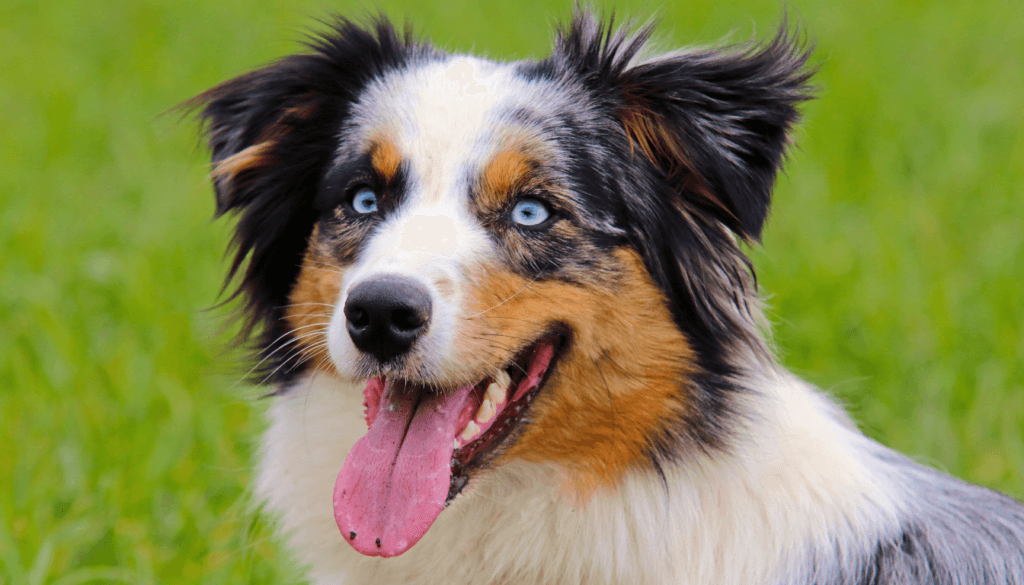
The Australian Shepherd is an intelligent and energetic dog breed. They were originally bred to herd livestock, so they have a lot of energy and need a job to do.
These dogs are very loyal and love being with their family. If left alone for too long, they can become anxious or bored. This can lead to destructive behavior, like chewing on furniture or digging.
Australian Shepherds also need a lot of physical and mental exercise. Long walks, playtime, and puzzle toys can help keep them happy.
Because of their high energy and need for companionship, it’s best if they have someone around most of the time. If you’re gone a lot, this breed might not be the best choice for you.
In short, Australian Shepherds thrive on activity and don’t do well when left alone for long periods.
Behavioral Challenges of Leaving Dogs Alone
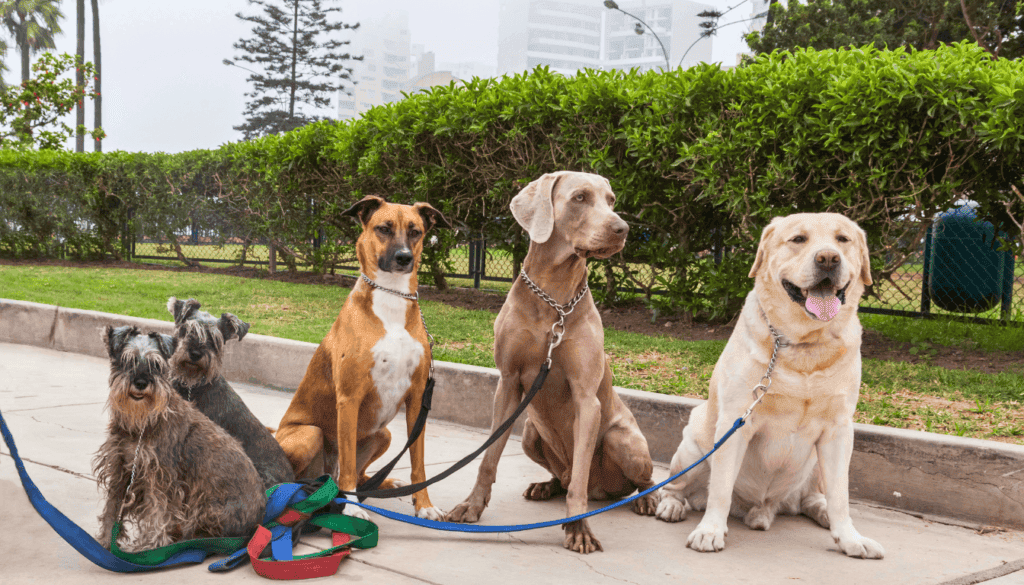
Dogs left alone for long periods often face emotional and behavioral issues. These can manifest in two main ways: anxiety and destructive tendencies.
Separation Anxiety
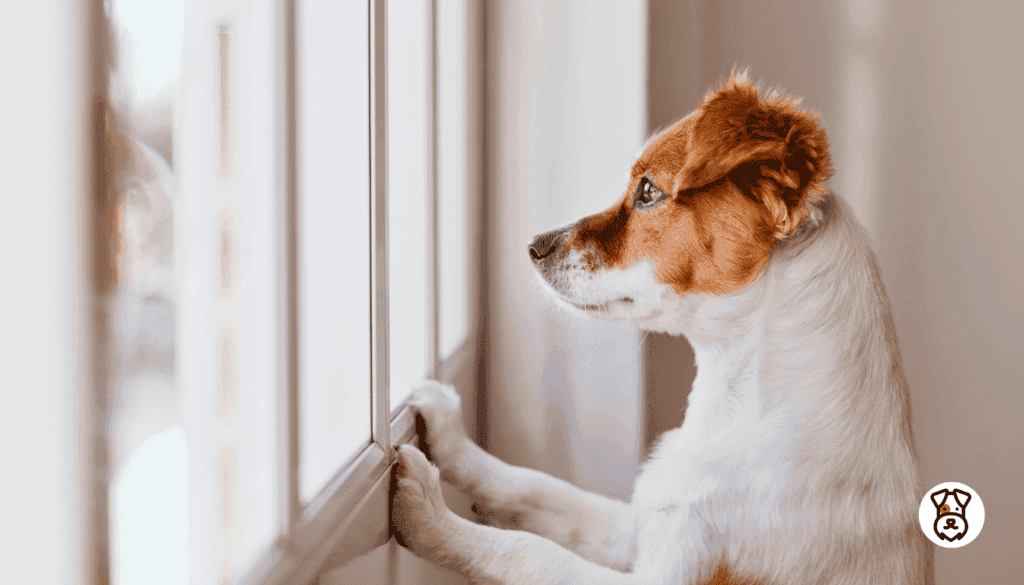
Separation anxiety occurs when dogs become very anxious when their owners leave. This can cause them to bark excessively, whine, or pace around. They may even refuse to eat or drink until someone returns.
Dogs with separation anxiety might try to escape their homes, leading to potential injury.
They can become overly attached to their owners, following them around constantly and showing signs of distress when they feel their owner is about to leave.
Veterinarians or professional trainers often recommend specific techniques or medications to help dogs with separation anxiety.
Behavior modification and consistent routines can also make a big difference.
Destructive Behavior
When dogs are left alone for too long, they might resort to destructive behavior. This includes chewing on furniture, shoes, or other household items.
Digging and scratching at doors or windows are also common.
Such behaviors are often a sign that the dog is bored or stressed. Ensuring they have enough physical exercise and mental stimulation can mitigate these actions.
Providing chew toys or puzzle feeders can keep dogs busy while their owners are away.
Crate training may also help reduce destructive tendencies. It’s crucial to address these behaviors early to prevent long-term damage to the home and maintain a happy, healthy pet.
My Strategies to Keep Dogs Occupied
Keeping dogs entertained while you’re away is essential to prevent anxiety and boredom.
The right strategies can make a big difference.
Interactive Dog Toys
Interactive toys are a great way to keep dogs engaged. Puzzle toys, for instance, challenge dogs to work for their treats, stimulating their minds. Kong toys can be filled with food, providing both mental and physical stimulation as dogs figure out how to get the treats out.
Another option is automatic ball launchers. These are perfect for dogs who love to fetch and can play with minimal supervision.
Chew dog toys are also important. They help satisfy a dog’s natural urge to chew and can keep them busy for hours. When choosing toys, make sure they are durable and safe for your dog.
Dog Sitting Services
Pet sitting services can be a wonderful way to ensure dogs get the attention they need. Professional pet sitters can visit your home and provide playtime, walks, and feeding. This personal attention can be comforting to dogs who may experience separation anxiety.
Another option is doggy daycare. These facilities offer a chance for dogs to socialize and play with other dogs under supervision. It’s a great way to keep them occupied and active throughout the day.
Hiring a neighbor or friend to check in on your dog can also be a good alternative. They can provide a brief visit to break up the dog’s day, offering some companionship and a chance to go outside.
Training Tips to Reduce Loneliness
Training your dog to handle being alone involves patience and consistency. Gradual desensitization and positive reinforcement are key methods to ease your pet’s anxiety.
Gradual Desensitization
Gradual desensitization helps dogs get used to being alone for short periods and then longer durations. Start by leaving your dog alone for just a few minutes.
Come back before they get anxious. Slowly increase the time you are away.
Create a comfortable, safe space for them with their favorite toys and a cozy bed. Consistency is important. Stick to a routine so your dog knows what to expect.
Short practice sessions reduce stress. Over time, your dog will become more comfortable with your absence.
Positive Reinforcement
Positive reinforcement involves rewarding your dog for calm behavior when you return. Use treats and praise to show that being alone is okay.
Give your dog a treat every time you leave to create positive associations. Upon returning, offer another treat and lots of affection if they behave well.
Interactive toys and puzzles can keep them busy while you are gone. They provide mental stimulation and can reduce feelings of loneliness.
Wrapping Up
Anyone considering adopting a dog should think about how much time they can spend with their pet.
Certain breeds need more companionship than others. Some dogs may become anxious or bored if left alone for too long. This can lead to destructive behavior and stress.
Taking the time to choose the right breed can make a big difference. It’s important to pick a dog that matches your lifestyle. By doing this, owners and dogs can live happier lives together.
In short, understanding the needs of these breeds ensures they stay healthy and happy. It’s all about finding that perfect match and ensuring that our furry friends get the attention they deserve.