All products are independently selected by our editors. If you buy something via the links on our site, we may earn an affiliate commission at no extra cost to you. Learn More >
Have you ever caught your furry friend lying flat on their belly with their legs stretched out behind them? That’s splooting!
I’ve seen countless pups strike this adorable pose. It’s not just cute; it’s a natural behavior that serves several purposes.
From cooling down to stretching out, splooting is a common sight in many dog breeds.
In this post, I’ll introduce you to 12 dog breeds that are particularly fond of this quirky position.
Get ready to learn why your four-legged pal might be embracing their inner frog!
What Is Splooting?
Let’s unpack this adorable canine behavior! Splooting is when a dog lies flat on their belly with their hind legs stretched out behind them.
It’s as if they’re trying to hug the floor with their entire body.
Definition of Splooting
Splooting comes in a few flavors. The classic “full sploot” is when both back legs are stretched out, making your pup look like a furry pancake.
Then there’s the “side sploot,” where one leg is tucked in and the other is stretched out.
It’s like your dog is striking a casual pose for a photoshoot!
Interestingly, dogs aren’t the only splooters in the animal kingdom. Cats and rabbits are known to strike this pose too.
So if you see your kitty or bunny stretched out like a fuzzy ruler, you can impress your friends by calling it a sploot!
So, Why Do Dogs Sploot?
Now, you might be wondering, “Why on earth does my dog do this?” Well, there are a few reasons:
- Flexibility: Splooting is a great stretch for your dog’s hips and legs. It’s like doggy yoga!
- Temperature regulation: On a hot day, pressing their belly against a cool floor can help your pup chill out. It’s their version of sprawling on the kitchen tile during a heatwave.
- Comfort and relaxation: Sometimes, it just feels good! Think of it as the canine equivalent of us flopping onto the couch after a long day.
Remember, every dog is unique. Some may sploot daily, while others might never do it.
As long as your furry friend seems comfortable and happy, there’s usually no need to worry about this quirky behavior.
12 Dog Breeds Known for Splooting
Now that we’ve covered the ins and outs of splooting, let’s meet some of the canine world’s most accomplished splooters.
While any dog can sploot, these breeds have turned it into an art form!
1. Corgis: The Kings of Splooting
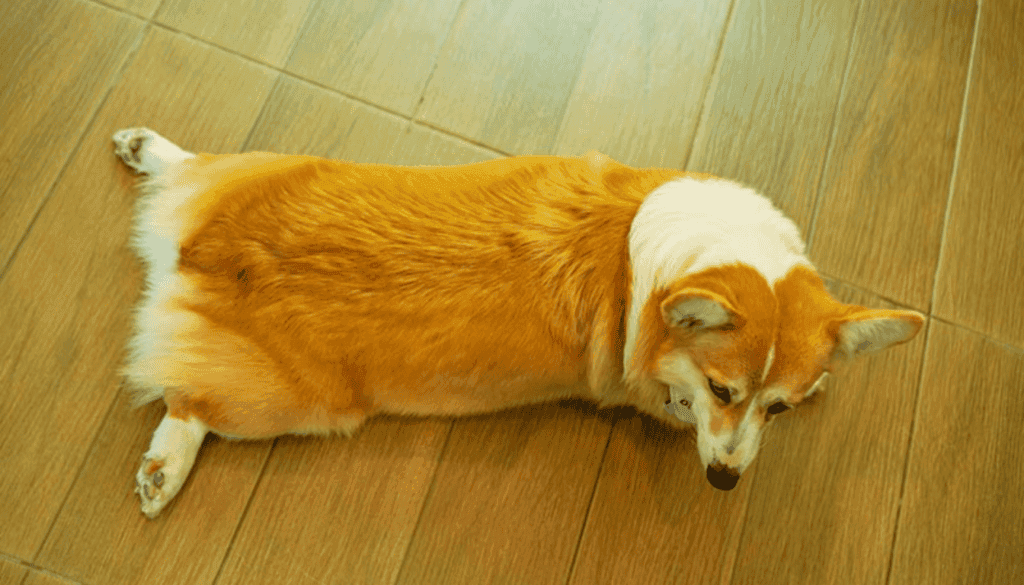
Corgis are the undisputed champions of the sploot world. With their long bodies and short legs, they’re built like furry locomotives.
When a Corgi splays out, it’s like watching a fluffy ruler measure the floor. Their propensity for splooting isn’t just cute – it’s a great way for them to stretch out those adorable stumpy legs!
2. French Bulldogs: Flat and Fabulous
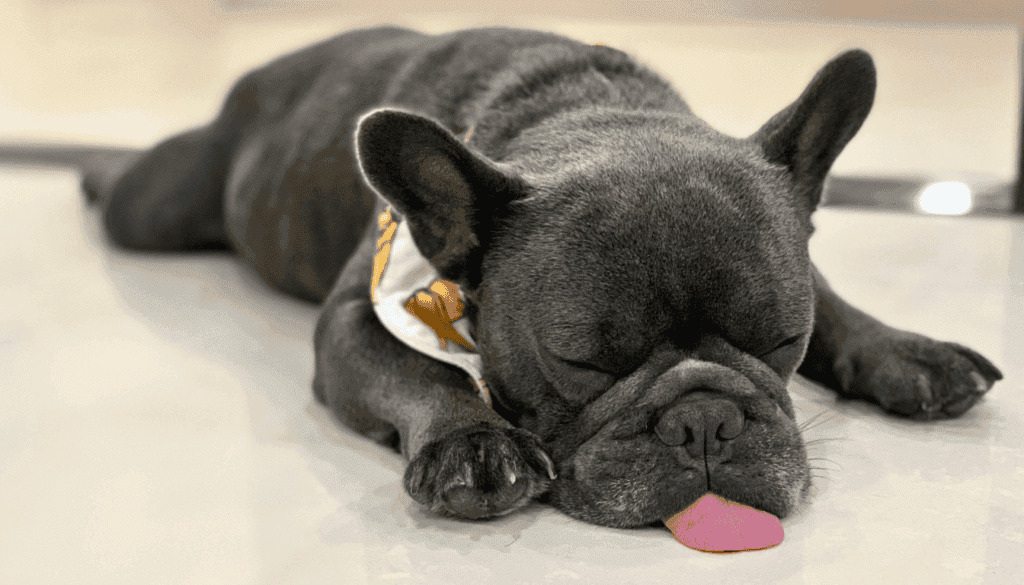
Frenchies are natural-born splooters. Their compact bodies and muscular build make them look like adorable little frogs when they sploot.
It’s not uncommon to find a French Bulldog sprawled out, enjoying the cool floor on a warm day. They’ve mastered the art of looking both dignified and utterly relaxed at the same time.
3. Pugs: Compact Splooting Experts
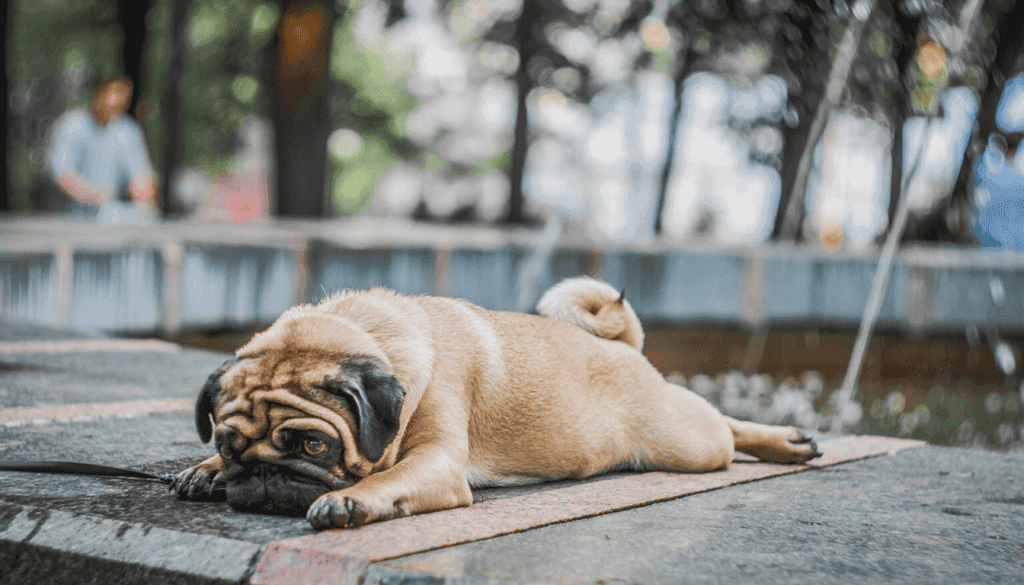
Don’t let their wrinkly faces fool you – Pugs are surprisingly flexible! These little dogs can often be found in a full sploot, their curly tails wagging happily.
It’s like they’re trying to hug the entire floor with their tiny bodies. Pugs splooting is a sight that never fails to bring a smile to my face.
4. Dachshunds: Long-bodied Splooters

With their elongated bodies and short legs, Dachshunds are built for splooting. When a Dachshund splays out, it’s like watching a living, breathing hot dog bun on the floor.
Their unique shape allows them to stretch out impressively, often looking twice their normal length!
5. Labrador Retrievers: Surprising Splooters

Labs might not be the first breed you think of when it comes to splooting, but these athletic dogs can certainly hold their own.
Their muscular build allows them to stretch out comfortably, often after a long play session. It’s their way of saying, “I’m pooped, but I’m comfy!”
6. German Shepherds: The Elegant Sploot
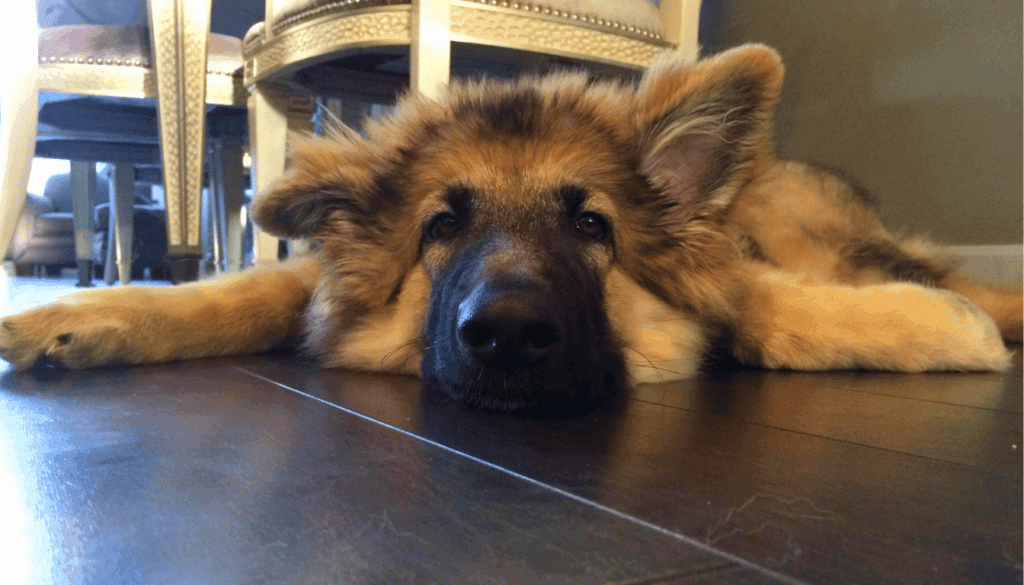
German Shepherds bring a touch of grace to their sploots. With their long, athletic bodies, they can stretch out impressively.
It’s not uncommon to see a German Shepherd cooling off in a sploot after a vigorous training session or play time.
7. Chihuahuas: Tiny but Mighty Splooters
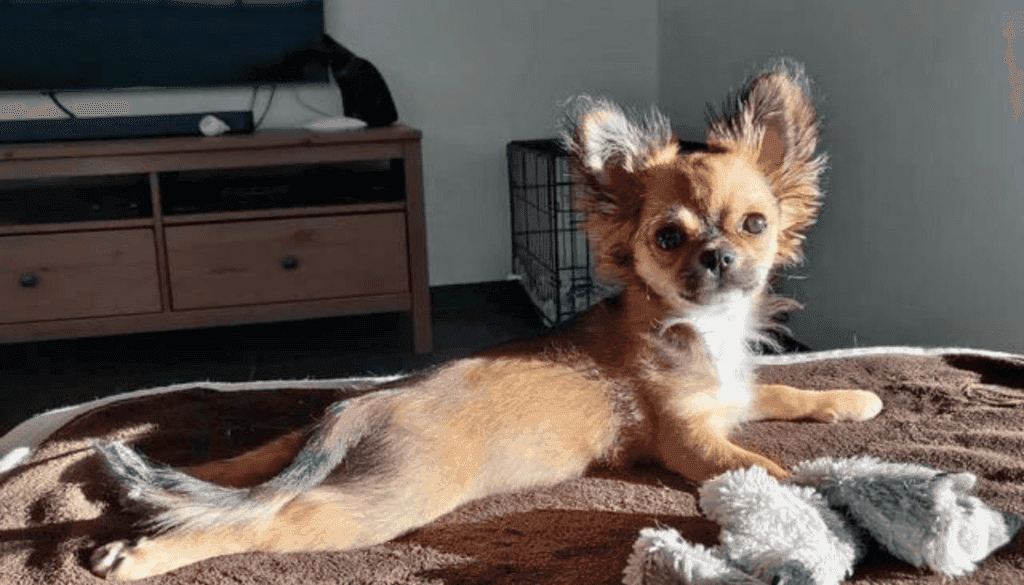
Don’t let their size fool you – Chihuahuas can sploot with the best of them! These pint-sized pups often sprawl out, looking like tiny sunbathers on the beach.
It’s adorable to see such a small dog take up so much space when they sploot.
8. Siberian Huskies: Snow Dogs That Sploot

Huskies are known for their love of cold weather, but they’re not shy about splooting to cool down. Their thick fur coats make them prone to overheating, so a good sploot on a cool surface can be just what they need.
It’s like watching a fluffy snow angel in the making!
9. Shiba Inus: The Fox-like Splooters

With their fox-like appearance, Shiba Inus bring a touch of wilderness to the sploot game. Their agile bodies allow them to transition smoothly from active play to a relaxed sploot.
It’s not unusual to see a Shiba strike a perfect sploot pose after a good romp in the park.
10. English Bulldogs: Chunky Sploot Champions

English Bulldogs might look tough, but they’re softies when it comes to splooting. Their stocky bodies and short legs make for some impressive spreads.
An English Bulldog in full sploot mode looks like a happy, wrinkly pancake with a face!
11. Pitbulls: Muscular Splooting Machines
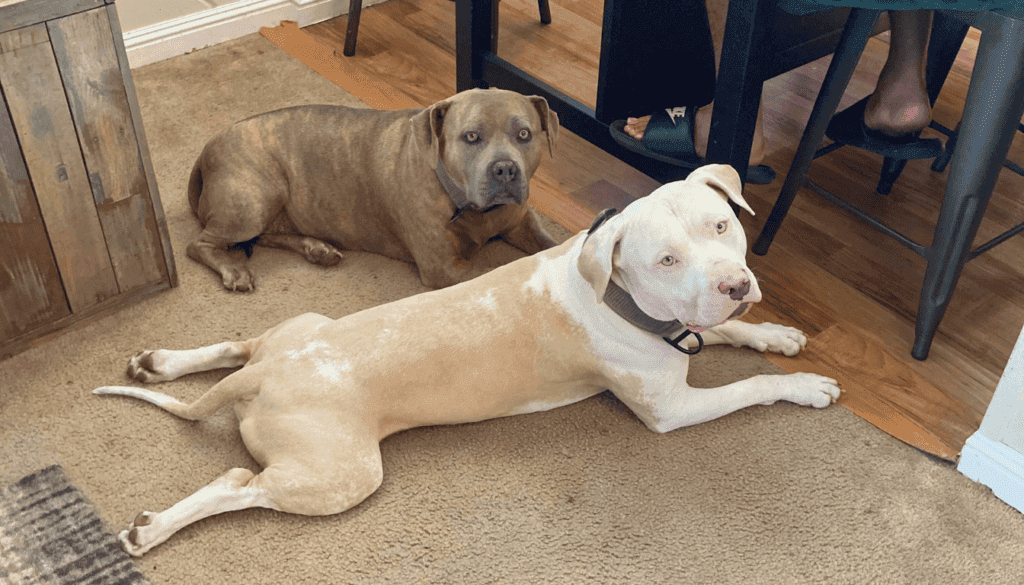
Pitbulls may look tough, but they’re secret sploot enthusiasts. Their muscular bodies allow for some impressive stretches.
When a Pitbull splays out, it’s like watching a canine bodybuilder do yoga – powerful yet surprisingly flexible!
12. Golden Retrievers: Fluffy Sploot Masters
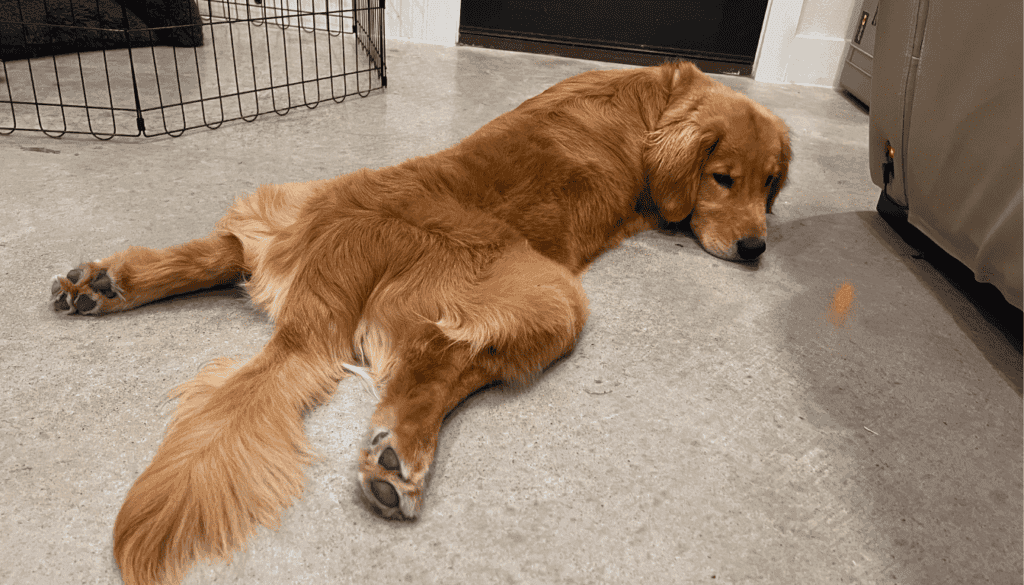
Last but not least, Golden Retrievers bring their signature friendliness to splooting. These fluffy dogs often sploot after a good swim or play session.
With their long fur, a splooting Golden looks like a giant, happy dust mop taking a break on your floor!
Remember, while these breeds are known for their splooting prowess, any dog can be a sploot superstar.
It’s all about comfort, flexibility, and sometimes, just showing off their adorable quirks!
Is Dog Splooting a Cause for Concern?
If you’ve caught your furry friend in a sploot and wondered if you should be worried, you’re not alone.
Let’s clear the air about when splooting is just a cute quirk and when it might be a red flag.
When splooting is normal
More often than not, splooting is perfectly fine. In fact, it’s downright adorable! Here’s when you can sit back and enjoy the show:
- Puppy behavior: Puppies are like little yoga masters. They’re super flexible and often sploot without a second thought. It’s like they’re showing off their bendiness!
- Breed-specific tendencies: Some breeds are more prone to splooting than others. Corgis, for instance, are notorious splooters. It’s like they’ve made it their signature move!
As long as your dog seems comfortable and can get up easily, there’s usually no need to fret. It’s just their way of lounging in style.
When to consult a veterinarian
However, there are times when splooting might be a sign that something’s not quite right.
Keep an eye out for these situations:
- Signs of hip dysplasia: If your dog is splooting more than usual and seems uncomfortable getting up, it could be a sign of hip dysplasia. This is especially true for larger breeds.
- Arthritis and joint pain: Older dogs might sploot to alleviate joint pain. If you notice your senior pup splooting more often, along with signs of discomfort, it might be time for a vet check.
- Osteoarthritis: This is another condition that might cause increased splooting. If your dog is splooting and showing signs of stiffness or reluctance to move, it’s worth a chat with your vet.
Remember, you know your dog best. If something seems off, trust your gut. It’s always better to err on the side of caution when it comes to your furry friend’s health.
A quick call to your vet can give you peace of mind or catch potential issues early.
Benefits of Splooting for Dogs
You might think splooting is just a cute doggy quirk, but it’s actually quite beneficial for our four-legged friends.
Let’s dive into why your pup’s sploot is more than just an adorable photo op.
Stretching and Flexibility
When your dog splays out in a sploot, they’re essentially giving themselves a full-body stretch. It’s like yoga for dogs, minus the fancy mats and cucumber water!
This stretch is particularly great for their hips and back legs. Think about how good it feels when you stretch after sitting at your desk for hours.
Now imagine that relief for your dog, especially if they’ve been cooped up inside all day.
Regular splooting can help keep your dog’s muscles and ligaments limber. It’s particularly beneficial for breeds prone to hip dysplasia or arthritis.
By maintaining flexibility, they’re less likely to stiffen up as they age. It’s like they’re investing in their future mobility, one sploot at a time.
But it’s not just about the big muscles. Splooting also helps stretch the smaller muscles and ligaments in their legs and paws. This can improve their overall agility and reduce the risk of injury during playtime or exercise.
Temperature Regulation
Splooting isn’t just about stretching – it’s also a clever cooling technique. When a dog splays out on a cool surface, they’re essentially turning their belly into a personal cooling pad.
Dogs don’t sweat like we do. They rely on panting and cooling their paws to regulate their body temperature.
By pressing their belly against a cool floor, they’re increasing the surface area in contact with the cool surface, helping them to cool down faster.
This is especially important for breeds with thick coats or dogs in hot climates. A good sploot on a tile floor or cool grass can provide much-needed relief on a sweltering day. It’s like they’ve found their own personal air conditioning system!
Moreover, splooting can help prevent heat stroke in dogs. By cooling their core temperature, they’re better able to avoid overheating.
It’s a natural and instinctive way for them to stay comfortable in warm weather.
So, the next time you see your furry friend in a full sploot, remember – they’re not just being cute (although they definitely are). They’re also taking care of their health and comfort.
It’s a win-win situation: you get an adorable sight, and they get to stretch out and cool down.
Now that’s what I call smart and stylish!
Wrapping Up
Well, we’ve taken quite the journey through the world of splooting! From understanding what this adorable behavior is to exploring which breeds are the sploot superstars, we’ve covered it all.
Remember, while splooting is generally harmless and even beneficial, it’s always good to keep an eye on your furry friend’s overall health and flexibility.
If you notice any changes in their splooting habits or signs of discomfort, it might be time for a vet check-up.
But for the most part, splooting is just another charming quirk that makes our dogs so lovable.
So next time you catch your pup in a full sploot, give them a smile and maybe even join in with a stretch of your own.
After all, who couldn’t use a good stretch now and then?