

All products are independently selected by our editors. If you buy something via the links on our site, we may earn an affiliate commission at no extra cost to you. Learn More >
As a dog owner, introducing your canine companion to the dog park can be both exciting and nerve-wracking. I’ve seen countless pets thrive in these social spaces, but it’s crucial to approach the experience with care.
Dog parks offer a fantastic opportunity for your furry friend to socialize, exercise, and explore. However, it’s not as simple as just showing up and letting your dog loose.
In this guide, I’ll share my top tips to ensure your pet’s first dog park visit is safe and enjoyable and sets the stage for many happy returns.
Let’s get your pup ready for some off-leash fun!
First, Preparing Your Dog for the Dog Park Experience
Before you set paw in the dog park, it’s crucial to ensure your furry friend is ready for the adventure.
Let’s look at how to assess your dog’s readiness and build the essential skills they’ll need.
Assessing Your Dog’s Readiness
Not every dog is cut out for the dog park right away. Here’s what to consider:
- Basic Obedience: Your dog should respond to commands like “come,” “sit,” and “stay.” These aren’t just party tricks – they’re vital for keeping your pup safe in an off-leash environment.
- Socialization Level: Has your dog met other canines before? If Fido turns into a furry freight train at the sight of another dog, you might need to work on socialization skills first.
- Energy and Temperament: Is your dog a bouncy ball of energy or more of a couch potato? High-energy dogs might love the park, but they also need to know when to pump the brakes.
Basic Training and Socialization
Once you’ve assessed your dog’s readiness, it’s time to polish those park-ready skills:
- Leash Training: Master loose-leash walking before hitting the park. You don’t want to be that owner being dragged across the parking lot!
- Recall Training: A solid “come” command is your get-out-of-jail-free card in sticky situations. Practice in distracting environments to make sure it sticks.
- Impulse Control: Teach your dog to wait patiently before entering the park. It’s like teaching kids not to dive headfirst into the candy store – tough but necessary.
- Socialization Practice: Arrange playdates or enroll in puppy classes. Think of it as your dog’s social etiquette course before the big dance.
Remember, preparing your dog for the park isn’t a race. Take your time, be patient, and celebrate small victories.
Before you know it, you’ll have a park-savvy pup ready to make new furry friends!
Choosing the Right Dog Park
Not all dog parks are created equal. Finding the perfect spot for your furry friend to romp and play is crucial for a positive experience.
Let’s sniff out how to choose the best park for your pup.
Researching Local Options
Start by making a list of dog parks in your area. In the United States, we’re lucky to have a wide variety of options, from small neighborhood enclosures to sprawling off-leash areas.
Here’s what to look for:
- Fencing: A well-fenced park is a must. It keeps your dog safe and gives you peace of mind. Look for parks with sturdy, tall fences that don’t have any gaps or holes.
- Size and Layout: Some dogs prefer wide open spaces, while others enjoy parks with trees and varied terrain. Think about what would suit your dog’s personality and energy level.
- Separate Areas: Many great parks have separate sections for small and large dogs. This can be a lifesaver if you’ve got a pint-sized pooch who’s not keen on playing with the big boys.
- Rules and Regulations: Check if the park requires dogs to be up-to-date on vaccinations or if there are specific rules about behavior or clean-up.
Evaluating Park Safety and Cleanliness
Once you’ve narrowed down your options, it’s time to put on your detective hat and evaluate each park’s safety and cleanliness.
Here’s your checklist:
- Fencing and Perimeter: Walk the entire perimeter. Are there any weak spots in the fence? Is the gate secure? You don’t want your escape artist making a break for it!
- Maintenance: A clean park is a healthy park. Look for waste bag dispensers, trash cans, and signs that the park is regularly maintained.
- Water Sources: Check if there’s clean water available for dogs. Staying hydrated is important, especially on those hot summer days.
- Shade and Shelter: Your dog will appreciate some shade on sunny days. Trees, shelters, or canopies are great features to look out for.
- Surface Type: Is the ground grass, dirt, or gravel? Each has pros and cons. For example, grass is gentle on paws but can get muddy, while gravel is low-maintenance but might be rough on sensitive paws.
Remember, the perfect park for your neighbor’s dog might not be the best fit for yours. Trust your instincts – if something feels off about a park, it’s okay to cross it off your list.
After all, you’re looking for a place where both you and your furry friend can feel comfortable and have a ball (literally and figuratively)!
Essential Etiquette for Visiting a Dog Park
Alright, you’ve found the perfect park, and your pup is ready to party. But hold your horses (or should I say, hounds)!
Before you unleash your furry friend, let’s talk about the unwritten rules of the dog park.

Trust me, following these will make you the toast of the town – or at least, the talk of the park.
Understanding Dog Park Rules
Every dog park has its own set of rules, but there are some universal dos and don’ts that’ll keep you in everyone’s good books:
- Leash Up, Then Unleash: Always keep your dog on a leash until you’re inside the off-leash area. It’s like taking off your shoes before entering someone’s home – it’s just good manners.
- Pick Up After Your Pup: This one’s a no-brainer, but you’d be surprised how many people “forget” to do it. Always bring poop bags and clean up after your dog. Nobody wants to step in a surprise!
- Keep an Eye on Your Dog: The dog park isn’t a doggy daycare. Stay alert and watch your pup. If they start causing trouble, it’s your job to intervene.
- Know When to Leave: If your dog is being a bully or seems overwhelmed, it’s time to call it a day. There’s no shame in knowing when enough is enough.
- Leave the Treats at Home: Bringing treats to a dog park is like walking into a kindergarten with one lollipop – it’s going to cause chaos.
Vaccinations and Health Requirements
Before your dog sets paw in the park, make sure they’re up to date on their shots. It’s not just about following rules – it’s about keeping all our furry friends safe and healthy.
- Core Vaccinations: Most parks require dogs to have their core vaccinations, including rabies, distemper, and parvovirus. Think of these as your dog’s passport to the park.
- Additional Protections: Depending on your location, you might want to consider vaccinations for things like Leptospirosis or Bordetella. Chat with your vet about what’s best for your pup.
- Flea and Tick Prevention: No one wants to bring home unwanted guests. Keep your dog on a regular flea and tick prevention program.
- Spay and Neuter: Many parks require dogs to be spayed or neutered. It helps keep the peace and prevents any unexpected puppy surprises.
Remember, these health requirements aren’t just arbitrary rules. They’re based on solid science and are designed to keep all dogs (and their humans) safe and healthy.
By following these etiquette guidelines and health requirements, you’re not just being a responsible dog owner – you’re being a good neighbor to your fellow park-goers.
And who knows? You might even make some new two-legged and four-legged friends along the way!
Heading to the Dog Park: What to Bring
Alright, you’ve chosen your park and brushed up on etiquette.
Now it’s time to pack your bag!
Think of this as preparing for a doggy day out. With the right gear, you’ll be ready for anything the park throws at you (or that your dog rolls in).
Essential Supplies
First things first, let’s cover the must-haves:
- Collar and ID Tag: This is non-negotiable. Make sure your pup’s collar fits well and has an up-to-date ID tag. It’s like your dog’s driver’s license – they shouldn’t leave home without it.
- Leash: Even though you’re heading to an off-leash area, you’ll need a leash to get there safely. Choose one that’s comfortable for both you and your dog. I prefer a 6-foot leash – it gives enough freedom without turning into a tangled mess.
- Water and Portable Bowl: Dogs can work up quite a thirst during playtime. Bring fresh water and a collapsible bowl. It’s like packing a sports drink for your furry athlete.
- Poop Bags: Remember our chat about etiquette? Always bring more bags than you think you’ll need. It’s better to have too many than too few when nature calls.
- Towel: This is especially handy if your park has a water feature or if it’s been raining. Unless you want your car to smell like wet dog (eau de soggy pup, anyone?), pack a towel.
Safety Gear
Now, let’s talk about some extras that can make your visit safer and more enjoyable:
- First Aid Kit: Accidents happen, even to the most careful pups. A small first aid kit with antiseptic wipes, gauze, and bandages can be a lifesaver. Think of it as your doggy 911.
- Sunscreen: Yes, dogs can get sunburned too, especially those with short or light-colored coats. Ask your vet about dog-safe sunscreens for your furry friend’s nose and ears.
- Nail Clippers: This might seem odd, but hear me out. If your dog snags a nail while playing, having clippers on hand can prevent a painful situation from getting worse.
- Cooling Vest or Bandana: On hot days, these can help keep your pup comfortable. It’s like giving your dog their own personal air conditioning unit.
- Favorite Toy: While you shouldn’t bring a bag full of toys (remember, sharing is caring at the dog park), one favorite toy can be a great way to engage your dog if they’re feeling shy.
Remember, the goal is to be prepared without looking like you’re packing for a month-long expedition. You want to enjoy your time at the park, not lug around a suitcase full of gear.
With these essentials in your bag, you’re ready for a fantastic day at the dog park. Your furry friend will be safe, comfortable, and ready for adventure.
Now, who’s ready to play?
Introducing Your Dog to the Dog Park Environment
So, you’ve got your gear packed, and you’re ready to hit the park.
But wait!
If this is your pup’s first rodeo (or should I say, first “bark-eo”?), we need to talk strategy. Introducing your dog to the park is like sending your kid to school for the first time – it can be exciting, overwhelming, and a little nerve-wracking.
Let’s break it down so you and your furry friend can make a grand entrance.
First-Time Approach
The key here is to take it slow. Rome wasn’t built in a day, and your dog won’t become a park pro overnight.
Here’s how to make that first visit a pawsitive experience:
- Scope it out solo: Before bringing your dog, visit the park alone. Get a feel for the layout, the regulars, and the general vibe. It’s like doing a recon mission before the big day.
- Choose a quiet time: For your first visit, aim for a less busy period. Early mornings or weekdays are often good bets. This way, your dog won’t feel like they’ve just walked into a furry flash mob.
- Start on the outside: Begin by walking your dog around the perimeter of the park. Let them observe and get used to the sights, sounds, and smells. It’s like letting them peek through the window before opening the door.
- Use the double-gate system: Most dog parks have a double-gate entry. Use this to your advantage. Enter the first gate, close it behind you, then take a moment in this “airlock” area to assess the situation before entering the main park.
- Keep the leash handy: Even in off-leash areas, keep your dog’s leash accessible for the first few visits. If things get overwhelming, you can easily make a smooth exit.
Remember, every dog is different. Some might charge in like they own the place, while others might need a few visits to warm up.
Trust your instincts and follow your dog’s lead.
Reading Your Dog’s Body Language
Now, let’s talk about becoming fluent in “dog”. Understanding your pup’s body language is crucial for a successful park experience.
It’s like being your dog’s personal translator in a foreign land.
- Tail talk: A wagging tail doesn’t always mean happiness. A high, stiff wag could signal alertness or even aggression, while a low, loose wag usually means they’re relaxed and friendly.
- Ear position: Ears perked forward show interest, while ears flattened against the head might indicate fear or submission.
- Body posture: A relaxed, wiggly body usually means a happy dog. A stiff, still posture with weight shifted forward could be a sign of tension or potential aggression.
- Play bow: This is the universal doggy sign for “Let’s play!” If your dog lowers their front end while keeping their rear end up, they’re inviting interaction.
- Lip licking and yawning: These can be signs of stress or discomfort. If you see these behaviors, especially combined with a tense body, it might be time for a break.
As you gain experience, you’ll become more attuned to your dog’s signals. It’s like learning a new language – at first, it might seem like gibberish, but soon you’ll be fluent in Fido.
By taking a careful approach and paying attention to your dog’s body language, you’re setting the stage for many happy park visits to come.
Remember, the goal is for both you and your dog to enjoy the experience. So take it easy, stay observant, and before you know it, you’ll both be park pros!
Managing Interactions with Other Dogs
Alright, you’ve made it into the park, and your pup is ready to mingle.
Now comes the fun part – watching your dog make new furry friends! But remember, you’re not just a spectator here.
You’re more like a chaperone at a doggy dance, making sure everyone plays nice and has a good time.
Supervising Play
Supervising your dog’s play is crucial, but it doesn’t mean hovering like a helicopter parent.
Think of yourself as a lifeguard at a pool – you’re there to ensure safety, but you’re not diving in every five seconds.
Here’s how to strike that balance:
- Stay alert: Keep your eyes on your dog, even when chatting with other pet parents. It’s like texting and driving – multitasking is possible, but your primary focus should be on your pup.
- Know your dog’s play style: Some dogs are rough-and-tumble wrestlers, others prefer a good chase. Understanding your dog’s preferences helps you spot when play might be getting out of hand.
- Look for reciprocal play: Healthy play involves back-and-forth interaction. If one dog is constantly pinning another or not letting them get up, it might be time to intervene.
- Listen for happy sounds: Play growling is normal, but if you hear angry barks or yelps of pain, that’s your cue to check in.
- Encourage breaks: Just like kids at a playground, dogs can get overexcited. Call your dog over periodically for a quick pat and a breather. It’s like a time-out, but fun!
Remember, off-leash doesn’t mean off-duty for you. Stay engaged, and you’ll help ensure a positive experience for everyone.
Intervening When Necessary
Sometimes, despite our best efforts, things can get a little hairy (pun intended). Knowing when and how to step in is a crucial skill for any dog park visitor. Here’s your game plan:
- Read the room: Look for signs of escalating tension, like stiff body language, raised hackles, or prolonged staring. These are the doggy equivalent of someone saying, “You wanna take this outside?”
- Use your voice: A cheerful, upbeat call can often break up brewing tension. It’s like being the DJ who puts on a crowd-pleaser just when the party mood is dipping.
- Body block: If needed, calmly step between dogs to interrupt intense interactions. Think of it as being a gentle bouncer at Club Canine.
- Leash up if necessary: If things are getting too heated, don’t hesitate to leash your dog and take a break. It’s better to leave the party early than to overstay your welcome.
- Know when to call it a day: If your dog seems overwhelmed, tired, or is consistently having negative interactions, it’s time to head home. There’s always another day at the park.
Intervening isn’t about being the fun police. It’s about ensuring everyone stays safe and happy.
With practice, you’ll develop a sixth sense for when to step in and when to let the dogs work it out themselves.
Remember, every visit to the dog park is a learning experience – for both you and your pup. You might not get it perfect every time, and that’s okay.
The key is to stay attentive, be proactive, and always prioritize safety and fun.
Before you know it, you’ll be navigating the dog park social scene like a pro, and your furry friend will be the life of the pawty!
Special Considerations for Puppies
Ah, puppies! Those bundles of energy, cuteness, and chaos.
If you’ve got a young pup, you might be itching to show them off at the dog park. But hold your horses (or should I say, puppies?).
While socialization is crucial for young dogs, the dog park isn’t always the best place to start.
Let’s talk about how to introduce your little furball to the big, exciting world of dog parks without overwhelming them.
Age-Appropriate Socialization
When it comes to puppies, socialization is like learning a new language – the earlier you start, the easier it is.
But just like you wouldn’t throw a kindergartener into a college class, you shouldn’t toss your puppy into the deep end of dog park social dynamics.
First things first: age matters.
Most experts recommend waiting until your puppy is at least 16 weeks old and has completed their core vaccinations before venturing into the dog park.
This isn’t just about protecting your pup from diseases; it’s also about ensuring they’re developmentally ready for the experience.
Before the dog park, focus on controlled socialization experiences.
Puppy classes, playdates with known, friendly dogs, and structured interactions in safe environments are great starting points.
Think of it as your puppy’s social prep school before they hit the big leagues of the dog park.
Remember, early experiences shape your puppy’s future attitudes. A bad experience at the dog park could turn your pup into the canine equivalent of that person who hates parties.
So, take it slow and make sure every interaction is as positive as possible.
Introducing Your Puppy Gradually
Once your puppy is old enough and you feel they’re ready for the dog park, it’s time for a gradual introduction.
Think of it like dipping your toe in the water before diving in.
- Start with off-peak hours: Visit the park when it’s less busy. This way, your pup won’t feel like they’ve wandered into Times Square on New Year’s Eve.
- Use the perimeter: Walk your puppy around the outside of the park first. Let them observe and get used to the sights, sounds, and smells without the pressure of interaction.
- Short and sweet: Keep initial visits brief – 10 to 15 minutes max. It’s better to leave while your puppy is still having fun than to stay until they’re overwhelmed.
- Watch for signs of stress: Tucked tail, hiding behind you, excessive yawning, or shaking off frequently are all puppy ways of saying, “This is a bit much for me.”
- Be their advocate: Don’t be afraid to step in if other dogs are being too rough. You’re your puppy’s bodyguard, spokesperson, and cheerleader all rolled into one.
As for exercise, remember that puppies are like furry batteries – they charge up quickly but also run out of energy fast.
While adult dogs might romp for hours, your puppy might need frequent breaks or shorter play sessions.
A good rule of thumb is five minutes of exercise per month of age, up to twice a day.
So, a four-month-old puppy might enjoy about 20 minutes of play at the park.
Introducing your puppy to the dog park is a bit like teaching a kid to ride a bike. There might be a few wobbles and minor scrapes, but with patience and support, they’ll be zooming around with the best of them in no time.
Just remember to keep it fun, keep it safe, and always end on a high note. Before you know it, your pup will be the life of the park party!
Troubleshooting Common Issues
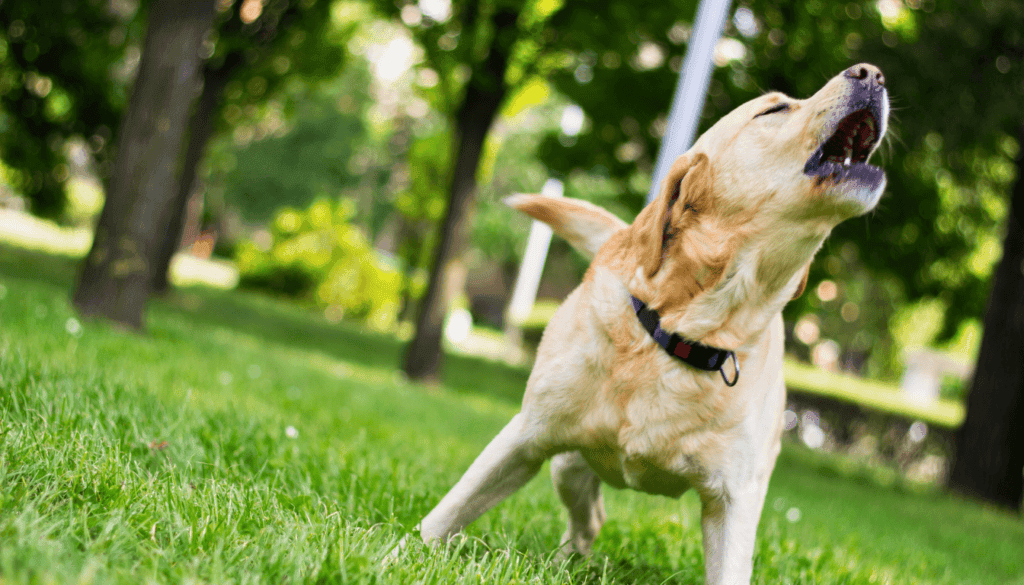
Let’s face it, even the best-laid plans can go awry, especially when dealing with our four-legged friends. Dog parks can be like a box of chocolates – you never know what you’re gonna get.
Sometimes it’s all tail wags and happy barks, other times it’s more chaos than a squirrel convention.
Don’t worry, though. I’ve got your back with some tips on how to handle common hiccups at the dog park.
Overexcitement and Overstimulation
We’ve all seen that dog – the one that enters the park like it’s just downed a triple espresso.
Suddenly, your usually well-behaved pooch turns into a furry pinball, bouncing from dog to dog, ignoring your calls, and generally acting like they’ve forgotten every bit of training they’ve ever had.
It’s enough to make you want to crawl under a bench and pretend you don’t know them.
First things first, take a deep breath.
Your dog isn’t trying to embarrass you (even if it feels that way).
They’re just really, really excited. It’s like they’ve been invited to the best party ever, and they want to say hi to everyone at once.
Here are some strategies to help calm your overzealous pup:
- Pre-park energy burn: Before heading to the dog park, try a brisk walk or some backyard play. It’s like letting kids run around the playground before sitting them down for class – they’re more likely to behave if they’ve burned off some energy first.
- Use the ‘time-out’ technique: If your dog gets too wound up, calmly leash them and move to a quiet area of the park. Wait for them to calm down before letting them play again. It’s not a punishment, just a chance to reset.
- Practice recall: Work on your dog’s recall in less distracting environments. Start in your backyard, then move to busier areas. A solid “come” command can be a lifesaver in the dog park.
- Reward calm behavior: Catch your dog being good! If they’re playing nicely or responding to commands, shower them with praise and treats. They’ll start to associate calm behavior with good things.
Remember, consistency is key in dog training. It might take a few visits, but with patience and persistence, your dog will learn to keep their cool at the park.
Fear or Anxiety in the Dog Park
On the flip side, you might have a dog who treats the park like it’s full of dog-eating monsters.
They might cling to your leg, hide behind bushes, or bark defensively at other dogs. It’s heartbreaking to watch, and you might be tempted to avoid the park altogether.
But don’t throw in the towel just yet!
Here’s how you can help your nervous Nellie feel more comfortable:
- Start slow: Begin with visits during quiet times. Let your dog observe from a distance. It’s like letting them peek through the window at the party before deciding if they want to join in.
- Create positive associations: Bring high-value treats to the park. Every time your dog sees another dog or person, give them a treat. Soon, they’ll start to think, “Hey, good things happen when I’m here!”
- Find a buddy: If you have a friend with a calm, friendly dog, arrange to meet at the park. Having a familiar, non-threatening playmate can help your dog feel more secure.
- Watch your own behavior: Dogs are experts at reading our emotions. If you’re tense and anxious, your dog will pick up on it. Try to stay calm and upbeat, even if you’re worried.
- Know when to call it: If your dog is truly miserable, it’s okay to leave. There’s no shame in deciding the dog park isn’t for you. There are plenty of other ways to socialize and exercise your pup.
Remember, every dog is different. What works for one might not work for another. The key is to be patient, observant, and willing to adjust your approach based on your dog’s needs.
Dealing with these issues can be frustrating, but don’t lose heart.
With time, patience, and a pocketful of treats, you can turn even the most challenging dog park visit into a positive experience.
And hey, if all else fails, there’s always the option of setting up a kiddie pool in your backyard and calling it a ‘private dog park’.
Sometimes, you’ve got to get creative in the world of dog parenting!
Making the Dog Park a Positive Experience
Alright, let’s talk about turning your dog park visits from a potential headache into a tail-wagging good time.
After all, the goal isn’t just to survive the dog park – it’s to thrive there! With a few tricks up your sleeve, you can make the dog park a place where both you and your furry friend look forward to going.
Let’s dive into how we can make that happen.
Rewarding Good Behavior
You know that feeling when someone compliments you on a job well done? That warm, fuzzy glow that makes you want to keep up the good work?
Well, dogs aren’t so different. They thrive on positive reinforcement, and the dog park is the perfect place to put this into practice.
Now, I’m not suggesting you walk around the park with a pocketful of dog treats, tossing them out like you’re feeding pigeons in the park.
That’s a recipe for chaos (and probably some dirty looks from other dog owners). Instead, we’re going to get a little more strategic.
Enter clicker training. If you’re not familiar with it, clicker training is like giving your dog a thumbs up, but in a language they understand better. Here’s how it works:
- Get a clicker (a small device that makes a distinct clicking sound) and some high-value treats.
- Before you go to the park, practice at home. Click the device and immediately give your dog a treat. Repeat until your dog associates the click with a reward.
- At the park, when your dog does something good – like coming when called or playing nicely with others – click and treat.
The beauty of clicker training is its precision.
That click tells your dog exactly what behavior you’re rewarding, right when it happens. It’s like taking a snapshot of the good behavior and saying, “Yes! That’s what I want!”
![Diyife Clicker Training for Dogs, [4 Pcs, Multi-Color] Dog Clicker with Wrist Strap](https://spcdn.shortpixel.ai/spio/ret_img+q_cdnize+to_webp+s_webp/www.doggytastic.com/wp-content/uploads/2024/07/Diyife-Clicker-Training-for-DogsDog-Clicker-with-Wrist-Strap.jpg)

But what if you’re not into carrying around a clicker? No worries. You can use a marker word instead, like “Yes!” or “Good!” Just be consistent and make sure your tone is always upbeat.
Remember, the key to successful dog training is consistency and timing. Reward the behavior you want to see more of, and do it immediately.
Before you know it, your dog will be the model citizen of the dog park, and you’ll be the envy of all the other pet parents.
Establishing a Routine
Now, let’s talk about routines. Dogs are creatures of habit, much like that one friend who always orders the same thing at restaurants (you know who you are).
Establishing a routine around dog park visits can help set expectations and make the experience more enjoyable for everyone.
Here’s how you can create a dog park routine that works:
- Consistent timing: Try to visit the park at the same time each day or week. This helps your dog know what to expect and can even help regulate their energy levels.
- Pre-park ritual: Develop a short routine before heading to the park. This could be a quick training session, a short walk, or even just putting on a special “park collar.” This signals to your dog that it’s park time and can help them get in the right mindset.
- Exercise before socializing: If possible, give your dog a bit of exercise before entering the park. A quick game of fetch or a brisk walk can take the edge off their excitement and make them more likely to interact calmly with other dogs.
- Cool-down period: After the park, have a wind-down routine. This could be a quiet walk home or some relaxed playtime in your yard. It helps transition your dog from the excitement of the park back to home mode.
- Consistency in commands: Use the same commands and hand signals at the park that you use at home. Consistency is key in reinforcing good behavior.
Remember, the goal of a routine isn’t to make things boring – it’s to create a structure that helps your dog feel secure and know what’s expected of them.
Think of it like a dance – once you both know the steps, you can really start to enjoy the music.
By combining positive reinforcement with a consistent routine, you’re setting yourself and your dog up for success at the park.
You’ll be creating positive associations that make your dog look forward to park visits, while also reinforcing good behavior that makes those visits enjoyable for everyone.
And hey, who knows?
With these strategies in place, you might just find yourself becoming that person at the dog park – you know, the one with the incredibly well-behaved dog that everyone else secretly envies.
Now wouldn’t that be something to wag your tail about?
Wrapping Up
Well, we’ve certainly covered a lot of ground in our journey through the world of dog parks! From picking the perfect park to handling those tricky situations, we’ve explored it all.
Remember, the key to a great dog park experience is preparation, positivity, and a dash of patience. Whether you’re dealing with an overly excited pup or a nervous Nellie, the strategies we’ve discussed can help turn your visits into tail-wagging adventures.
As a dog owner, you’re not just there to supervise – you’re your furry friend’s guide, cheerleader, and sometimes their voice of reason.
By creating positive experiences and establishing routines, you’re building a foundation for countless happy memories at the park.
So grab that leash, pack some treats, and head out to your local dog park. With these tips in your pocket, you’re all set for some pawsome fun!


