All products are independently selected by our editors. If you buy something via the links on our site, we may earn an affiliate commission at no extra cost to you. Learn More >
As a dog trainer, I’ve heard all sorts of stories about dogs eating weird stuff. Crayons? Yep, that’s a new one!
If your furry friend just turned your art supplies into a snack, don’t worry. I’ve done the research and consulted with vets to bring you the answers.
In this post, I’ll break down what happens when a dog eats crayons, what to watch for, and when it’s time to call the vet.
Whether it’s one crayon or the whole box, I’ve got the info you need.
Let’s sort out this colorful mess and keep your pup safe!
Are Crayons Toxic to Dogs?
Let’s tackle the big question right off the bat: Are crayons going to poison your pup?
The good news is that most crayons aren’t toxic to dogs. But before you breathe a sigh of relief, there’s more to consider.
Ingredients in Crayons
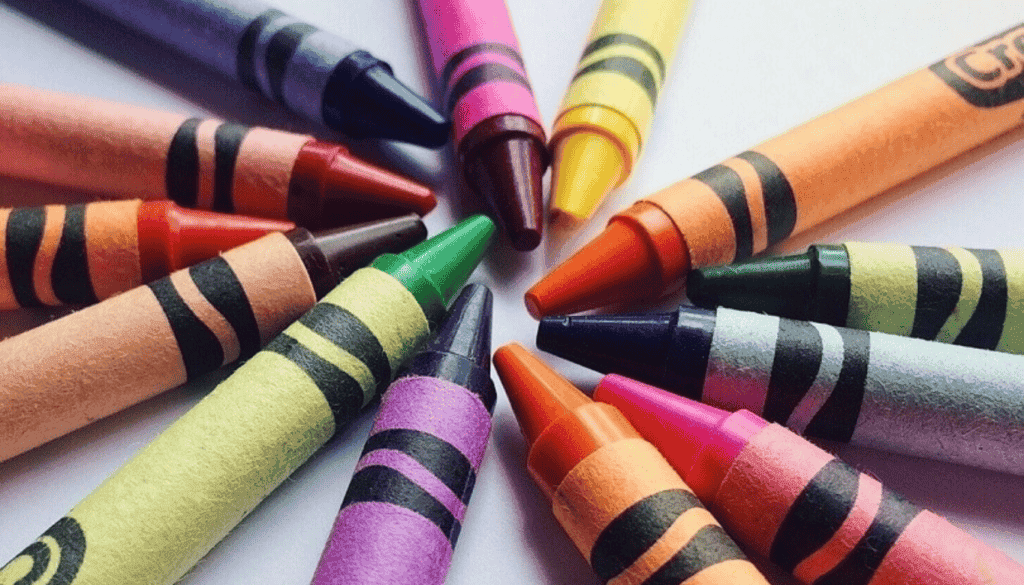
Crayons are primarily made of paraffin wax and pigments.
Here’s the breakdown:
- Paraffin wax: This is the main ingredient, and it’s generally non-toxic.
- Pigments: These give crayons their color and are usually safe in small amounts.
- Stearic acid: A harmless fatty acid that helps bind ingredients.
While these ingredients aren’t poisonous, they’re not exactly part of a balanced doggy diet either!
Potential Risks
Just because crayons aren’t toxic doesn’t mean they’re risk-free.
The main concerns are:
- Obstruction: If your dog swallows large pieces or multiple crayons, they could cause a blockage in the digestive tract. It’s like trying to flush a tennis ball down the toilet – not a good idea!
- Digestive upset: Even if the crayons pass through, they might cause some tummy troubles. Your pup might experience vomiting, diarrhea, or loss of appetite.
- Choking hazard: Small pieces of crayon could potentially be a choking risk, especially for smaller dogs.
While crayons aren’t as dangerous as some other household items (I’m looking at you, chocolate!), they’re still not something you want your dog munching on regularly.
In the next section, we’ll look at what happens when a dog decides to turn your art supplies into a snack.
Stay tuned!
What Happens When a Dog Eats Crayons?
So, your four-legged Picasso decided to eat crayons instead of drawing with them. What now?
Let’s walk through what’s likely happening in your pup’s tummy and what you might see as a result.
Immediate Effects
When a dog eats crayons, it’s not exactly a recipe for culinary delight.
Here’s what you might notice right off the bat:
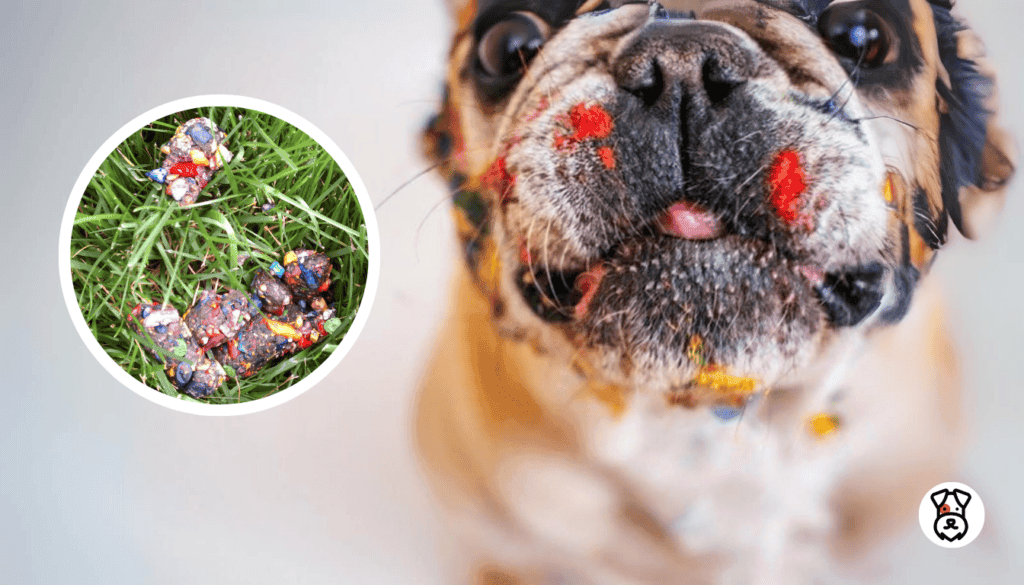
- Colorful Evidence: Don’t be shocked if you see some rainbow-hued vomit or poop. It’s like your dog’s giving you a sneak peek at their internal art project!
- Upset Stomach: Just like when you eat something you shouldn’t, your dog might experience some digestive discomfort. This could manifest as:
- Vomiting
- Diarrhea
- Loss of appetite
- Lethargy
These symptoms usually show up within a few hours of the crayon feast. Most of the time, they’re mild and pass quickly.
But if they persist or seem severe, it’s time to ring up the vet.
Long-term Concerns
While immediate effects are usually the main worry, there are some potential long-term issues to keep an eye on:
- Intestinal Blockage: If your dog swallowed large chunks or multiple crayons, there’s a risk of obstruction in the intestines. It’s like a traffic jam in your dog’s digestive highway. Signs of this include:
- Persistent vomiting
- Constipation
- Abdominal pain
- Loss of appetite
- Chronic Digestive Issues: In rare cases, if bits of crayon get stuck in the intestinal tract, they could cause ongoing problems like intermittent diarrhea or vomiting.
- Nutritional Imbalance: If your dog develops a habit of eating non-food items (a condition called pica), it could lead to nutritional deficiencies over time.
Remember, most dogs who eat a crayon or two will be just fine. The wax will usually pass through their system without much fuss.
However, it’s always better to be safe than sorry.
In the next section, we’ll cover what steps you should take if you catch your pup red-handed (or should I say, red-mouthed?) with a crayon.
Steps to Take if Your Dog Ate Crayons
Alright, you’ve caught your furry friend red-handed (or should I say, red-mouthed?) with a crayon.
Don’t panic!
Here’s what you need to do to handle this colorful crisis.
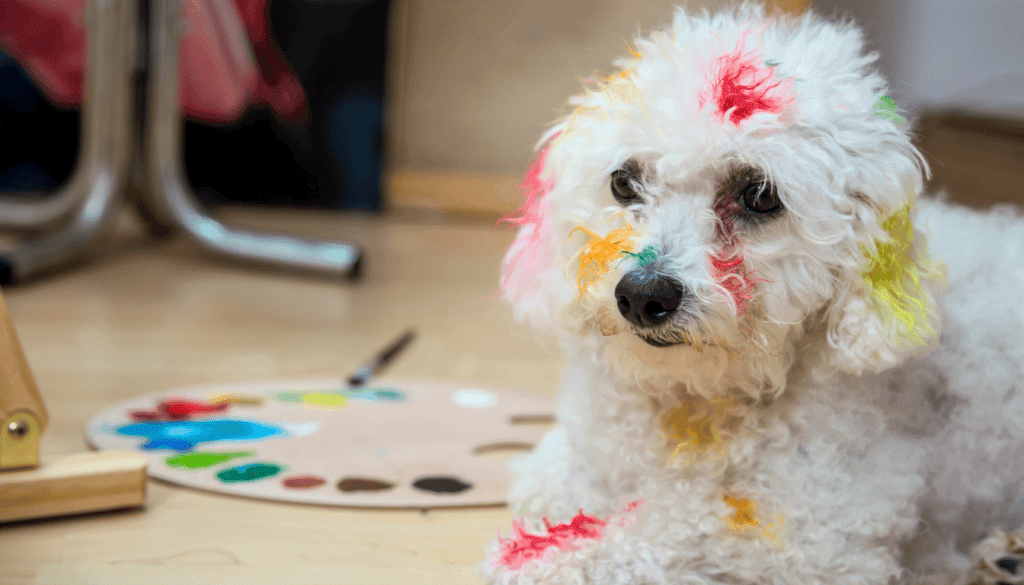
Assess the Situation
First things first, let’s play detective. Try to figure out exactly what your dog has eaten. Was it just one crayon, or did they go for the whole 64-pack?
Knowing this can help you and your vet decide on the best course of action.
Take a look around.
Are there crayon pieces on the floor?
Any colorful evidence around your dog’s mouth?
This isn’t just for giggles – it’ll help you gauge how much your pup actually ingested.
Remember, dogs are like kids sometimes. Just because the box is empty doesn’t mean they ate it all. They might have just had fun scattering crayons across your living room floor!
Monitor Your Dog
Now it’s time to keep a close eye on your four-legged friend. You’re looking for any signs that something’s not right. Here’s what to watch for:
- Vomiting or diarrhea (possibly with a rainbow tint)
- Loss of appetite
- Lethargy or unusual behavior
- Difficulty pooping or signs of constipation
- Abdominal pain (your dog might whine or resist being touched on the belly)
Don’t be surprised if you see some colorful poop in the next day or two. It’s just your dog’s way of creating abstract art!
When to Contact a Vet
While eating crayons isn’t usually a dire emergency, there are times when you should reach out to your vet:
- If your dog ate a large number of crayons
- If you notice any of the symptoms we talked about earlier, especially if they persist for more than 24 hours
- If your dog seems to be in pain or significant discomfort
- If you’re just not sure and want some professional advice (better safe than sorry!)
Remember, vets have seen it all. Your dog isn’t the first to turn art supplies into a snack, and they won’t be the last. Don’t be embarrassed to call – they’re there to help!
In the next section, we’ll talk about how to prevent future crayon-eating incidents. After all, we want to keep your dog safe and your art supplies intact!
Possible Complications
While we’ve touched on some potential issues earlier, let’s dive deeper into the possible complications that can arise when your dog decides to turn crayons into a snack.
It’s not all rainbows and colorful poop, unfortunately.
Intestinal Obstruction
The most serious potential complication is intestinal obstruction. Now, I know that sounds scary, but let’s break it down.
Imagine your dog’s digestive system as a long, winding water slide.
Normally, everything flows smoothly from top to bottom. But if your pup swallows a large chunk of crayon or multiple crayons, it’s like throwing a beach ball into that slide.
Things can get stuck.
Signs of an obstruction include:
- Persistent vomiting
- Lack of appetite
- Constipation or straining to poop
- Abdominal pain or swelling
- Lethargy
If you notice these symptoms, especially if they last more than a day, it’s time to call the vet. Don’t wait it out – obstructions can be serious and may even require surgery if left untreated.
Digestive Upset
On the less severe end of the spectrum, we have good old digestive upset. It’s like when you eat something that doesn’t agree with you – uncomfortable, but usually not dangerous.
Your dog might experience:
- Vomiting: And yes, it might be colorful. Think of it as your dog’s unique contribution to abstract expressionism.
- Diarrhea: Again, possibly in technicolor. It’s not pleasant, but it’s your dog’s way of getting rid of the foreign material.
- Loss of appetite: Your pup might turn their nose up at dinner for a day or two.
- General discomfort: They might seem a bit off, less playful, or more lethargic than usual.
The good news is that these symptoms usually resolve on their own within 24-48 hours. However, if they persist or seem severe, it’s always better to err on the side of caution and consult your vet.
Remember, every dog is different.
Some might munch on a whole box of crayons and be fine, while others might have trouble with just one. It depends on factors like the size of your dog, the amount ingested, and your dog’s individual digestive system.
Treatment Options
So, your dog’s decided to turn your art supplies into a snack. Don’t worry, I’ve got your back. Let’s talk about what you can do to help your colorful canine.
Home Care
First things first, don’t panic. In many cases, you can handle this situation at home. It’s like when your kid eats a bit of Play-Doh – unpleasant, but usually not an emergency.
One of the best things you can do is to add some fiber to your dog’s diet.
It’s like giving their digestive system a broom to sweep out the crayon bits. My go-to recommendation? Pumpkin.
Yes, you heard that right!
Plain, canned pumpkin (not the pie filling) is a great source of fiber that most dogs love. It’s like nature’s vacuum cleaner for your dog’s gut.
Here’s how to use it:
- For small dogs (under 20 lbs), add 1-2 teaspoons to their food.
- For medium dogs (20-60 lbs), use 1-2 tablespoons.
- For large dogs (over 60 lbs), you can go up to 1/4 cup.
Do this for a day or two, and you should see things… moving along. Just keep an eye out for those colorful deposits in your yard!
Also, make sure your pup has plenty of fresh water. Hydration is key when it comes to helping things pass through smoothly. Think of it as greasing the wheels of your dog’s digestive train.
Veterinary Intervention
Now, while home care works in many cases, sometimes you need to call in the pros. If you’re seeing any of the warning signs we talked about earlier – persistent vomiting, lethargy, loss of appetite – it’s time to ring up your vet.
Your vet might recommend:
- X-rays: To check for any blockages. It’s like giving your dog’s insides a photoshoot, minus the glamour.
- Induced vomiting: If the crayon was recently ingested. This isn’t as fun as it sounds, and should only be done under professional supervision.
- Fluid therapy: To prevent dehydration if your dog’s been vomiting a lot. Think of it as an internal car wash for your pup.
- Surgery: In rare cases of severe blockage. This is the last resort, like calling a plumber when your home remedies for a clogged drain just aren’t cutting it.
Remember, vets have seen it all.
Your dog isn’t the first to mistake art supplies for a chew toy, and they won’t be the last. Don’t be embarrassed to call – they’re there to help, not judge your dog’s artistic appetite!
In the next section, we’ll talk about prevention.
Preventing Your Dog from Eating Crayons
Now that we’ve covered what to do if your dog decides to snack on some Crayolas, let’s talk about how to prevent this colorful catastrophe from happening in the first place.
After all, an ounce of prevention is worth a pound of cure, especially when it comes to keeping your furry friend safe and healthy.
Safe Storage
The first line of defense in keeping your pup from turning into a canine Picasso is proper storage. Think of it as puppy-proofing your art supplies.
Find a place that’s completely out of your dog’s reach.
High shelves, closed cabinets, or drawers with child-proof locks are all great options. Remember, dogs can be surprisingly resourceful when they’re determined to get something.
I once had a Lab who could open the refrigerator! So don’t underestimate your pup’s problem-solving skills.
If you have kids who use crayons, make sure they understand the importance of putting them away after use. It might help to designate a special “crayon box” that’s easy for kids to use but hard for dogs to access.
You could even make a game out of it – “Who can put away their crayons the fastest?” It’s a win-win: your kids learn to tidy up, and your dog stays safe.
Training and Supervision
While safe storage is crucial, training your dog is equally important. After all, you can’t always control every environment your dog is in. What if you’re visiting a friend with kids, or your dog goes to doggy daycare where there might be crayons around?
Start with the basics. Teach your dog a solid “leave it” command. This can be a lifesaver in many situations, not just with crayons. It’s like giving your dog an internal stop sign.
Here’s a quick way to start teaching “leave it”:
- Hold a treat in your closed fist.
- Let your dog sniff your hand. When they stop trying to get the treat, say “yes” and give them a different treat from your other hand.
- Repeat this process, gradually increasing the difficulty by leaving your hand open or placing the treat on the floor.
Remember, consistency is key.
Practice this regularly, and soon your dog will understand that “leave it” means “don’t touch that, no matter how tempting it looks.”
For puppies or dogs who are particularly curious (or mischievous), supervision is crucial. When crayons are out, keep a close eye on your pup. It’s like watching a toddler – turn your back for a second, and who knows what they’ll get into!
Consider using baby gates to keep your dog out of areas where crayons might be used. This is especially helpful if you have kids who love to color. It’s not about isolating your dog, but creating safe spaces where they can’t accidentally get into trouble.
Lastly, make sure your dog has plenty of appropriate chew toys.
Sometimes, dogs go for crayons simply because they’re looking for something to gnaw on. By providing alternatives, you’re redirecting that chewing instinct to something safe and dog-friendly.
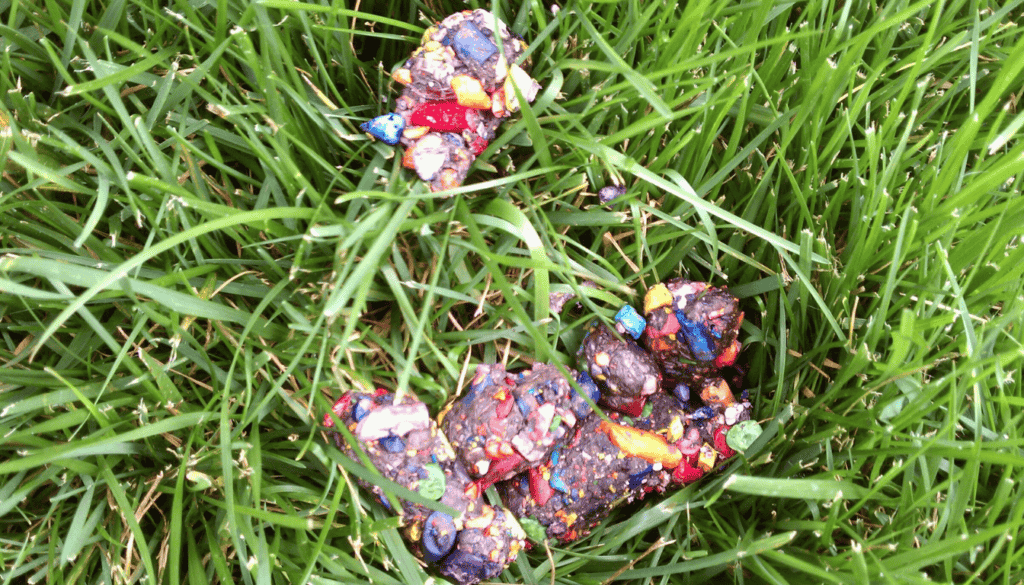
How long does it take for a dog to pass a crayon?
Ah, the million-dollar question! If you’re waiting for your dog to produce a colorful masterpiece in the backyard, you might be in for a bit of a wait.
The journey of a crayon through your dog’s digestive system isn’t exactly a speedy process.
Generally speaking, it can take anywhere from 10 to 24 hours for food to make its way through a dog’s digestive system.
However, non-food items like crayons might take a little longer.
Think of it as a slow-moving train through your dog’s intestinal tracks, with occasional stops along the way.
The exact time can vary depending on a few factors:
- Size of your dog: Bigger dogs tend to have faster transit times than smaller ones. It’s like comparing an express train to a local one.
- Amount ingested: A single crayon might pass quicker than a whole box. It’s the difference between a single passenger and a crowd trying to get through a turnstile.
- Your dog’s diet: A diet high in fiber can help speed things along. It’s nature’s way of greasing the wheels, so to speak.
- Your dog’s activity level: Active dogs often have more efficient digestive systems. Think of it as giving that crayon a little extra push through exercise.
Now, you might be tempted to spend the next day or two staring at your dog’s rear end, waiting for the grand finale.
But trust me, that’s not necessary (or pleasant for anyone involved).
Instead, keep an eye on your dog’s behavior and bowel movements over the next couple of days.
You might start seeing signs of the crayon in your dog’s feces within 24 to 48 hours after ingestion. Don’t be alarmed if you see flecks of color in their poop – that’s actually a good sign!
It means the crayon is making its way out naturally.
However, if you don’t see any signs of the crayon after 72 hours, or if your dog starts showing any concerning symptoms like vomiting, loss of appetite, or lethargy, it’s time to give your vet a call.
Better safe than sorry, right?
Remember, every dog is different. Some might pass that crayon faster than you can say “abstract expressionism,” while others might take their sweet time about it.
The key is to stay patient, keep your dog comfortable, and remember that this too shall pass – literally!
Wrapping Up
Well, we’ve certainly covered a colorful topic today!
From understanding why dogs might munch on crayons to knowing what to do if they do, we’ve drawn a pretty clear picture.
Remember, while a crayon snack isn’t typically a dire emergency, it’s always better to err on the side of caution. Keep those art supplies out of reach, train your pup to leave things alone, and always keep an eye out for any unusual behavior.
If you’re ever in doubt, don’t hesitate to ring up your vet – they’re the real experts in this canine canvas. At the end of the day, our furry friends’ health and happiness are what matter most.
So, keep your crayons for coloring books, and let’s leave the artistic expression to us humans. After all, your dog’s masterpieces are best left in the yard, not the emergency room!