All products are independently selected by our editors. If you buy something via the links on our site, we may earn an affiliate commission at no extra cost to you. Learn More >
Every dog needs fresh air and a change of scenery, but knowing how much time outside is enough can be tricky.
Most dogs should spend at least 30 minutes to 2 hours outside each day, split into a few outings, depending on their age, breed, and health.
Letting your dog out isn’t just for bathroom breaks—it helps with exercise, mental stimulation, and happiness.
If you’re not sure what’s right for your pup, you’re not alone. Let’s look at the signs that your dog may need more outdoor time and how you can help them thrive.
Determining the Right Amount of Outdoor Time for Dogs
Every dog needs time outside, but figuring out the right balance depends on several factors.
The best outdoor routine comes from knowing your dog’s age, breed, and daily habits and paying attention to signs they give you.
Factors That Affect Outdoor Needs
A dog’s breed, size, and energy level influence how much time they should spend outside. Large breeds like Labradors or Border Collies usually have more energy and need longer walks or play sessions.
In contrast, smaller breeds or low-energy dogs, such as Bulldogs, may get tired faster.
Weather matters, too. Extreme heat or cold can be dangerous even for very active dogs.
Puppies and older dogs are extra sensitive to temperature changes and may need shorter outdoor periods on very hot or cold days.
The American Veterinary Medical Association suggests that routine exercise is necessary for most dogs to avoid boredom and health issues.
The quality of outdoor activities, like playing fetch or walking in new places, can be just as important as the time spent outside.

Recognizing Signs Your Dog Needs More or Less Time Outside
Your dog can’t tell you what they need in words, but their behavior gives clear signs. If your dog paces, barks often, chews on things, or seems restless, they may need more outdoor activity.
On the flip side, if your dog is shivering, limping, or hiding after being outside, these could be signs they need less time outside.
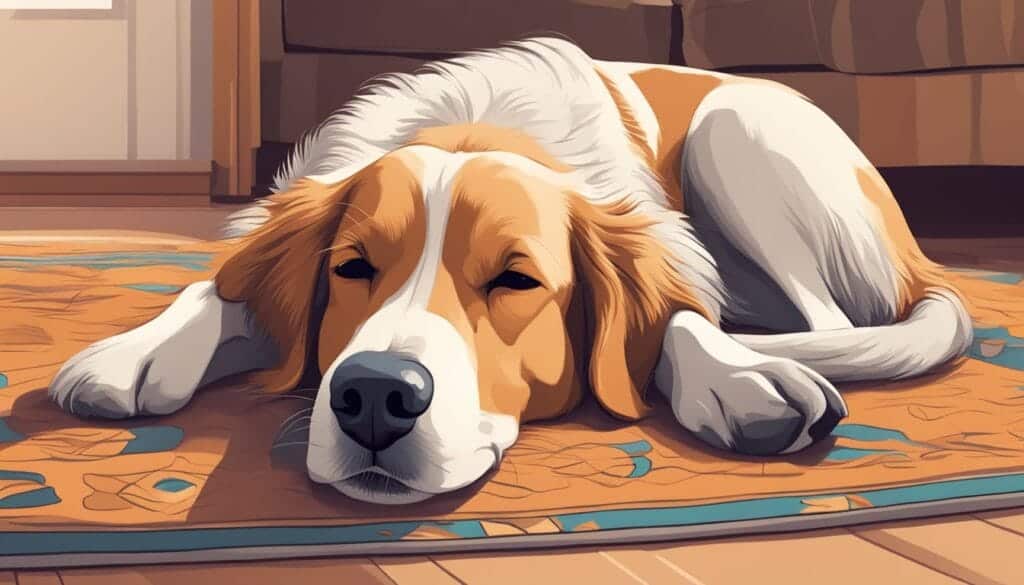
Dogs who lay down or want to go back in quickly may have had enough for the day.
It helps to pay attention to any changes in your dog’s mood, appetite, or energy after outdoor time.
I recommend keeping a simple list, like the one below, to track changes:
- Increased chewing or barking: May need more outside time
- Refusal to go out: May be tired, sick, or has had enough
- Happy and calm indoors: Likely getting the right amount
Recommended Outdoor Time by Life Stage
How much time your dog needs outdoors changes as they grow. Puppies are full of energy but have short attention spans and need shorter, more frequent trips outside.
Adult dogs, depending on breed and health, often benefit from 30 minutes to two hours split across several outings each day.
Senior dogs slow down as they age. They may only need short, gentle walks, with more bathroom breaks.
The American Veterinary Medical Association recommends watching for limits in older dogs and adjusting time outdoors so they don’t get too tired or sore.
Here’s a quick table for guidance:
| Life Stage | Average Daily Outdoor Time | Notes |
|---|---|---|
| Puppy | 5–15 min, 4–6x/day | Watch for signs of tiredness |
| Adult | 30–120 min, 1–3x/day | Varies by breed and energy |
| Senior | 10–30 min, 2–4x/day | Focus on comfort and safety |
Your dog’s needs may change over time, so check in with your veterinarian if you have concerns.
Making Outdoor Time Fun and Enriching
Going outside shouldn’t feel like a chore for you or your dog. The more enjoyable you make it, the more both of you will look forward to it.
And let’s be honest, dogs are a bit like us – routine is fine, but a little variety keeps things interesting.
Here are a few simple ways to make outdoor time more enriching:
- Switch up your walking routes. Even a new street or park bench can bring fresh sights and smells that mentally stimulate your dog.
- Let them sniff. You don’t have to power-walk the whole way. Slowing down to let your dog sniff around is like reading the newspaper to them.
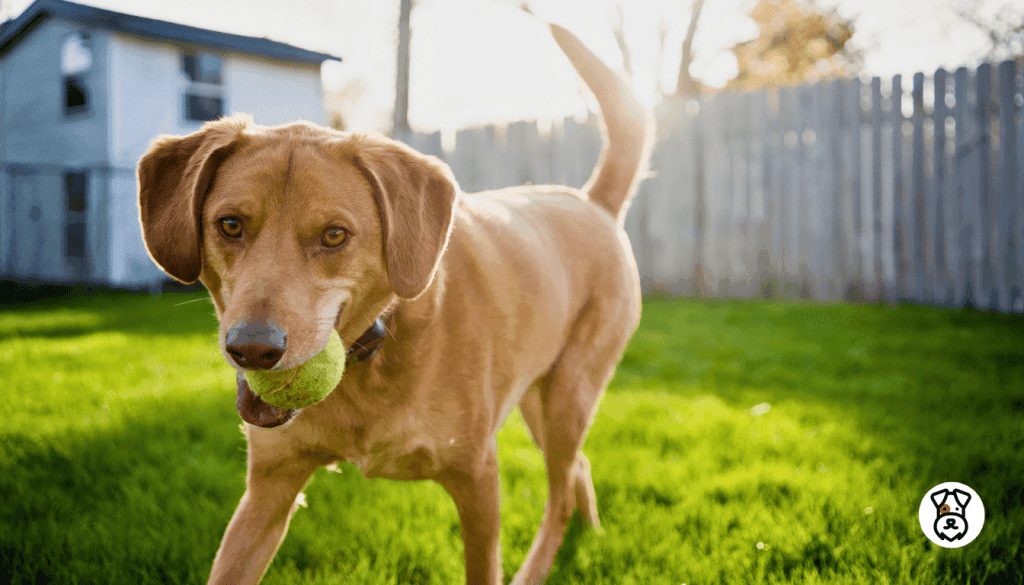
- Play games. A game of fetch, tug-of-war, or even hide-and-seek (you hide, they find) can break up the usual walk.
- Try a dog-friendly hike or beach. New environments challenge their brains and burn off energy.
- Use interactive toys. Puzzle toys or treat-dispensing balls can keep them engaged even in your own backyard.
Remember, quality matters as much as quantity.
Ten minutes of play and bonding is often better than thirty minutes of distracted leash-walking while you scroll your phone.
Outdoor time isn’t just about physical health. It’s how dogs explore the world, build confidence, and strengthen their bond with you.


Final Thoughts
Spending time outside is one of the best things you can do for your dog’s health and happiness.
Whether it’s a quick walk around the block or a full-on park adventure, getting outdoors helps your pup stay physically fit, mentally sharp, and emotionally balanced.
There’s no perfect number that works for every dog, but with a little attention and flexibility, you’ll find the right routine.
Keep an eye on your dog’s behavior, mix things up, and most importantly, make it something you both enjoy.
After all, fresh air, sunshine, and a wagging tail? That’s a pretty good combo.