All products are independently selected by our editors. If you buy something via the links on our site, we may earn an affiliate commission at no extra cost to you. Learn More >
As our furry friends age, their exercise needs change. Senior dogs benefit from gentle activities that keep them active without overexertion.
These low-impact exercises help maintain their health, mobility, and overall well-being.
Tailored workouts for older canines can improve their quality of life and prevent common age-related issues.
From short walks to swimming, there are many ways to keep senior dogs moving comfortably. The right mix of gentle exercises can help them stay fit, happy, and energetic in their golden years.
Your senior dog will love these!
1. Walking on a Leash
Walking on a leash is an excellent low-impact exercise for senior dogs. It provides gentle movement without putting too much strain on aging joints.
Short, slow-paced walks allow older dogs to stay active and maintain muscle strength.
Start with brief 5-10 minute walks and gradually increase the duration as the dog builds stamina.
Pay attention to the dog’s energy levels and adjust accordingly.
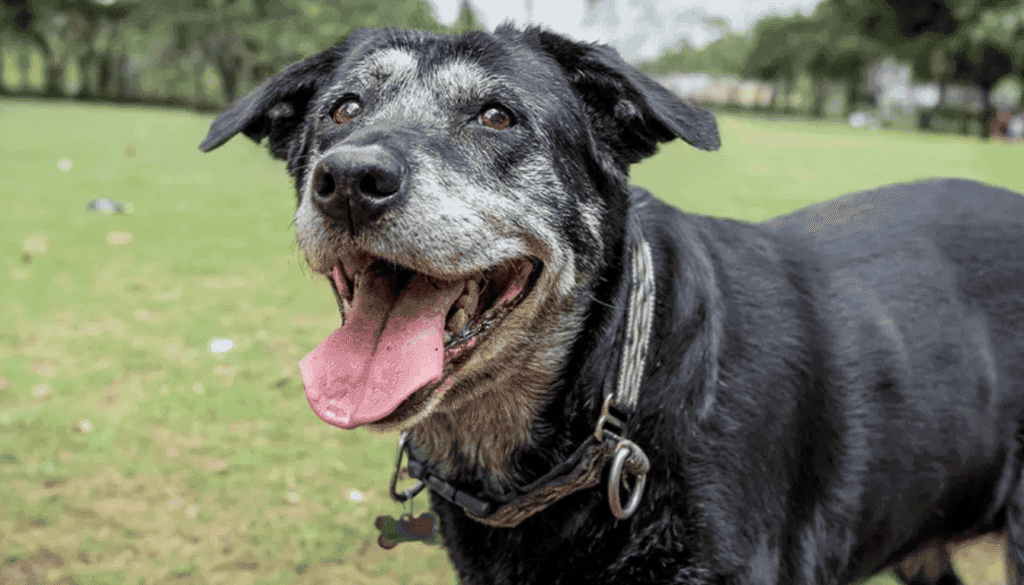
Soft surfaces like grass or dirt trails are easier on a senior dog’s paws and joints than hard pavement.
Use a harness instead of a collar to reduce pressure on the neck. This is especially important for dogs with respiratory issues or spinal problems.
Choose a harness that’s easy to put on and take off to avoid causing discomfort.
Let the dog set the pace and take breaks as needed. Sniffing and exploring are important mental stimulation for older dogs.
Bring water on longer walks to keep the dog hydrated, particularly in warm weather.
Always monitor the dog for signs of fatigue or discomfort. If the dog starts panting heavily or slowing down significantly, it’s time to head home.
Consistency is key – aim for daily walks to maintain the dog’s mobility and overall health.
2. Gentle Fetch Games
Gentle fetch games offer senior dogs a fun way to stay active without overexertion. These modified versions of traditional fetch accommodate older pups’ reduced mobility and energy levels.
One option is “roll fetch,” where the owner rolls a soft ball short distances for the dog to retrieve. This eliminates the need for high jumps or long runs that might strain aging joints.
Another variation is “find it” fetch. The owner hides a favorite toy nearby and encourages the dog to locate it using their sense of smell. This mental stimulation combines with gentle physical activity.
Water fetch can be ideal for senior dogs with arthritis or joint pain. The buoyancy of water supports their body weight, making movement easier and more comfortable.
For indoor play, owners can toss soft toys onto a carpeted area or bed. This provides a cushioned landing spot and keeps the game contained in a small space.
3. Swimming Sessions
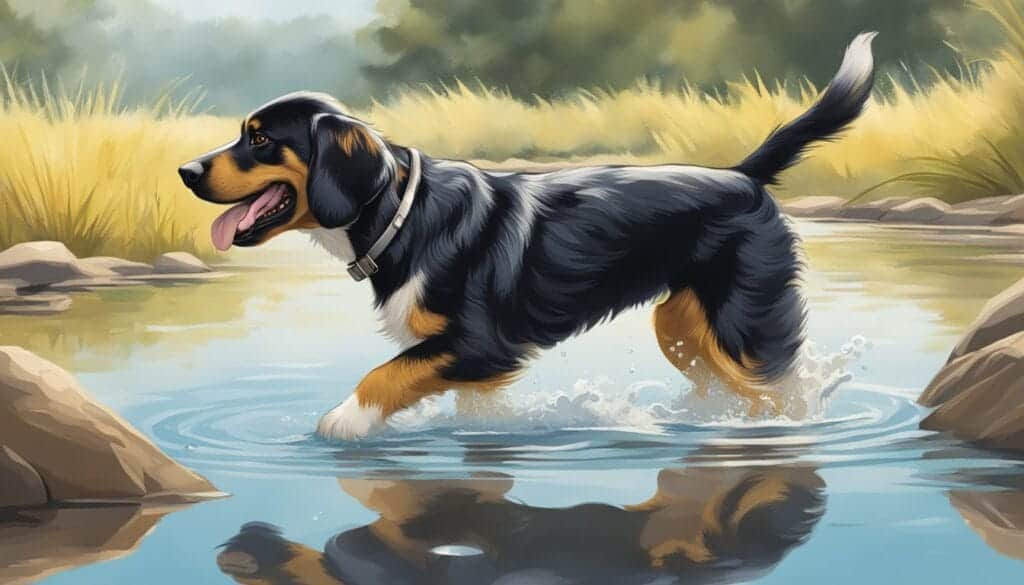
Swimming offers senior dogs a low-impact workout that’s easy on their joints. Many older canines enjoy paddling in pools or calm lakes. The water supports their body weight, reducing stress on arthritic limbs.
Before starting, check with a vet to ensure swimming is safe for your dog. Some health conditions may make it unsuitable.
Always supervise your pet in the water and use a doggy life jacket for extra safety.
Start with short sessions of 5-10 minutes. Gradually increase the time as your dog builds stamina.
Choose quiet, shallow areas for swimming to avoid overwhelming your senior pet.
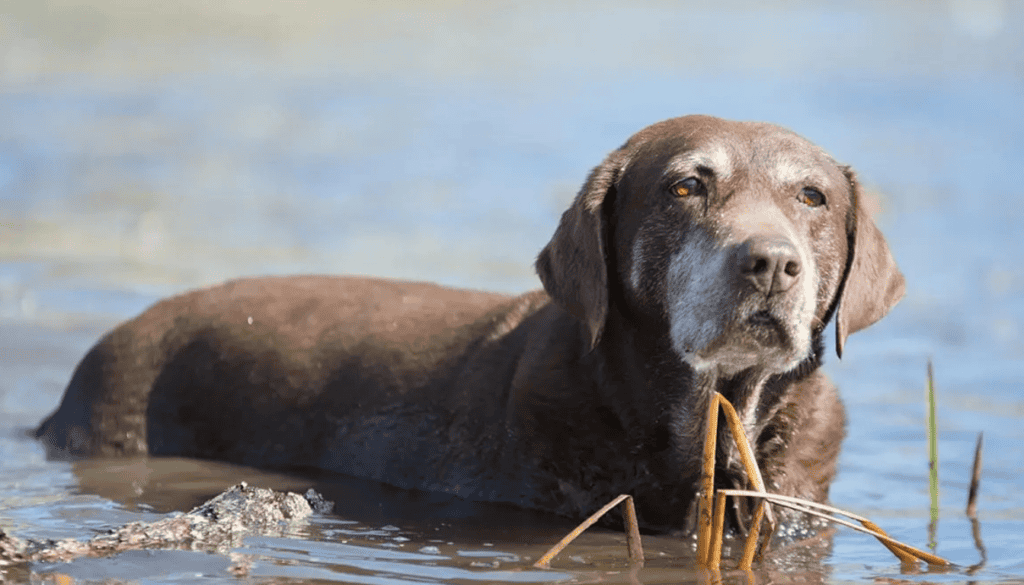
After each swim, rinse your dog with fresh water to remove chlorine or other irritants. Dry them thoroughly, paying special attention to their ears to prevent infections.
Swimming can help maintain muscle strength and improve cardiovascular health in older dogs. It’s also a fun activity that many seniors look forward to, providing mental stimulation alongside physical benefits.
4. Slow-Paced Hide and Seek
Slow-paced hide and seek is a fun and gentle exercise for senior dogs. This game helps keep their minds active and encourages light movement.
To play, the owner hides treats or toys around the house or yard.
The dog uses their nose to find the hidden items. This stimulates their sense of smell and provides mental stimulation.
It’s important to start with easy hiding spots and gradually increase difficulty.
Owners should praise their dog when they find each item. This positive reinforcement keeps the game enjoyable.
The slow pace allows older dogs to participate without straining themselves.
For dogs with mobility issues, items can be hidden at ground level. This prevents the need for jumping or climbing.
The game can be adapted to suit each dog’s abilities and energy level.
Regular sessions of hide and seek can help maintain a senior dog’s cognitive function. It also strengthens the bond between pet and owner. This low-impact activity is ideal for dogs who can’t handle more strenuous exercises.
5. Tug-of-War with Soft Toy
Tug-of-war is a fun game that can be adapted for senior dogs. It provides gentle exercise and mental stimulation.
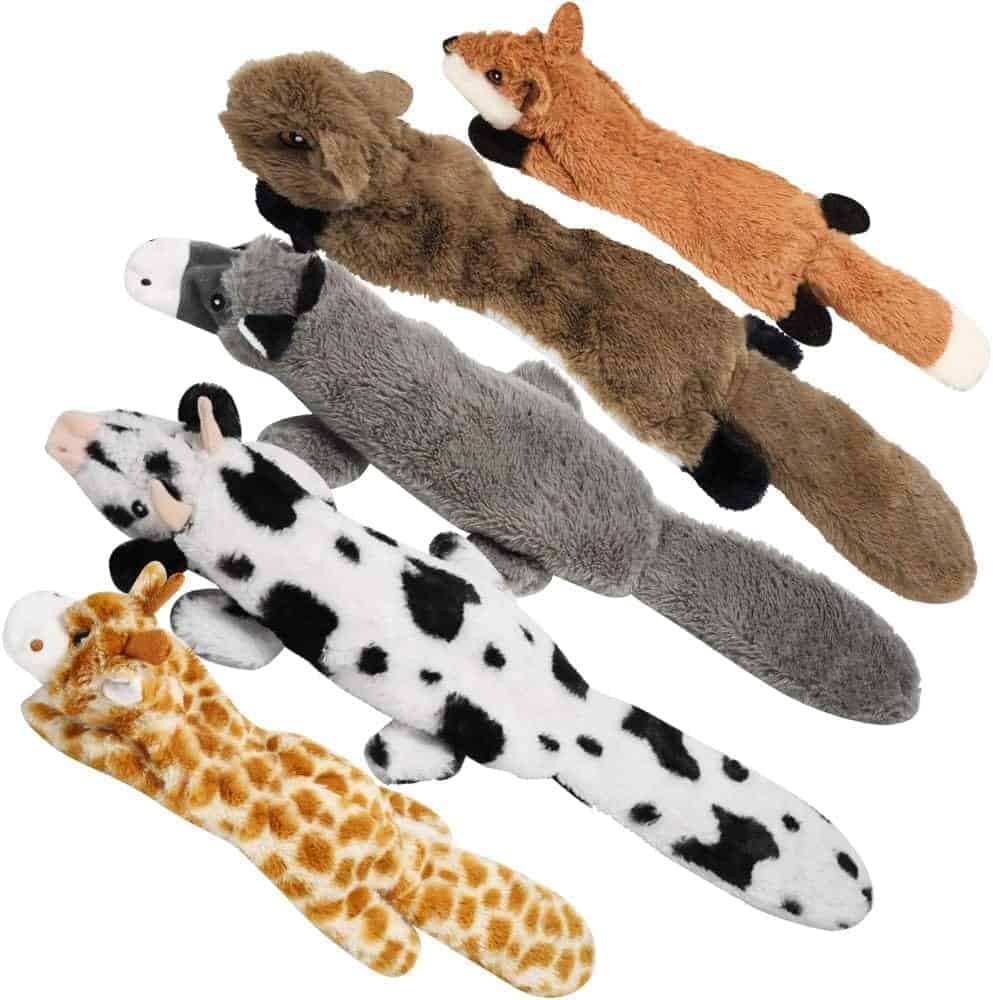
Owners should choose a soft, plush toy that’s easy on the dog’s teeth and gums.
The game starts with the owner holding one end of the toy and encouraging the dog to grab the other end.
Gentle pulling back and forth mimics the natural tugging motion. This helps maintain muscle strength in the dog’s jaw and neck.
It’s important to keep the pulling motion slow and controlled. Senior dogs may have joint issues or reduced strength.
The owner should let the dog win frequently to boost confidence and enjoyment.
Short sessions of 2-3 minutes are ideal for older dogs. This prevents overexertion while still providing benefits.
Regular breaks allow the dog to rest and stay comfortable during playtime.

6. Stair Climbing with Assistance
Stair climbing can be a beneficial exercise for senior dogs when done safely. This activity helps strengthen their leg muscles and improves balance.
It’s important to start slowly and provide support.
Owners should use a harness or leash to guide their dog up and down the stairs. They can walk beside or behind the dog, offering gentle assistance as needed.
Short sessions of 2-3 stairs at a time are best to begin with.
As the dog gains confidence, the number of stairs can be gradually increased.
Treats can be used to encourage the dog and make the exercise more enjoyable.
It’s crucial to watch for signs of fatigue or discomfort.
Carpeted stairs are ideal for this exercise, as they provide better traction.
If only hardwood stairs are available, non-slip mats can be placed on each step. This helps prevent slipping and makes the dog feel more secure.
Regular stair climbing can help maintain a senior dog’s mobility. However, it’s essential to consult with a veterinarian before starting this or any new exercise routine.
7. Stretching Exercises
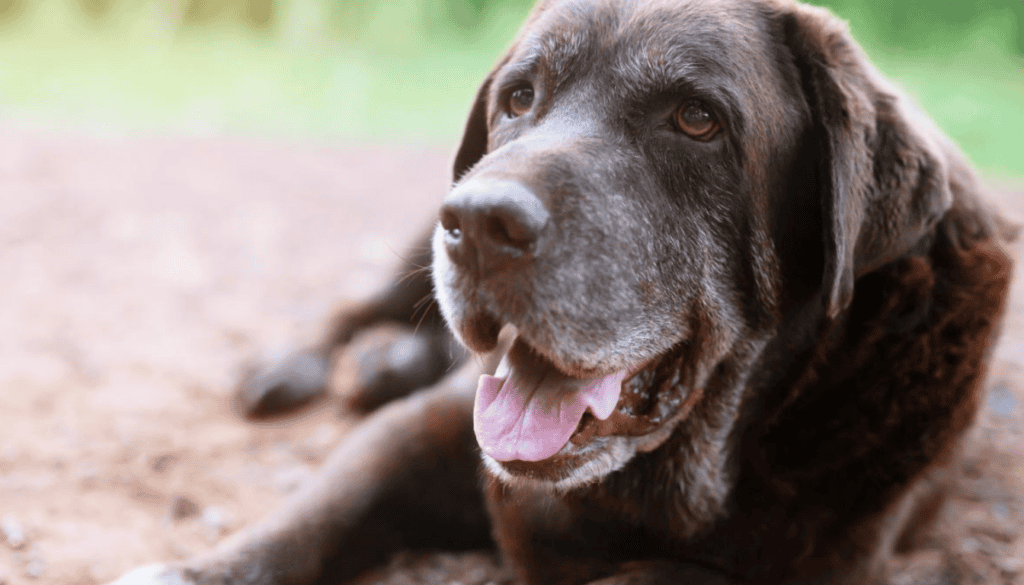
Stretching exercises can help senior dogs maintain flexibility and reduce stiffness in their joints. These gentle movements promote better circulation and range of motion.
A simple neck stretch involves holding a treat near the dog’s nose and slowly moving it towards their shoulder.
Another effective stretch targets the back muscles. The owner can gently place one hand on the dog’s chest and the other on its hindquarters, then slowly bring the two ends closer together. This creates a slight arch in the dog’s back.
For the hind legs, owners can carefully lift and extend one leg at a time, holding it for a few seconds before releasing. This helps keep the hip joints limber.
Front leg stretches involve gently pulling the leg forward and holding briefly.
It’s important to perform these exercises slowly and stop if the dog shows any signs of discomfort.
Always consult with a veterinarian before starting a new exercise routine for a senior dog.
Regular stretching can significantly improve a dog’s mobility and quality of life in its golden years.
8. Balance on Wobbly Surface
Balancing on an unsteady surface helps senior dogs improve their coordination and stability. This gentle exercise strengthens core muscles and enhances proprioception, which is the awareness of body position.
To start, place a cushion or folded towel on the floor. Encourage the dog to stand on it with all four paws. If needed, offer treats to entice them onto the surface.
Once the dog is comfortable, gradually increase the challenge.
Try using different textures or slightly inflated exercise balls designed for dogs.
Always supervise these activities and provide support if the dog seems unsteady.
Keep sessions short, around 30 seconds to 1 minute, depending on the dog’s ability.
As the dog’s balance improves, introduce gentle movements. Ask them to sit or lie down on the wobbly surface. This adds an extra layer of difficulty and further enhances their balance skills.
Remember to praise and reward the dog for their efforts. Positive reinforcement makes the exercise more enjoyable and encourages participation.
With regular practice, senior dogs can maintain better balance in their daily activities.
9. Light Treadmill Walks
Light treadmill walks offer a controlled exercise environment for senior dogs. This low-impact activity helps maintain muscle tone and joint flexibility without putting too much stress on aging bodies.
Owners should start with very short sessions, perhaps just a minute or two. Gradually increase the duration as the dog becomes more comfortable.
The speed should be kept slow, allowing the dog to maintain a relaxed walking pace.
It’s crucial to introduce the treadmill slowly and positively.
Treats and praise can help make the experience enjoyable for the dog. Some dogs may need time to adjust to the sound and movement of the machine.
Safety is paramount. The dog should always wear a harness, not a collar, when on the treadmill.
An adult should supervise the entire session to prevent accidents.
Regular treadmill walks can be especially beneficial for dogs with limited outdoor access due to weather or mobility issues. It provides a consistent exercise option regardless of external conditions.
10. Scent Work Activities
Scent work activities provide an excellent low-impact exercise for senior dogs. These activities engage a dog’s natural instincts and stimulate their mind.
Owners can hide treats or toys around the house for their elderly pet to find.
This type of exercise is gentle on aging joints while still providing mental stimulation.
It keeps senior dogs active without putting too much stress on their bodies.
Scent work can be adapted to suit any dog’s ability level.
For beginners, owners can start by placing treats in easy-to-reach spots.
As the dog improves, the difficulty can be increased gradually. More challenging hiding spots or introducing new scents can keep the activity interesting.
Scent work can be done indoors or outdoors, depending on the dog’s mobility.
It’s a versatile exercise that can be tailored to each dog’s needs. This activity also strengthens the bond between dogs and their owners.
11. Dog Yoga (Doga)
Dog yoga, or “doga,” is a gentle exercise that combines yoga poses with canine companionship. It’s a fun way for seniors and their dogs to bond while improving flexibility and relaxation.
In doga sessions, pet owners guide their dogs through stretches and poses. Some positions involve the dog sitting or lying on their human’s body. Others have the owner supporting the dog in various stretches.
This activity can help older dogs maintain joint mobility and muscle strength. It also promotes calmness and reduces stress for both the dog and owner.
Doga doesn’t require special equipment. A yoga mat and some treats for the dog are usually enough.
Sessions can be tailored to suit the abilities of both the senior dog and their human partner.
It’s important to start slowly and not force dogs into uncomfortable positions.
Short, frequent sessions are often more beneficial than long, intense ones for older dogs.
12. Interactive Food Puzzles
Interactive food puzzles offer senior dogs a gentle way to exercise their minds and bodies. These toys challenge dogs to solve problems to access treats or kibble. They come in various shapes and difficulty levels.
Simple puzzles include rubber toys with holes for hiding treats. Dogs must roll or chew the toy to release the food.
More complex puzzles have sliding parts or flip lids that dogs need to manipulate.
These puzzles can help slow down eating for dogs who gulp their food. This can aid digestion and make mealtimes last longer. It also gives older dogs a sense of accomplishment.
Senior dogs may take longer to solve puzzles than younger ones. Owners should be patient and offer encouragement.
Starting with easier puzzles can build confidence before moving to trickier ones.
Regular use of food puzzles can keep aging dogs mentally sharp. It taps into their natural foraging instincts. This mental stimulation can help prevent cognitive decline in older dogs.
Benefits of Gentle Exercises for Senior Dogs
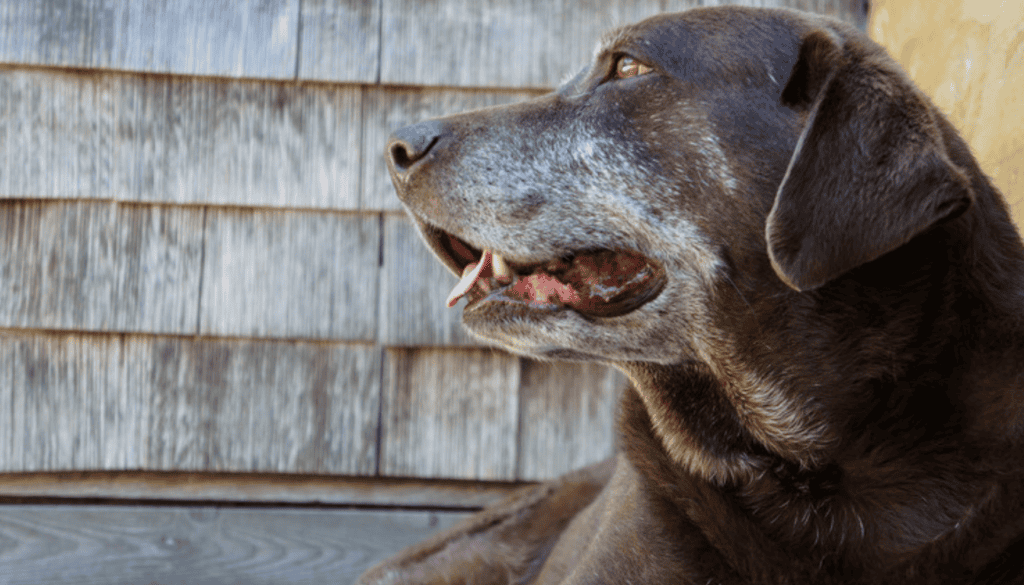
Regular, mild physical activity can greatly improve an older dog’s quality of life. It helps keep them mobile and boosts their mood.
Maintaining Mobility
Gentle exercises help senior dogs stay active and limber. These activities can reduce joint stiffness and pain from conditions like arthritis.
Short walks, swimming, and light play sessions can maintain muscle strength.
Regular movement also aids in weight control. This is key for older dogs, as excess pounds strain aging joints.
Keeping a healthy weight through exercise can prevent or slow the progress of mobility issues.
Gentle exercises also boost circulation. This helps deliver nutrients to joints and muscles. It can speed healing and reduce swelling in sore areas.
Boosting Mental Health
Physical activity stimulates a dog’s mind, which is vital for older pets. Gentle exercises provide mental stimulation and help prevent boredom.
This can reduce anxiety and depression in senior dogs.
Regular outings expose dogs to new sights, sounds, and smells. These sensory experiences keep their minds sharp.
Even short walks can offer mental benefits.
Exercise also promotes better sleep patterns in older dogs. This leads to improved rest and recovery.
Better sleep can enhance mood and cognitive function in aging pets.
Gentle activities strengthen the bond between dogs and their owners. This social interaction is crucial for a senior dog’s emotional well-being.
Wrapping Up
Senior dogs can stay active and healthy with gentle exercises. These activities help keep them mobile and happy in their golden years.
From short walks to swimming, there are many options to suit different abilities. Mental stimulation through puzzle toys and nose work also plays a key role.
It’s important to tailor exercises to each dog’s needs. Some may enjoy slow jogs, while others prefer gentle stretching. Always check with a vet before starting new routines.
With the right approach, older dogs can maintain strength and flexibility.
Regular, low-impact exercise helps manage weight and boosts mood in senior pets. It also strengthens the bond between dogs and their owners.
By incorporating these activities, senior dogs can enjoy a better quality of life as they age.