All products are independently selected by our editors. If you buy something via the links on our site, we may earn an affiliate commission at no extra cost to you. Learn More >
Dogs are beloved companions, and watching them age can be challenging for pet owners. As our furry friends get older, they may show changes in behavior that signal the end of their life is near.
‘Recognizing these signs can help us provide the best care and comfort for our aging canine companions.
Knowing what to look for in an elderly dog’s behavior is crucial for pet parents. While some changes are normal parts of aging, others may point to more serious health issues.
In this article, I will explore six common behaviors that often appear in dogs nearing the end of their lives.
1. Increased Withdrawal
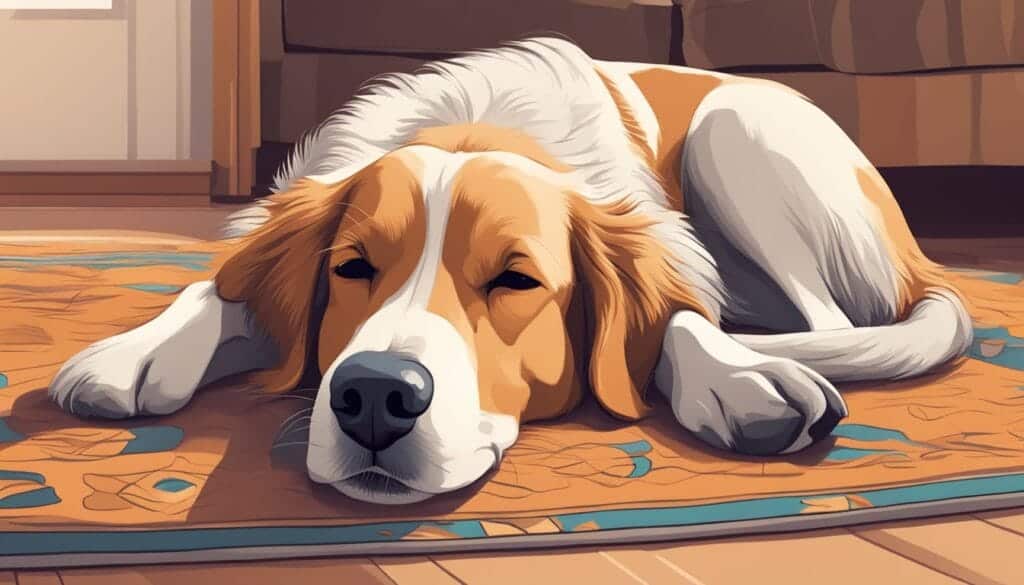
As dogs approach the end of their lives, they often become more withdrawn. This change in behavior can be subtle at first.
Older dogs may spend more time alone in quiet spots of the house. They might not greet their owners at the door as enthusiastically as before.
Some dogs may avoid interaction with family members or other pets. They may seem less interested in activities they once enjoyed, like playing fetch or going for walks.
This withdrawal can be a sign that the dog is feeling unwell or experiencing pain.
Owners might notice their aging dog sleeping more than usual. The pet may not respond as quickly to their name or commands.
In some cases, the dog might seek out isolated areas to rest, like under furniture or in closets.

It’s important to pay attention to these changes in behavior. While increased withdrawal can be a normal part of aging, it can also indicate underlying health issues.
Regular vet check-ups can help determine the cause and provide appropriate care for the aging dog.
2. Loss of Appetite
As dogs approach the end of their lives, they often show a decreased interest in food. This change can be concerning for pet owners. Many dogs start to refuse meals or become picky eaters.
There are several reasons for this loss of appetite. Illness or certain medications can affect a dog’s sense of smell or taste, making food less appealing to them.
Pet owners can try some strategies to encourage eating. Offering foods with strong aromas might spark interest. Warming up meals can also enhance the smell, making them more enticing.
Smaller portions may be less overwhelming for older dogs. This approach can sometimes make eating seem more manageable.
If appetite loss persists, veterinary help is important. Vets can check for underlying issues causing the problem. They might suggest appetite stimulants or anti-nausea medications if needed.
Recognizing this sign early allows owners to adapt and seek proper care. It’s a common part of a dog’s end-of-life journey, but support can make a difference.
3. Labored Breathing
Labored breathing is a common sign in aging dogs nearing the end of life. It often appears as rapid, shallow breaths or noticeable effort to inhale and exhale. Dogs may pant more frequently, even at rest.
This change in breathing can stem from various health issues. Heart problems, lung disease, or fluid buildup in the chest cavity can all cause difficulty breathing.
Some dogs may adopt a hunched posture or extend their neck to ease airflow. Owners might notice their dog’s chest and abdomen moving more visibly with each breath.
The dog’s gums or tongue may take on a bluish tint, indicating poor oxygen circulation. In severe cases, dogs might breathe through an open mouth or make wheezing sounds.
It’s crucial to monitor a dog’s breathing patterns closely. Any sudden changes or signs of distress warrant immediate veterinary attention.
While labored breathing doesn’t always signal imminent death, it’s a serious symptom that requires professional evaluation and care.
4. Incontinence
Incontinence is a common issue that affects many older dogs nearing the end of their lives. It involves a loss of control over bladder or bowel functions.
Some dogs may have accidents while sleeping, while others might urinate or defecate as they walk around. This loss of control can be distressing for dogs, as they usually don’t intend to soil the house.
It’s important for pet owners to respond with patience and understanding. Scolding or punishing a dog for these accidents can increase their stress levels.
To help manage incontinence, owners can take their dogs outside more frequently. This gives them more opportunities to relieve themselves in appropriate areas.
In some cases, medication may help treat incontinence, especially if it’s caused by a urinary tract infection.
It’s worth noting that incontinence isn’t always a sign of imminent death. However, it often becomes more severe as a dog’s health declines.
Owners should monitor their pet’s overall condition and consult with a veterinarian if they notice this or other concerning symptoms.
5. Restlessness
As dogs approach the end of their lives, they may exhibit increased restlessness. This behavior can manifest in various ways.
Some dogs pace back and forth or circle repeatedly. Others may have trouble settling down to sleep.
Restless dogs might constantly change positions or locations. They may seem unable to get comfortable. This unease can occur day or night and often disrupts their normal sleep patterns.
Physical discomfort or cognitive changes can cause restlessness. Pain from age-related conditions like arthritis may make it hard for dogs to relax.
Mental confusion due to canine cognitive dysfunction could also lead to restless behavior.
Owners might notice their dog wandering aimlessly or appearing lost in familiar surroundings. Some dogs become more vocal, whining or barking for no apparent reason.
Recognizing restlessness as a potential end-of-life sign allows pet owners to provide comfort and support.
Consulting a veterinarian can help address underlying causes and manage symptoms. Creating a calm environment and maintaining routines may help soothe a restless senior dog.
6. Decreased Mobility
As dogs age, their ability to move around often declines. This change can start slowly. A dog might walk instead of run. Later, they may stumble while walking or slip on smooth floors.
Older dogs often have trouble with stairs or jumping onto furniture. This can be due to arthritis or vision problems, and these issues tend to get worse over time.
Pet owners can help their aging dogs in several ways. Placing food and water bowls in easy-to-reach spots is helpful.
Special dog socks can prevent slipping on tile floors. Ramps can make it easier for dogs to climb stairs or get onto beds.
For small breeds, a dog sling can be useful. It allows owners to carry their pet when the dog gets too tired to walk.
These tools can improve an older dog’s quality of life as they deal with mobility issues.

Understanding End-Of-Life Behavior In Dogs
As dogs near the end of their lives, they often show changes in their behavior and physical condition.
These signs can help owners recognize when their pet is entering their final stage of life.
Physical Changes
Older dogs may eat and drink less as they approach death. They might lose weight and appear thinner. Many dogs become less active and sleep more than usual. Some may have trouble moving around or getting up.
Bathroom habits can change too. Dogs might have accidents inside or struggle to go to the bathroom. Their coat may look dull or messy if they stop grooming themselves.
Breathing patterns can shift. Some dogs breathe faster or have trouble catching their breath. Others might cough more often.
Emotional Variations
Dogs’ emotions can shift near the end of life. Some become more clingy and want to be close to their owners all the time. Others might prefer to be alone and hide away in quiet spots.
Many dogs seem less interested in things they used to enjoy, like toys or walks. They might not respond to their name or commands like before.
Some dogs get confused easily or seem lost in familiar places. Nighttime restlessness is common, with dogs pacing or crying at odd hours.
Changes in how they interact with other pets or people in the home can occur. A normally friendly dog might become snappy, while a shy dog could seek more attention.
Communicating With Your Aging Pet
As dogs age, their communication needs change. Adapting how you interact can help maintain your bond and provide comfort.
Spending Quality Time
Older dogs often crave more attention. Set aside dedicated time each day to be with your pet.
Gentle petting and massage can soothe aching joints. Speak in a soft, calm voice to reassure them.
Short, easy walks let your dog explore at their own pace. This keeps them active without overexertion. Indoor games like hide-and-seek with treats can be fun and stimulating.
Reading aloud or simply sitting together quietly can be calming. This closeness reinforces your connection. Pay attention to your dog’s cues about what activities they enjoy most.
Offering Comfort And Support
Create a cozy, quiet space for your aging dog to rest. Soft bedding and a favorite toy can make them feel secure. Keep their area warm and free from drafts.
Maintain a consistent daily routine. This helps reduce anxiety in older pets. Regular mealtimes and potty breaks provide structure.
Be patient with changes in behavior or abilities. Your dog may need help getting up or going outside. Use a harness or sling for support if needed.
Praise and reward good behavior. This boosts your dog’s confidence as they adjust to aging. Positive reinforcement strengthens your bond during this important time.
Wrapping Up
Caring for an aging dog can be challenging. Knowing the signs of declining health helps pet owners provide comfort in a dog’s final days.
Changes in eating habits, mobility issues, and increased sleep are common indicators. Dogs may also become less social, have trouble controlling bodily functions, or show signs of pain.
Being aware of these behaviors allows owners to make informed decisions about their pet’s care. It’s important to consult a veterinarian if these signs appear.
They can offer guidance on managing symptoms and improving quality of life.
With attentive care and love, owners can help their senior dogs feel comfortable and secure as they reach the end of their journey.
Cherishing the time left together creates lasting memories of a faithful companion.