All products are independently selected by our editors. If you buy something via the links on our site, we may earn an affiliate commission at no extra cost to you. Learn More >
You might’ve heard the old claim that a dog’s mouth is cleaner than a human’s.
Sounds comforting, right? Especially if your dog is a serial face-licker. But let me tell you, this idea is about as reliable as your dog choosing not to roll in something smelly.
The truth?
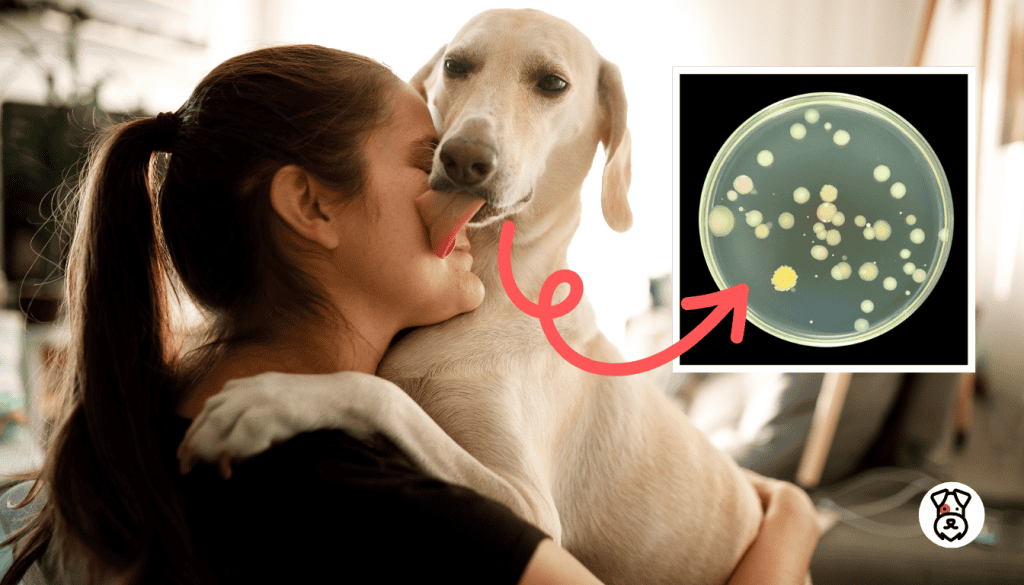
A dog’s mouth is full of bacteria. Sure, some of it is harmless, but some is downright nasty.
And while we share some of the same types of bacteria, there are a lot of dog-specific bugs you definitely don’t want near your face.
Let’s dig into what’s actually going on inside your pup’s mouth (and why you might want to rethink those kisses).
How Clean Is a Dog’s Mouth… Really?
Let’s settle this with a little friendly comparison. Here’s how a dog’s mouth stacks up against some everyday objects.
| Thing | How Clean Is It? (Compared to a Dog’s Mouth) |
|---|---|
| Human Mouth | Cleaner (fewer harmful bacteria) |
| Toilet Seat | Surprisingly cleaner! |
| Kitchen Sponge | Dirtier than both, a bacteria party |
| Dog’s Mouth (post-poop snack) | We don’t want to talk about it… |
| Cat’s Mouth | Still dirty, but fewer poop snacks |
| Well-chewed Dog Toy | Basically a germ hotel |
So, no, your dog’s mouth isn’t some magical sterile space. It’s more like a messy kitchen after a house party.
What’s Really Lurking in There?
Your dog’s mouth is like a sponge for bacteria. They pick up germs from toys, puddles, sticks, trash, and, you know what’s coming, poop.
Dogs explore the world with their mouths, which means they’re constantly collecting new bacteria.
Researchers have found all sorts of microscopic party crashers in dog mouths: E. coli, Salmonella, Pasteurella, and even Capnocytophaga canimorsus, a bacteria that can rarely infect humans through dog bites or open wounds.
While your dog’s immune system is pretty good at managing all this, that doesn’t mean it’s clean.
And it’s why you might not want to share your sandwich or your pillow.

Can Dogs Actually Get Cavities or Gum Disease?
Absolutely.
Dental disease is one of the most common health issues in adult dogs. In fact, by the age of three, most dogs already have some signs of periodontal disease.
Here’s how it starts:
- Plaque forms from food and bacteria.
- Plaque hardens into tartar.
- Tartar builds up under the gumline.
- Gums become inflamed, infected, and painful.
If left untreated, this can lead to tooth loss and even systemic issues affecting the heart, liver, and kidneys.
It’s not just about fresh breath, it’s about full-body health.


The Dirty Truth About Doggy Kisses
We all love the affection.
But your dog licked what this morning?
Here are a few realistic (and slightly gross) things your dog might have tasted before they slobbered on your face:
- The inside of a garbage bin
- A dead bird in the yard
- Their own butt
- Another dog’s butt
- A patch of sidewalk gum from 2008
- Toilet water
And that’s just the stuff you see.
Dogs have a habit of sniffing and licking just about everything they encounter – from muddy shoes to public park benches to other animals’ unmentionables.
Their tongues are like curious toddlers with no boundaries. So when your pup trots over with a big grin and aims for your mouth, it’s worth remembering where that tongue has been.
That affectionate lick is cute… until you think about where that tongue has been.
How Dirty Is Too Dirty?
Some dog breath is completely normal, especially if your dog eats dry kibble or has a love for stinky treats.
But there’s a clear difference between standard “dog breath” and the kind that makes you want to open a window.
If your pup’s breath is knocking you back a foot, that’s a sign it might be more than just mealtime leftovers.
Other signs to look out for include excessive drooling, red or bleeding gums, and your dog pawing at their mouth.
You might also notice them chewing only on one side or showing less interest in food altogether.
These little clues can point to something bigger, like gum disease or tooth pain.
In more advanced cases, you might see loose teeth or swelling around the jaw. That’s a definite sign it’s time to call the vet.
Dental problems can sneak up slowly, but they cause real discomfort, and they won’t fix themselves.
How to Keep Your Dog’s Mouth Clean (Without a Battle)
You don’t have to brush your dog’s teeth daily to make a difference, but regular care matters.
Here’s what helps:
- Start with brushing. Use a dog-specific toothbrush and toothpaste. Start slow, with the front teeth, and reward with treats.
- Add dental chews. Look for ones approved by the Veterinary Oral Health Council (VOHC). They help scrape away plaque while giving your dog a job to do.
- Use dental sprays or water additives. These can help reduce bacteria in between brushings.
- Choose the proper diet. Dry kibble or dental-specific food can help reduce plaque.
- Schedule annual vet checkups. Your vet can spot issues early and may recommend professional cleanings.
It’s all about consistency. You don’t need perfection, just progress.
Final Thoughts: Love the Dog, Skip the Face Lick?
Your dog isn’t trying to gross you out; they’re just being a dog. But it’s okay to set some boundaries when it comes to face kisses.
A little awareness goes a long way. Brushing your dog’s teeth or tossing them a dental chew isn’t just about fresh breath but long-term health.
So maybe save the kisses for after that chew toy session. Or just stick to belly rubs. They’re less… damp.
Clean mouth, happy dog, healthier you.