All products are independently selected by our editors. If you buy something via the links on our site, we may earn an affiliate commission at no extra cost to you. Learn More >
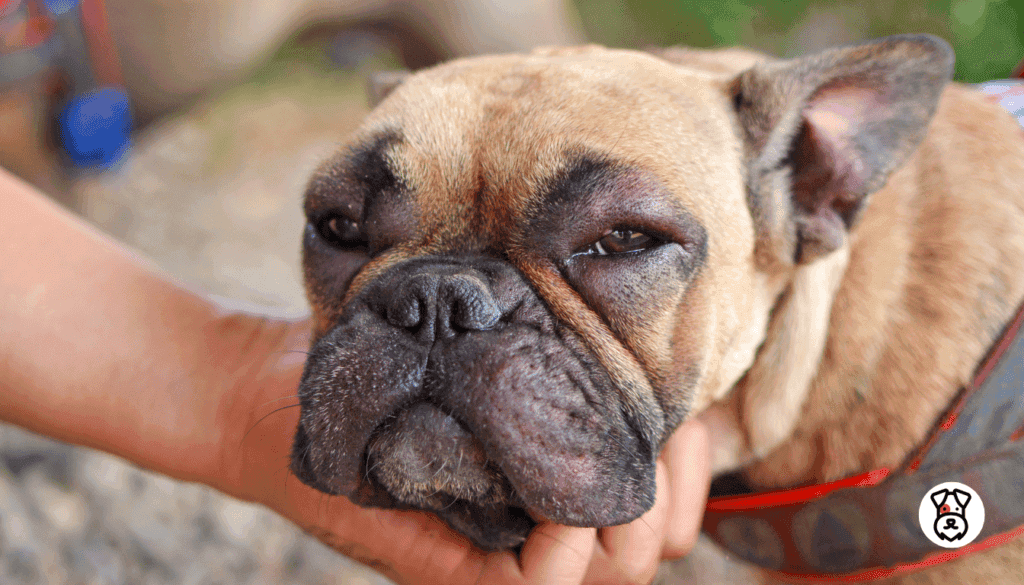
Dogs can have allergies just like humans. These allergic reactions can cause discomfort and health issues for our furry friends.
Knowing the signs of an allergic reaction in dogs is crucial for pet owners to ensure their canine companions get proper care and treatment.
Allergies in dogs can stem from various sources, including food, environmental factors, or even medications.
By learning to spot the symptoms early, dog owners can take swift action to help their pets feel better and prevent more serious complications.
1. Itchy Skin or Excessive Scratching
Dogs with allergies often show signs of itchy skin. They may scratch themselves more than usual. This scratching can happen anywhere on their body. Common spots include their paws, ears, and belly.
Some dogs rub against furniture or the floor to relieve the itch. Others may chew or lick their skin. This behavior can lead to hair loss or red, irritated patches.
The itching might get worse at certain times. For example, it could flare up after eating specific foods or during pollen season. Owners should watch for any changes in their dog’s scratching habits.
If a dog keeps scratching for more than a few days, it’s time to see a vet. The vet can help figure out what’s causing the itch and suggest treatments.
These might include special shampoos, medications, or changes in diet.
2. Sneezing and Coughing
Dogs can experience sneezing and coughing as signs of an allergic reaction. These symptoms often occur when a dog inhales allergens like pollen, dust, or mold spores.
Sneezing in dogs may be accompanied by a runny nose or watery eyes. It can range from occasional sneezes to frequent bouts that disrupt the dog’s daily activities.
Coughing related to allergies typically sounds dry and hacking. It might worsen after physical activity or when the dog gets excited.
Some dogs may also develop a wheezing sound when breathing.
These symptoms can be similar to those of other health issues, such as respiratory infections or heart problems. If a dog shows persistent sneezing or coughing, it’s important to consult a veterinarian for proper diagnosis and treatment.
In some cases, allergy-related sneezing and coughing may worsen during certain seasons, especially spring and fall when pollen counts are high.
Indoor allergens can cause year-round symptoms in sensitive dogs.
3. Swollen Paws
Dogs with allergic reactions may experience swollen paws. This symptom often occurs when a dog comes into contact with an allergen through their feet. The paw pads and the spaces between toes can become puffy and inflamed.
Pet owners might notice their dog licking or chewing at their paws more than usual. This behavior is a response to the discomfort caused by the swelling.
In some cases, the affected paws may feel warm to the touch.
Swollen paws can make walking uncomfortable for dogs. They might limp or show reluctance to put weight on the affected paw. If multiple paws are swollen, the dog may move more slowly or prefer to rest.
It’s important to inspect a dog’s paws regularly for signs of swelling. Early detection can help prevent the condition from worsening.
If swollen paws persist or are accompanied by other symptoms, it’s best to consult a veterinarian for proper diagnosis and treatment.
4. Red or Watery Eyes
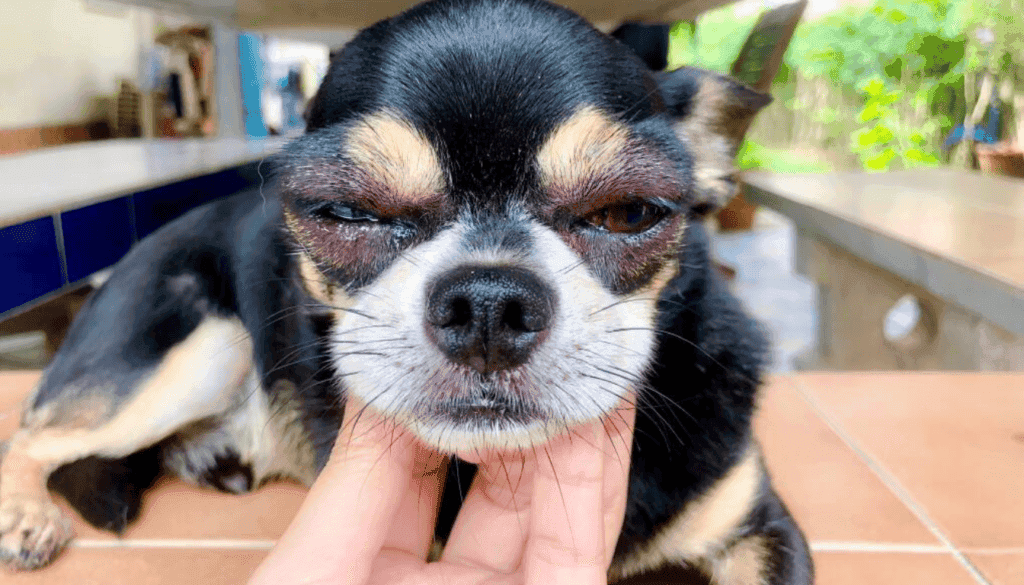
Dogs with allergies often show signs in their eyes. Red, irritated eyes are a common symptom. The whites of their eyes may appear bloodshot or inflamed. Some dogs develop watery eyes that produce excessive tears.
These eye symptoms can cause discomfort for dogs. They might paw at their face or rub their eyes against furniture to find relief.
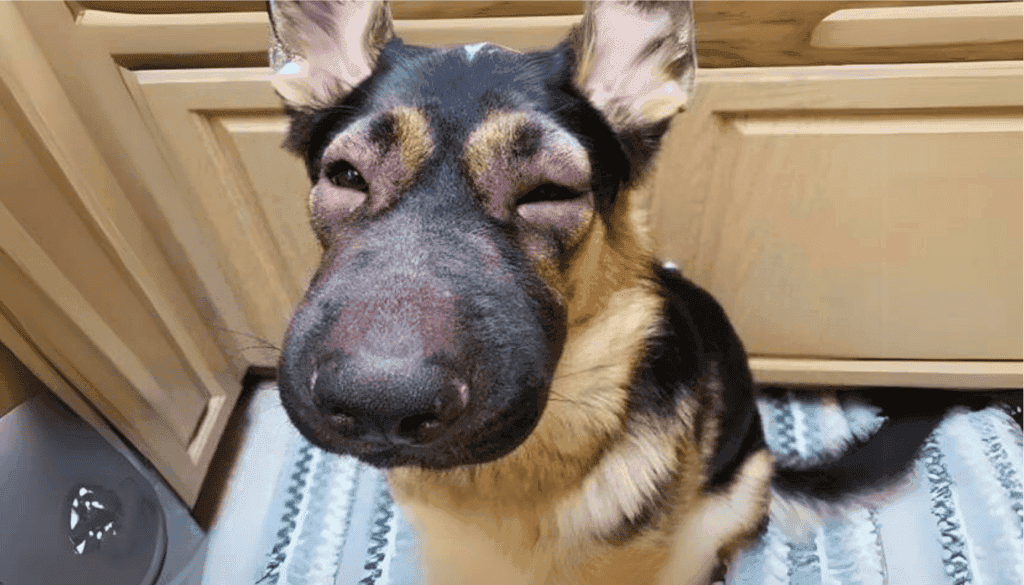
In severe cases, the eyes may swell or develop a discharge.
Red or watery eyes can also indicate other health issues. Infections, injuries, or foreign objects in the eye can cause similar symptoms. It’s important to have a veterinarian examine the dog to determine the underlying cause.
If allergies are to blame, treatment options are available. Veterinarians may recommend eye drops or oral medications to reduce inflammation and discomfort.
In some cases, identifying and removing the allergen from the dog’s environment can help resolve symptoms.
5. Ear Infections
Dogs with allergies often develop ear infections. The ears become itchy and inflamed, leading to discomfort for the animal.
Signs of an ear infection include head shaking, scratching at the ears, and a foul odor.
Redness and swelling inside the ear canal are common symptoms. Dogs may also have dark discharge or wax buildup. Some dogs tilt their heads to one side or rub their ears against furniture or the floor.
Ear infections can cause pain and sensitivity. A dog might yelp or pull away when its ears are touched. In severe cases, balance problems or hearing loss can occur.
Chronic ear infections are a hallmark of allergies in dogs. They often recur even after treatment. Regular cleaning and checking of the ears can help catch infections early.
Prompt veterinary care is crucial for ear infections. Left untreated, they can lead to more serious problems.
The vet will examine the ear canal and may take samples to determine the cause.
6. Hives or Skin Rashes
Hives and skin rashes are common signs of allergic reactions in dogs. These skin issues can appear suddenly and spread quickly across the body.
Dogs may develop red, raised bumps or welts on their skin.
The affected areas often become itchy and uncomfortable for the dog. Owners might notice their pet scratching, biting, or rubbing against furniture more than usual. In some cases, the skin may also feel warm to the touch.
Hives can occur anywhere on a dog’s body but are most noticeable on areas with less fur. Common spots include the belly, inner thighs, and face.
The bumps can vary in size from small dots to large swellings.
Skin rashes may look different from hives. They can cause redness, flaking, or scaling of the skin. Some dogs might lose fur in the affected areas. These rashes can be localized or spread over larger parts of the body.
It’s important to note that not all skin issues are due to allergies. Other causes, like infections or parasites, can produce similar symptoms.
If an owner notices these signs, they should consult a veterinarian for proper diagnosis and treatment.
7. Gastrointestinal Issues
Dogs with allergies may experience stomach problems. These can include vomiting, diarrhea, or both. Some dogs might lose their appetite and refuse to eat.
Excessive gas is another sign of gastrointestinal issues in allergic dogs. Owners may notice their pet’s stomach making loud gurgling noises. This is called borborygmus.
Allergic reactions can cause inflammation in the digestive tract. This leads to discomfort and changes in bowel movements. Dogs may need to go to the bathroom more often than usual.
Some dogs with food allergies may develop constipation instead of diarrhea. They might strain to defecate or produce small, hard stools. This can be uncomfortable for the animal.
If these symptoms persist, it’s important to consult a veterinarian. They can determine if allergies are the cause and recommend appropriate treatment.
8. Breathing Difficulties
Breathing difficulties are a serious sign of an allergic reaction in dogs. Dogs may start panting heavily or breathing rapidly.
Some dogs might make wheezing or whistling sounds when they breathe.
In severe cases, a dog’s throat can swell up. This makes it hard for them to get enough air. You might notice the dog struggling to breathe or gasping for air.
Blue-tinged gums or tongue can indicate the dog isn’t getting enough oxygen. This is a medical emergency. The dog needs to see a vet right away.
Coughing or sneezing fits can also happen during an allergic reaction. These can make it harder for the dog to breathe normally.
If a dog shows any signs of trouble breathing, it’s crucial to act fast. Breathing problems can quickly become life-threatening for dogs.
How Can I Know if My Dog Has Allergies?
Dogs with allergies often show specific signs. Watch for constant scratching, licking, or chewing. Red, irritated skin is another clue. Some dogs may have runny eyes or nose.
Frequent ear infections can point to allergies. So can stomach upset or diarrhea. Paw licking and chewing are common too. Look for redness between your dog’s toes.
Vets can help figure out if your dog has allergies. They might do skin or blood tests. These tests can show what’s causing the problem.
Food allergies need a special approach. Your vet may suggest trying a new diet. This helps pinpoint problem foods.
Some allergens are easier to spot than others. Flea bites often cause clear signs. But pollen allergies can be trickier to identify.
If you notice these signs, talk to your vet. They can rule out other issues and make a plan. With the right care, allergic dogs can feel much better.
Wrapping Up
Knowing the signs of allergic reactions in dogs can help keep our furry friends safe and healthy.
From itchy skin to breathing troubles, these symptoms point to potential allergies. Quick action is key if a dog shows these signs. A vet visit can confirm the cause and create a treatment plan.
Regular check-ups and watching for changes in a dog’s behavior are important. With care and attention, many allergic dogs can live happy, comfortable lives. Remember, each dog is unique. What works for one may not work for another.
By staying alert to these signs, dog owners can catch allergies early. This leads to faster treatment and better outcomes for their pets.