
All products are independently selected by our editors. If you buy something via the links on our site, we may earn an affiliate commission at no extra cost to you. Learn More >
Dogs bring joy and companionship to our lives, but they can also bring a hefty price tag. Many pet owners find themselves struggling to keep up with the costs of food, toys, vet care, and other essentials.
Luckily, there are a few ways to cut down on dog expenses without compromising your furry friend’s well-being.
In this article, I will explain 12 practical tips for saving money as a dog owner. By following these suggestions, you’ll be able to give your pup the best care possible while keeping your budget intact – and who doesn’t like saving money!
If you want to know more, keep on reading to learn some smart strategies that will help both you and your canine companion.
1. DIY Dog Treats

Making homemade dog treats can save pet owners money while ensuring their furry friends enjoy healthy snacks.
Store-bought treats often come with hefty price tags, but DIY alternatives are cost-effective and simple to prepare.
Many recipes use common household ingredients like peanut butter, pumpkin, and oats. These items are typically less expensive than specialized dog treats.
Pet owners can also control the quality and nutritional value of the ingredients.
Baking treats in large batches allows for storage and long-term use. Freezing portions extends their shelf life, reducing waste and saving money over time.
This approach is particularly useful for owners of large dogs or multiple pets.
DIY treats offer flexibility in size and shape. Owners can customize treats to suit their dog’s preferences or dietary needs. This personalization is often not possible with pre-made options.
Homemade treats can also serve as bonding experiences. Dogs often enjoy the smell of baking treats, creating positive associations with the process. This activity can be a fun and rewarding way for owners to show their pets love and care.
2. Use Coupons for Dog Food
Savvy dog owners can save money by using coupons for dog food.
Many pet food companies offer discounts through their websites or social media pages. Grocery stores and pet supply chains also frequently include dog food coupons in their weekly ads.
Signing up for loyalty programs at pet stores can provide access to exclusive deals and savings.
Some stores offer digital coupons that can be loaded onto a loyalty card for easy use at checkout.
Manufacturer websites often have printable coupons or promo codes for online purchases. Combining these with sales at local stores can lead to significant savings on premium dog food brands.
Coupon apps and websites are another resource for finding dog food discounts. These platforms aggregate deals from various retailers, making it easier to spot the best prices.
Buying in bulk when using coupons can maximize savings. Many stores offer additional discounts on larger bags or cases of canned food.
This strategy works well for households with multiple dogs or those with freezer space to store extra food.
3. Buy in Bulk
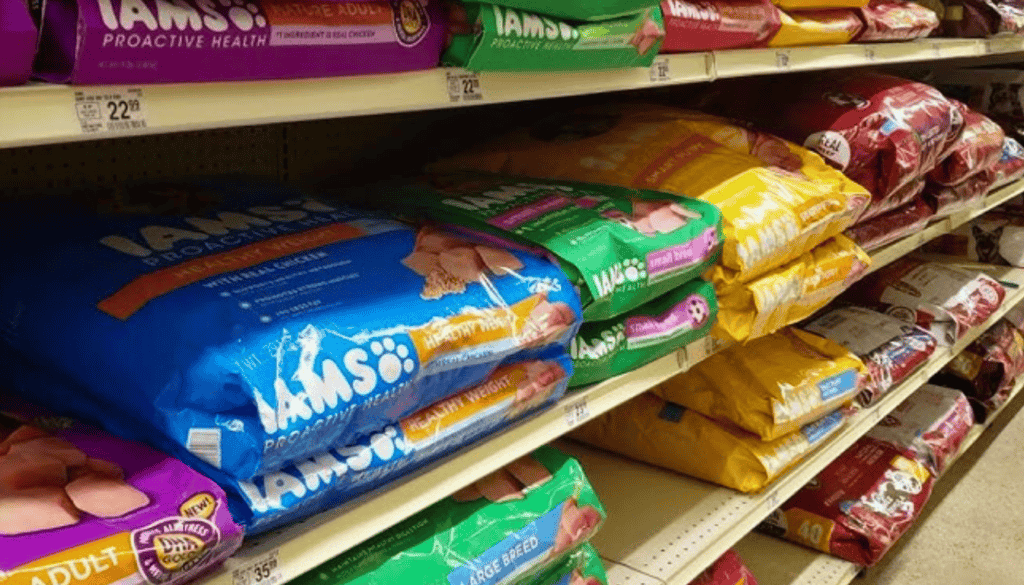
Purchasing dog supplies in bulk can lead to significant savings for pet owners.
Large bags of dog food often cost less per pound than smaller ones. This applies to treats, toys, and other essentials as well.
Many pet stores offer loyalty programs or discounts for bulk purchases. These can add up to substantial savings over time.
Online retailers sometimes provide free shipping for orders over a certain amount, making bulk buying even more economical.
Buying in bulk also reduces the frequency of shopping trips. This saves time and transportation costs.
However, it’s important to consider storage space and expiration dates when making large purchases.
Some items, like flea medication or heartworm preventatives, can be bought in multi-month supplies. This often comes with a discount compared to monthly purchases. Pet owners should check with their veterinarian about bulk options for medications.
For households with multiple dogs, bulk buying becomes even more advantageous. The higher upfront cost is offset by long-term savings and convenience.
4. Pet Insurance Cost Comparisons
Pet insurance can be a smart way to save money on veterinary care. Different companies offer various coverage options and prices, so it’s important to compare plans to find the best value.
Some insurers charge higher premiums but cover more services. Others have lower monthly costs but higher deductibles.
Factors like the dog’s age, breed, and location affect prices too.
Many companies provide online quote tools. These make it easy to compare costs quickly. Some popular providers include Healthy Paws, Nationwide, and Trupanion.
Reading customer reviews can give insight into claim experiences. It’s also wise to check each company’s policy on pre-existing conditions.
Some plans exclude certain health issues or have waiting periods.
Pet owners should consider their budget and their dog’s specific needs. A young, healthy dog might need less coverage than an older one with health problems.
Comparing different plans helps find the right balance of cost and coverage.
5. DIY Dog Toys
Making your own dog toys can be a fun and cost-effective way to keep your furry friend entertained.
Pet owners can use common household items to create engaging playthings for their dogs.
Old t-shirts or socks can be transformed into tug toys by tying knots in them. This simple project requires no sewing skills and provides dogs with hours of fun.
Tennis balls can be repurposed into treat-dispensing toys. Cut a small slit in the ball and fill it with kibble or small treats. As the dog plays with the ball, treats will fall out, keeping them engaged.
Empty plastic bottles can become crinkly toys. Remove the cap and label, then stuff the bottle inside an old sock. Dogs will enjoy the crunchy sound as they play.
Cardboard boxes can be turned into puzzle toys. Cut holes in the box and hide treats inside. This encourages dogs to use their problem-solving skills to retrieve the goodies.
These DIY options not only save money but also reduce waste by reusing items that might otherwise be thrown away. Pet owners can rotate homemade toys to keep their dogs interested and prevent boredom.
6. Adopt Don’t Shop

Adopting a dog from a shelter or rescue organization can be a cost-effective way to bring a furry friend into your life.
Adoption fees are typically lower than the price of purchasing a dog from a breeder or pet store. These fees often include initial vaccinations, spaying or neutering, and microchipping.
Shelters and rescues have dogs of all ages, sizes, and breeds. This variety allows potential owners to find a pet that fits their lifestyle and budget.
Adopting an adult dog can save money on puppy-related expenses like training and housebreaking.
Many shelter dogs are already trained and socialized, which can reduce the need for professional training services.
Additionally, adopting helps reduce the number of animals in shelters and supports organizations that care for homeless pets.
Some shelters offer discounts for senior citizens or military personnel. Others run adoption promotions during certain times of the year. These events can provide even more savings for those looking to adopt.
7. Regular Vet Checkups
Regular vet checkups are crucial for maintaining a dog’s health and saving money in the long run.
These visits allow veterinarians to catch potential issues early, preventing more serious and costly problems later.
During checkups, vets perform physical exams and may recommend vaccinations or preventive treatments.
This proactive approach helps keep dogs healthy and reduces the risk of expensive emergencies.
Many pet owners skip routine visits to save money, but this can backfire. Treating a minor issue is often much cheaper than dealing with a full-blown illness or injury.
Vets can also provide advice on nutrition, exercise, and behavior during these visits. This guidance can help prevent health problems and save on future medical costs.
Some clinics offer wellness plans that include regular checkups at a discounted rate. These plans can make preventive care more affordable for dog owners on a budget.
8. Groom at Home
Grooming a dog at home can save pet owners significant money over time.
Professional grooming services often come with a hefty price tag, especially for larger breeds or those with long coats. By investing in basic grooming tools, owners can handle many tasks themselves.
A good brush, nail clippers, and dog shampoo are essential items to start with.
Regular brushing helps maintain a healthy coat and reduces shedding. It also allows owners to check for any skin issues or parasites.
Bathing a dog at home is straightforward with the right supplies. A non-slip mat in the tub provides stability, while a handheld shower attachment makes rinsing easier.
Using lukewarm water and dog-specific shampoo keeps the pet’s skin and coat healthy.
Nail trimming can be intimidating, but with practice, it becomes manageable. Starting slowly and rewarding the dog with treats helps create a positive association with the process.
If unsure, owners can ask their vet for a demonstration.
Learning to clean a dog’s ears and brush their teeth at home also contributes to long-term cost savings. These simple grooming practices not only save money but also strengthen the bond between pet and owner.
9. Pet Sharing Services
Pet sharing services offer a unique way to cut costs for dog owners.
These platforms connect pet owners with local animal lovers who can provide care. Users can find dog walkers, sitters, or even temporary homes for their pets.
Some services allow owners to share the responsibilities of pet ownership. This can include splitting costs for food, vet bills, and other expenses.
It’s a practical solution for those who want the companionship of a dog without the full-time commitment.
Pet sharing can also help with socialization. Dogs get to interact with different people and potentially other animals. This can lead to better behavior and reduced anxiety.
These services often have insurance and safety measures in place. They typically screen caregivers and provide secure payment options.
This gives owners peace of mind when entrusting their pets to others.
By using pet sharing services, owners can save money on professional pet care. It’s especially useful for those who travel frequently or work long hours. Instead of paying for a kennel, owners can find a trusted caregiver at a lower cost.
10. Purchase Used Pet Gear
Buying secondhand pet items can save dog owners a lot of money.
Many pet supplies are gently used and still in great condition. Online marketplaces and local thrift stores often have a variety of pre-owned pet gear at steep discounts.
Dog crates, carriers, and beds are common items found used. These can cost a fraction of the price of new ones. Toys, leashes, and food bowls are also frequently available secondhand.
It’s important to thoroughly clean and sanitize any used items before giving them to a pet. This helps prevent the spread of germs or parasites.
Fabric items like beds should be washed in hot water.
Some pet gear shouldn’t be purchased used for safety reasons. This includes car harnesses, life jackets, and chew toys. It’s best to buy these new to ensure they’re in proper working condition.
Garage sales and pet-specific swap groups on social media are other good sources for used pet gear. Asking friends and family if they have any hand-me-downs is another option.
11. Automate Food Delivery Subscriptions
Pet owners can save time and money by setting up automatic dog food deliveries.
Many online retailers offer subscription services for pet supplies. These programs often come with discounts and free shipping.
Customers can choose how often they want deliveries. This ranges from weekly to monthly based on their dog’s needs. They don’t have to remember to reorder or make last-minute trips to the store.
Subscription services help avoid running out of food. This prevents impulse purchases of expensive brands at local shops.
Some services also offer the option to easily pause or modify orders as needed.
By buying in bulk through subscriptions, pet owners may get better prices. Many companies offer additional savings for long-term commitments.
This approach can lead to significant cost reductions over time.
Automating food delivery also saves on gas and travel expenses. Pet owners don’t need to make special trips just for dog food.
This is especially helpful for those with busy schedules or limited transportation options.
12. Homemade Dog Shampoo
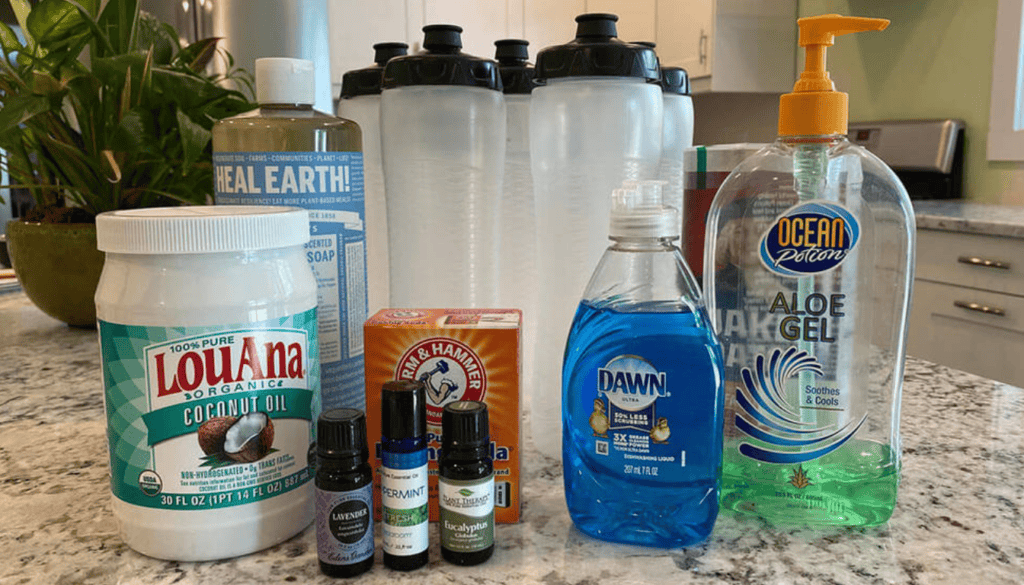
Making dog shampoo at home can save pet owners money while providing a natural alternative to commercial products. The process is simple and requires just a few common household ingredients.
A basic recipe combines water, vinegar, and mild dish soap. These items are typically much cheaper than store-bought dog shampoos.
Pet owners can adjust the ratios to suit their dog’s needs.
For dogs with dry skin, adding a small amount of glycerin or coconut oil can help moisturize. These ingredients are often less expensive when bought in bulk for multiple uses.
Oatmeal is another cost-effective addition that can soothe itchy skin. Grinding plain oats into a fine powder before mixing them into the shampoo creates a gentle cleanser.
Homemade shampoos lack harsh chemicals, which can benefit dogs with sensitive skin. This may reduce the need for additional treatments or medications over time.
Pet owners should consult with a veterinarian before using homemade shampoos, especially for dogs with specific skin conditions. This ensures the chosen ingredients are safe and appropriate for their pet’s needs.
What Do Pet Owners Spend The Most Money On?
Pet owners often spend big bucks on their furry friends. Food tops the list as the biggest expense. Quality kibble or fresh pet meals can cost a pretty penny.
Vet care is another major cost. Regular checkups, vaccinations, and unexpected illnesses add up fast. Many pet parents buy pet insurance to help with these bills.
Grooming services take a bite out of budgets too. Professional baths, haircuts, and nail trims aren’t cheap. Some owners splurge on fancy shampoos and brushes for at-home grooming.
Toys and treats are smaller but frequent expenses. Dogs love new chew toys and tasty snacks. These items often end up in shopping carts during routine errands.
Pet sitting or boarding fees can be steep. Vacations and work trips mean finding care for Fido. Kennels and pet sitters charge daily rates that quickly multiply.
Here’s a breakdown of common yearly pet expenses:
- Food: $250 – $700
- Vet care: $200 – $800
- Grooming: $30 – $500
- Toys/treats: $25 – $150
- Pet sitting: $100 – $500
These costs vary based on the dog’s size, breed, and health needs. Location also plays a role, with city dwellers often paying more for services.
Wrapping Up
Saving money as a dog owner is possible with some smart choices.
This article covered 12 practical ways to cut costs while still giving your furry friend a great life. From buying food in bulk to learning basic grooming skills, these tips can help reduce expenses without sacrificing quality care.
Every small saving adds up over time. By implementing even a few of these suggestions, pet parents can keep more money in their pockets.
The key is finding a balance between being cost-conscious and ensuring your dog’s needs are met.
With these money-saving strategies, dog owners can enjoy their canine companions without breaking the bank. A little creativity and planning go a long way in managing pet expenses effectively.