All products are independently selected by our editors. If you buy something via the links on our site, we may earn an affiliate commission at no extra cost to you. Learn More >
A dog’s nose is often wet and cool, but sometimes it can become dry. This change might worry pet owners.
A dry nose in dogs can have various causes, ranging from normal to more serious health issues.
Many factors can affect a dog’s nose moisture. These include the weather, indoor heating, and the dog’s activity level.
Understanding the potential reasons behind a dry nose can help pet owners decide if they need to see a vet or if it’s just a temporary change.
Keep on reading to discover the reason why your dogs nose might be dry.
1. They’re a Brachycephalic Breed
Some dogs have shorter snouts and flatter faces than others. These are called brachycephalic breeds. Pugs, Boston Terriers, and Boxers fall into this group.
Their unique facial structure can lead to dry noses. The shape of their heads makes it hard for them to lick their noses. This means they can’t moisten them as easily as other dogs.
Brachycephalic breeds may also have breathing issues. These can affect how moist their noses stay. Their short noses and wide heads can make it tough to keep their noses wet.

A dry nose in these breeds isn’t always a big problem. But it’s smart to keep an eye on it. If other symptoms show up, like trouble breathing, it’s time to see a vet.
Some owners use dog-safe moisturizers on their pets’ noses. This can help keep the nose from getting too dry.
But it’s best to check with a vet first before trying this.
2. They Just Woke Up
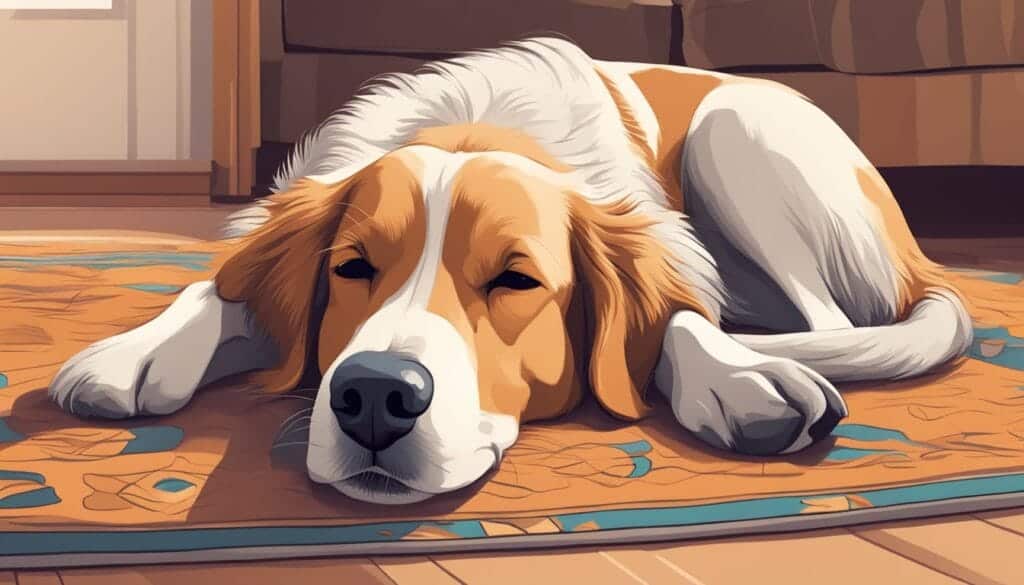
Dogs often have dry noses when they first wake up. This is a normal occurrence, similar to how humans feel thirsty upon waking. During sleep, dogs don’t lick their noses, which can lead to temporary dryness.
When a dog sleeps, whether for a full night or just a short nap, they’re not actively moistening their nose.
This can result in a dry nose immediately after waking. It’s comparable to how people often feel the need to drink water first thing in the morning.
Pet owners need not worry about this temporary dryness. It typically resolves itself within 10 minutes of the dog waking up.
As the dog becomes more active and starts licking its nose again, the moisture will return.
This natural dryness upon waking applies to all dogs, regardless of breed or size. It’s a common and harmless occurrence that doesn’t require any special attention or treatment from pet owners.
3. Your Home Is Dry
Dogs are sensitive to their environment, including the air quality in your home. When indoor air lacks moisture, it can affect your furry friend’s nose.
Dry air can cause a dog’s nose to lose its natural moisture, leading to a dry, cracked appearance.
During winter months, heating systems often remove humidity from the air. This can make your home feel uncomfortably dry for both humans and pets.
Dogs may show signs of discomfort, such as increased thirst or a reluctance to be touched due to static electricity.
To address this issue, consider using a humidifier in your home. This device adds moisture to the air, creating a more comfortable environment for everyone. It can help keep your dog’s nose moist and healthy.
Monitor the humidity levels in your home. Aim for a range between 30% and 50%. This balance helps prevent your dog’s nose from drying out while avoiding excess moisture that could lead to other problems.
Remember, a dry home affects more than just your dog’s nose. It can impact their overall comfort and well-being.
By maintaining proper humidity levels, you’ll create a better living space for both you and your canine companion.
4. They’re Dehydrated
Dogs need water to stay healthy. When they don’t drink enough, their bodies try to save water. This can make their noses dry.
A dry nose might be a sign that a dog needs more water. Just like people, dogs can get thirsty. When they do, their bodies react in different ways.
Dehydration can be serious for dogs. It’s not just about a dry nose. Other signs include less energy, sunken eyes, and thick saliva.
Giving dogs fresh water is important. They should have clean water inside and outside. Some dogs might need extra help to drink more.
Mixing water with food can help dogs get more water. Wet food is another good option. It has more moisture than dry food.
If a dog shows signs of being very thirsty, it’s time to call the vet. They can check if there’s a bigger problem.
Quick action can keep dogs healthy and happy.
5. They Just Came in From Outside
Dogs’ noses can become dry after spending time outdoors. The wind and sun can quickly evaporate moisture from their nasal surfaces.
This is similar to how human skin feels after being outside on a breezy or sunny day.
When dogs are active outside, they may not drink as much water as they need. This can lead to mild dehydration, which can affect their nose moisture. The change in air properties from indoors to outdoors can also impact the moisture level of a dog’s nose.
It’s important to provide fresh water for dogs when they’re outside. This helps prevent dehydration and keeps their noses moist.
Owners should also limit their pets’ time in direct sunlight or strong winds to protect their nasal health.

If a dog’s nose remains dry for an extended period after coming inside, it may be worth monitoring.
Most of the time, the nose will return to its normal moisture level once the dog has had a chance to rehydrate and adjust to being indoors again.
6. They Have Nasal Hyperkeratosis
Nasal hyperkeratosis is a condition that affects some dogs. It causes the skin on their nose to thicken and grow extra tissue. This can make a dog’s nose look crusty or dry.
The condition happens when cells that make keratin grow too much. Keratin is a protein found in skin, hair, and nails. In dogs with nasal hyperkeratosis, these cells go into overdrive on the flat part of the nose.
Some breeds are more likely to get nasal hyperkeratosis. English Bulldogs and American Cocker Spaniels often have this issue.
Other breeds can get it too, but it’s less common.
There’s no cure for nasal hyperkeratosis. But vets can help manage it. They might suggest special ointments to keep the nose soft and moist. This can make the dog more comfortable.
If a dog’s nose looks dry or crusty, it’s a good idea to check with a vet. They can rule out other problems and give the right treatment.
With proper care, dogs with nasal hyperkeratosis can stay happy and healthy.
7. They Have a Sunburn
Dogs can get sunburned, just like humans. Their noses are especially vulnerable to sun damage. This can lead to a dry, flaky nose.
Light-colored dogs or those with thin fur are more at risk. The sun’s rays can easily reach their skin. Signs of a sunburned nose include redness and peeling.
Prevention is key. Pet-safe sunscreen can protect a dog’s nose during outdoor activities. Providing shade is also important. Owners should limit their dog’s sun exposure during peak hours.
If a dog’s nose appears severely burned or blistered, it’s time to see a vet. Sunburns can be painful for dogs, too. They may need special care to heal properly.
Regular checks of a dog’s nose can help catch sunburn early. This allows for prompt treatment and prevention of further damage.
8. They Have a Fever
A dry nose in dogs can sometimes be a sign of a fever. When a dog’s body temperature rises above normal, it can affect the moisture level of their nose. This change might be noticeable to pet owners.
Fever in dogs can have many causes. Infections, inflammation, or even sunburn can lead to an elevated body temperature.
It’s important to note that a dry nose alone doesn’t always mean a dog has a fever.
Other signs of fever in dogs include loss of appetite and low energy. These symptoms, combined with a dry nose, may indicate a health issue that needs attention.
If a dog shows these signs, it’s best to consult a veterinarian.

Vets can diagnose fever through a physical exam and tests. They might ask about the dog’s recent activities and health history.
Blood work can help identify the cause of the fever and guide treatment.
Pet owners should monitor their dog’s overall behavior and health. Any sudden changes, including a dry nose with other symptoms, warrant a check-up.
Early detection and treatment can prevent more serious health problems.
9. It’s a Sign of Aging
As dogs grow older, their bodies undergo various changes. One such change can be a dry nose. Senior dogs may produce less mucus, which is essential for keeping their noses moist.
This decrease in moisture can lead to a drier nose texture.
Older dogs often sleep more and move around less. This reduced activity can also contribute to a dry nose.
When dogs are less active, they may not lick their noses as frequently, which is a natural way for them to keep their noses wet.
While a dry nose in an aging dog isn’t always cause for concern, it’s wise to pay attention to any changes.
If an older dog’s nose seems consistently dry, it might be worth mentioning to a veterinarian. They can check if it’s simply part of the aging process or if there’s another underlying cause.

Regular vet check-ups are important for senior dogs. These visits allow professionals to monitor changes and address any potential health issues early on.
A dry nose might seem small, but it could be a sign of other age-related changes happening in the dog’s body.
10. They May Have an Autoimmune Disease
Dogs can develop autoimmune diseases that affect their noses. One such condition is discoid lupus erythematosus (DLE). This disease typically impacts the nose area.
Signs of DLE include loss of color in the nose, cracked skin, and flaky patches. A dry nose often accompanies these symptoms.
The dog’s immune system mistakenly attacks its own tissues, causing these issues.
Vets can diagnose DLE through tests and physical exams. Treatment often involves medications to suppress the immune response.
Steroids are a common choice. Owners may need to limit their dog’s sun exposure too.
Early detection is key for managing this condition. If a dog’s nose stays dry and shows other unusual changes, it’s time for a vet visit.
Quick action can help start treatment sooner and improve the dog’s comfort.
When You Should Contact Your Vet?
A dry nose on your dog isn’t always a big problem. But there are times when it’s best to call the vet.
Watch for these signs:
- Not eating
- Red or swollen nose
- Stuff coming out of the nose
- Feeling very tired
If your dog’s nose is itchy, that’s another reason to call. Scratching can lead to skin damage and infections.
Pain in the nose area is also serious. A dog’s nose is very sensitive. It’s close to the brain, so issues there need quick attention.
Don’t wait if you see these problems.
Getting help early can stop things from getting worse. It’s always better to be safe when it comes to your dog’s health.
Wrapping Up
A dry nose in dogs can stem from various causes. Heat, dehydration, and certain health conditions may lead to this issue.
While a moist nose is often seen as a sign of good health, a dry nose doesn’t always mean something is wrong.
Regular vet check-ups can help spot any underlying problems. Keeping an eye on your dog’s overall behavior and health is key.
If the dry nose persists or comes with other symptoms, it’s best to consult a veterinarian.
Remember, each dog is unique. What’s normal for one may not be for another. By staying attentive and proactive, pet owners can ensure their furry friends stay happy and healthy.