
All products are independently selected by our editors. If you buy something via the links on our site, we may earn an affiliate commission at no extra cost to you. Learn More >
Adopting a dog from a shelter can bring joy and companionship to your life. It’s a big decision that requires careful thought and planning.
Asking the right questions before adoption can help ensure a successful match between you and your new furry friend.
Shelters house many dogs in need of loving homes. Each dog has its own personality, needs, and history.
By asking important questions, you can learn more about a potential pet and decide if it’s the right fit for your lifestyle and family.
Ready to adopt a dog? Make sure to read the below questions to help you make the right choice.
1. What’s The Dog’s History?
Knowing a shelter dog’s background is crucial. It helps potential adopters understand the animal’s past experiences and needs.
Shelters often have information about where the dog came from and why it ended up there.
Some dogs are strays found on the streets. Others are surrendered by their previous owners. The reasons for surrender can vary.
They might include moving, financial issues, or changes in family circumstances.
A dog’s history can shed light on its behavior and health. For example, a dog from an abusive situation may need extra patience and care. One with a medical condition might require ongoing treatment.
Shelters try to gather as much information as possible about each dog. This can include details about its previous living situation and interactions with people and other animals.
Such insights can help match the dog with the right home.
It’s important to ask about any known behavioral issues or special needs. This information allows adopters to make an informed decision and prepare for their new pet’s arrival.

2. Why Is The Dog In The Shelter?
Understanding a dog’s background can provide valuable insights into its behavior and needs. Dogs end up in shelters for various reasons, often through no fault of their own.
Common causes include owner surrenders due to lifestyle changes, financial difficulties, or inability to care for the pet.
Stray animals found on the streets may also be brought to shelters. Some dogs are rescued from abusive or neglectful situations.
Others are surrendered when their owners pass away or move to places that don’t allow pets.
Shelter staff can usually provide information about how the dog arrived there. This history can help potential adopters determine if the dog is a good fit for their home and lifestyle.
It may also indicate any special care or training the dog might need.
Asking about the dog’s background shows responsibility and concern for the animal’s wellbeing.
It allows adopters to make an informed decision and provide the best possible care for their new pet.
3. How Long Has The Dog Been Here?
The length of time a dog has spent in a shelter can reveal important information about its background and potential needs.
Dogs that have been in the shelter for a short time may still be adjusting to their new environment. They might feel scared or stressed.
On the other hand, dogs that have lived in the shelter for months or even years may face different challenges.
These pups might have become used to shelter life and need extra help adjusting to a home setting.
They could also have been overlooked by potential adopters for various reasons.
Asking about a dog’s shelter stay can provide insights into its personality and any special care it might need.
For example, a long-term resident may require more patience and training to learn house rules. A newly arrived dog might need time to decompress from a recent upheaval.
Shelter staff can often share valuable details about a dog’s progress during its stay. This information can help potential adopters make an informed decision and prepare for their new furry friend’s unique needs.
4. Has The Dog Been Adopted Before?
Knowing a dog’s adoption history can provide valuable insights into its background and potential needs.
Some shelter dogs may have been adopted and returned multiple times.
This information helps potential owners understand if the dog has faced challenges adjusting to new homes.
Dogs with previous adoptions might require extra patience and care. They may have experienced trauma or developed behavioral issues from multiple transitions. It’s important to ask shelter staff about the reasons for any returns.
On the flip side, a dog that has never been adopted might need more time to adjust to a home environment. These dogs may require additional training and socialization.
Understanding a dog’s adoption history allows new owners to prepare for potential challenges.
Shelter staff can provide details about previous adoptions, including how long the dog stayed with its previous family.
This information can help determine if the dog has any specific needs or preferences based on past experiences.

5. How Does The Dog Behave Around Other Dogs?
A dog’s behavior around other canines is crucial to consider before adoption. Some shelter dogs may be friendly and playful with their fellow furry friends.
Others might show signs of fear, aggression, or anxiety when encountering other dogs.
Shelter staff can provide valuable insights into a dog’s social tendencies. They often observe how the dog interacts during group playtime or when passing other kennels.
This information can help potential adopters gauge the dog’s comfort level with other animals.
It’s important to ask about any known incidents or behavioral issues with other dogs. Some shelter dogs may need extra socialization or training to feel at ease around their canine counterparts.
Understanding these needs beforehand can help adopters prepare for potential challenges.
For families with existing pets, it’s wise to arrange a supervised meeting between the shelter dog and resident animals.
This interaction can reveal compatibility and highlight any areas that may require attention or training.
6. How Does The Dog Behave Around Children?
A dog’s behavior around children is crucial to consider before adoption. Shelter staff can provide insights into the dog’s past interactions with kids.
They may know if the dog lived with children before or how it reacts to young visitors.
Some dogs are gentle and patient with children. They tolerate ear-pulling and rough play. Other dogs may be nervous or easily startled by kids’ unpredictable movements and loud noises.
It’s important to observe the dog’s body language when meeting children. A relaxed, wagging tail and soft eyes are good signs.
Growling, cowering, or trying to escape may indicate discomfort.
The shelter might allow supervised interactions between the dog and children. This can give a better idea of their compatibility. It’s also wise to ask about the dog’s energy level and play style.
Remember, even dog-friendly children need to learn proper pet handling. Teaching kids to respect the dog’s space and read its cues is essential for everyone’s safety and happiness.
7. Does The Dog Have Any Medical Conditions?
Asking about a shelter dog’s medical history is crucial. Many shelter dogs have pre-existing health issues that need attention.
These can range from minor ailments to chronic conditions.
Common medical problems in shelter dogs include skin infections, dental issues, and digestive troubles. Some may have injuries from accidents or abuse. Others might carry parasites or contagious diseases.
Shelters usually provide basic veterinary care before adoption. This includes vaccinations, deworming, and spaying or neutering.
However, adopters should inquire about any ongoing treatments or special needs.
It’s important to get details on medications the dog may require. Some conditions need lifelong management, which can impact the cost of care. Adopters should also ask about follow-up vet visits or tests.
Knowing a dog’s medical history helps prepare for future care. It allows adopters to budget for potential expenses and make informed decisions.
8. Is The Dog Spayed Or Neutered?
Spaying or neutering is an important consideration when adopting a shelter dog. This procedure prevents unwanted litters and can have health benefits for the animal.
Many shelters spay or neuter dogs before adoption, but some may not.
If a dog isn’t fixed, adopters should ask about the shelter’s policies. Some require new owners to spay or neuter within a certain timeframe. Others may offer vouchers or discounts for the surgery at local clinics.
The age of the dog can affect spaying or neutering decisions. Puppies often need to reach a certain weight or age before the procedure. Adult dogs can usually be fixed right away if they haven’t been already.
Adopters should factor in the cost of spaying or neutering if it’s not included. The surgery can range from $50 to $500, depending on the location and veterinarian. It’s a one-time expense that pays off in the long run.
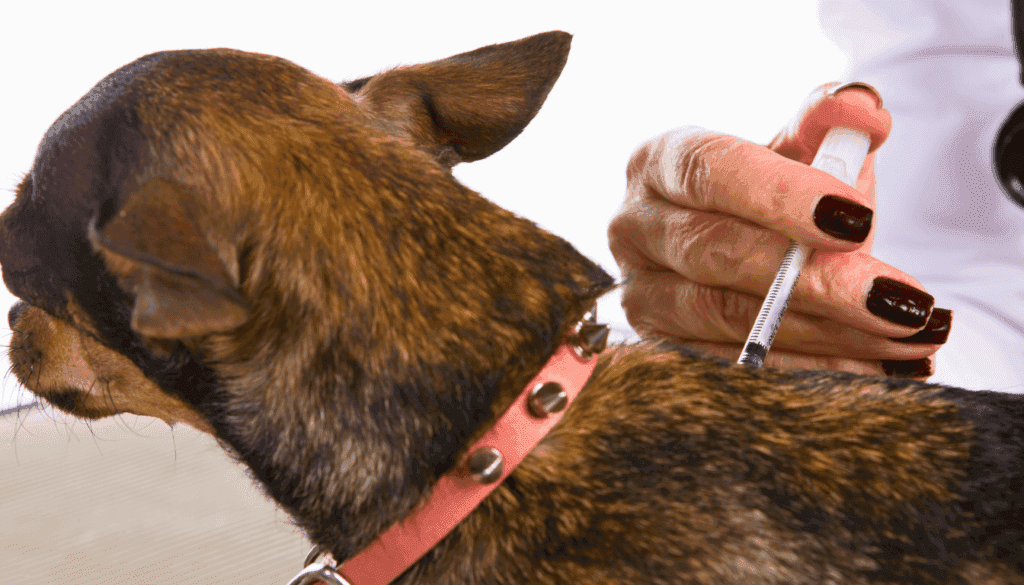
9. Is The Dog Up To Date On Vaccinations?
Checking a shelter dog’s vaccination status is crucial. Most shelters provide basic shots to their animals. These typically include rabies, distemper, and parvovirus vaccines.
Some shelters may offer additional vaccinations. These could cover diseases like bordetella or leptospirosis. It’s important to ask for a complete list of the dog’s vaccinations.
The shelter should provide documentation of all shots given. This paperwork helps new owners keep track of future vaccination needs. It also serves as proof of immunization for groomers or boarding facilities.
If the dog lacks certain vaccines, the shelter may require the adopter to get them. This ensures the animal’s health and protects other pets in the household.
It’s wise to factor these potential costs into the adoption decision.
Regular boosters are necessary to maintain immunity. The new owner should discuss a vaccination schedule with their veterinarian.
This helps keep the dog protected against common diseases throughout its life.
10. What Is The Dog’s Age?
Knowing a shelter dog’s age is important when adopting. Puppies need more time and training. Adult dogs may have established habits.
Senior dogs might have health issues.
Shelters often estimate a dog’s age if they don’t have records. They look at teeth, coat, and energy levels.
Puppies are usually under 1 year old. Adult dogs are 1-7 years old. Senior dogs are typically 7+ years old.
A dog’s age affects its needs. Puppies need lots of exercise and training. Adult dogs are often calmer and may know basic commands. Senior dogs might need special diets or medical care.
Age can impact a dog’s life expectancy. Smaller breeds tend to live longer than larger ones. This is worth considering when choosing a new pet.
The shelter staff can provide more details about a specific dog’s age and needs. They can help match you with a dog that fits your lifestyle and preferences.
11. What Is The Dog’s Breed Or Mix Of Breeds?
Knowing a dog’s breed or mix of breeds can provide valuable insights. Different breeds have distinct traits, energy levels, and care needs. Some shelters use DNA tests to determine breed makeup. Others rely on visual assessments by staff.
Pure-bred dogs may have predictable characteristics. Mixed-breed dogs can inherit traits from multiple breeds. This can make their temperament and needs less certain. It’s important to research the typical traits of identified breeds.
Some breeds are prone to specific health issues. Large breeds may be more likely to develop joint problems. Brachycephalic (flat-faced) breeds often have breathing difficulties.
Understanding these risks helps in planning for the dog’s care.
Breed information can also hint at a dog’s exercise requirements. Herding and sporting breeds usually need more activity. Toy breeds or some giant breeds may require less physical exertion. This knowledge aids in matching a dog to one’s lifestyle.
Certain breeds may face restrictions in some housing situations. It’s wise to check local regulations and rental agreements before adopting.
This prevents potential issues later on.
12. Was The Dog Tested For Behavioral Issues?
Shelters often conduct behavioral assessments on dogs before putting them up for adoption. These tests help identify any potential issues or quirks in a dog’s temperament. They look at things like how the dog reacts to strangers, other animals, and new situations.
The results can give adopters valuable insights into a dog’s personality and needs. For example, a test might show that a dog gets anxious around loud noises. This information allows future owners to prepare and provide proper care.
It’s important to ask about any behavioral testing that was done. The shelter staff can explain the results and what they mean. They may also share observations from the dog’s time at the shelter.
Keep in mind that shelter environments can be stressful for dogs. A dog’s behavior might change once it settles into a new home.
Still, behavioral assessments offer a helpful starting point for understanding a potential new pet.

13. What Kind Of Home Would Be Best For The Dog?
Different dogs thrive in different home environments. Some need lots of space to run and play, while others do well in smaller homes.
A dog’s size, energy level, and breed characteristics all factor into its ideal living situation.
Active, high-energy dogs often need a house with a fenced yard. This gives them room to exercise and burn off excess energy. Breeds like Border Collies and Labrador Retrievers fall into this category.
Smaller or more low-key dogs can adapt well to apartment living. Breeds such as Pugs, French Bulldogs, and Shih Tzus are good choices for smaller spaces. They need less exercise and are content with indoor play and short walks.
Some dogs require a quiet environment due to anxiety or sensitivity. These pups do best in calm households without young children or frequent visitors.
Senior dogs often appreciate a peaceful home as well.
Climate is another factor to consider. Thick-coated breeds like Huskies prefer cooler climates, while short-haired dogs do better in warmer areas.
The shelter can provide guidance on a dog’s ideal living conditions based on its specific needs and personality.
14. Does The Dog Need Any Special Training?
Many shelter dogs benefit from some training after adoption. Basic obedience commands like sit, stay, and come are helpful for all dogs. Some may need extra work on leash manners or socialization with people and other animals.
Dogs with behavioral issues might require more specialized training. This could include addressing fears, aggression, or separation anxiety.
The shelter staff can often provide insights into a dog’s specific training needs.
Older dogs may already know basic commands but could use a refresher. Puppies, on the other hand, typically need more extensive training in all areas. House training is another common need for dogs from shelters.
Some breeds have high energy levels or strong instincts that benefit from specific training. For example, herding dogs might need to learn not to chase cars or bicycles.
Working breeds often thrive with jobs or activities that engage their minds.
It’s important to ask the shelter about any known training needs. They can provide valuable information about the dog’s background and behavior.
This helps new owners prepare and set realistic expectations for their new pet.
15. Is The Dog House-trained?
House-training is an important factor to consider when adopting a shelter dog. Some dogs may already be fully trained, while others might need more work.
Shelter staff can often provide information about a dog’s house-training status. They observe the animals daily and keep records of their behaviors.
It’s important to note that even house-trained dogs may have accidents in a new environment. This is normal as they adjust to a different routine and living space.
For dogs that aren’t fully house-trained, adopters should be prepared to invest time in training. This process requires patience and consistency.
Age can play a role in house-training. Puppies typically need more time and effort to train compared to adult dogs.
Some shelter dogs may have lived outdoors previously. These dogs might need extra help learning indoor bathroom habits.
Adopters should ask about any specific house-training challenges the dog may have. This information can help prepare for a smoother transition home.

16. What Is The Dog’s Energy Level?
A dog’s energy level is a key factor to consider before adoption. Some dogs are high-energy and need lots of exercise and playtime. Others are more laid-back and prefer lounging around.
High-energy dogs may require long walks, runs, or frequent play sessions. These pups often do well with active owners who enjoy outdoor activities. Without enough exercise, they can become bored and destructive.
Low-energy dogs are better suited for less active lifestyles. They’re content with shorter walks and less intense play. These dogs make great companions for seniors or people with limited mobility.
Medium-energy dogs fall in between. They enjoy regular activity but don’t need constant stimulation. These pups adapt well to different lifestyles and energy levels.
It’s important to match a dog’s energy level with the adopter’s lifestyle. A mismatch can lead to frustration for both the dog and owner.
Shelters can provide insight into a dog’s typical energy level and exercise needs.
17. Does The Dog Have Any Favorite Toys?
Shelter staff often observe which toys dogs enjoy most. This information can help new owners understand their pet’s preferences. Some dogs may love squeaky toys, while others prefer balls or rope toys.
Knowing a dog’s favorite toys can make the transition to a new home smoother. It gives the animal something familiar and comforting.
New owners can provide similar toys to help the dog feel more at ease.
Playtime preferences can also indicate a dog’s personality and energy level. A dog that loves fetch might need more active play. One who prefers chew toys may be more laid-back.
Asking about favorite toys shows interest in the dog’s individual needs. It helps create a bond between the new owner and pet. This knowledge can guide future toy purchases and playtime activities.
Some shelters may not have this information for all dogs. In these cases, new owners can experiment with different toys to find what their new pet enjoys most.
18. What Is The Dog’s Diet?
A dog’s diet is a crucial aspect of its health and well-being. Shelter dogs may have different dietary needs based on their past experiences and current health status. It’s important to ask about the food the dog has been eating at the shelter.
Some shelters provide high-quality commercial dog food, while others may use donated food. Knowing the brand and type of food can help maintain consistency in the dog’s diet after adoption.
This information is especially useful for dogs with sensitive stomachs or food allergies.
It’s also worth inquiring about any dietary restrictions or special needs the dog may have.
Some dogs require prescription diets due to health conditions like kidney disease or diabetes. Others may need grain-free options or specific protein sources.
Asking about feeding schedules and portion sizes is equally important. This information helps establish a routine and ensures proper nutrition.
It’s also beneficial to know if the dog has any favorite treats or food motivators for training purposes.
19. Does The Dog Have Any Allergies?
Dogs can have allergies just like humans. Some shelter dogs may have known allergies to foods, environmental factors, or medications. It’s important to ask about any existing allergies before adopting.
Common dog allergies include beef, dairy, chicken, and wheat in food. Pollen, dust, and certain grasses can cause environmental allergies. Some dogs are also allergic to flea bites or specific medications.
Allergy symptoms in dogs often show up as skin issues or digestive problems. A dog may scratch excessively, have red skin, or experience frequent ear infections. Vomiting and diarrhea can indicate food allergies.
Knowing about allergies helps new owners provide proper care. They can avoid triggering foods or environments.
Some allergic dogs need special diets or medications to manage symptoms.
If the shelter doesn’t have allergy information, adopters should watch for signs after bringing the dog home. A veterinarian can help diagnose and treat allergies if they develop.

20. Has The Dog Been Socialized?
Socialization is crucial for a dog’s development and behavior. It involves exposing the animal to various people, animals, and environments. A well-socialized dog is typically more confident and adaptable.
Shelter staff can provide information about a dog’s socialization history. They may know if the dog has interacted with other animals or people. Some shelters have socialization programs to help dogs adjust.
It’s important to ask about the dog’s reactions to new situations. This can give insights into its comfort level with different stimuli.
A dog that hasn’t been well-socialized might show fear or anxiety in new environments.
Adopters should consider their lifestyle when choosing a dog. A poorly socialized dog may need extra patience and training. It might take time for the dog to adjust to a new home and family.
Some signs of good socialization include:
- Calm behavior around new people
- Comfort with different sounds and objects
- Positive interactions with other dogs
Asking about socialization helps ensure a good match between the dog and its new family. It allows adopters to prepare for any challenges that may arise.
Wrapping Up
Adopting a dog from a shelter is a big decision that requires careful thought. Asking the right questions helps ensure a good match between the dog and its new home.
It’s important to consider living space, lifestyle, and time available for care. Getting detailed information from the shelter staff can provide valuable insights into a dog’s background and needs.
Meeting the dog in person and going for a walk together can reveal a lot about its personality and behavior. While it’s easy to fall in love with a cute pup, it’s crucial to be objective and realistic about any potential challenges.
By taking the time to ask thorough questions and evaluate compatibility, adopters can find the perfect canine companion to join their family.