All products are independently selected by our editors. If you buy something via the links on our site, we may earn an affiliate commission at no extra cost to you. Learn More >
Ever caught your furry friend obsessively licking their paws? You’re not alone. While occasional paw licking is normal dog behavior, excessive licking can signal underlying issues.
As a pet owner, it’s crucial to understand why your dog might be paying extra attention to their paws.
In this post, I’ll break down the top 10 reasons for this behavior and offer practical solutions. Whether it’s a simple itch or something more serious, we’ll get to the bottom of your pup’s paw-licking habits.
1. Natural Grooming Behavior
Just like how we humans enjoy a good shower, dogs have their own grooming routines.
Licking their paws is often part of this natural behavior, but if they constantly lick, it may indicate an underlying issue. It’s their way of keeping clean and tidy.
Think of it as your dog’s version of washing their hands. After a walk in the park or a romp in the backyard, your furry friend might give their paws a quick once-over with their tongue.
This helps remove dirt, grass, or any other debris they’ve picked up during their adventures.
But here’s the thing: while some paw licking is normal, there’s a line between routine cleaning and excessive paw licking that needs to be addressed.
If your dog is spending more time licking their paws than playing fetch, it might be time to dig a little deeper.
Remember, moderation is key.
A few licks here and there? No problem.
But if your pup’s turning paw-licking into a full-time job, it could be a sign of something else going on.
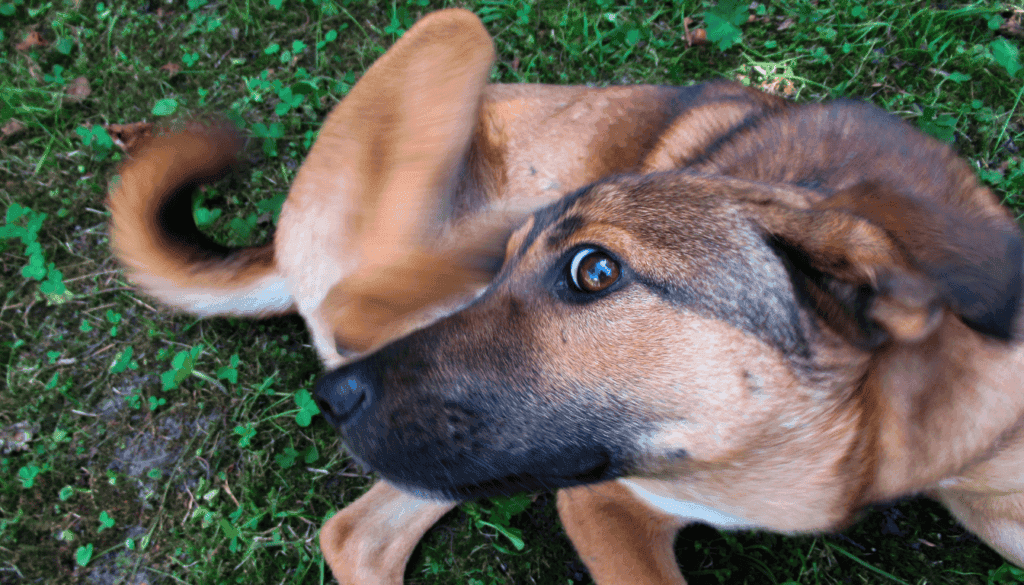
2. Allergies and Irritants
Just like humans, dogs can suffer from allergies, and boy, can they be a pain in the paw!
Allergies are one of the most common reasons why dogs lick their paws excessively.
Think of your dog’s paws as tiny mops, picking up all sorts of stuff from the environment – pollen, grass, dust, you name it.
If your pup’s allergic to any of these, their paws might start to itch like crazy. It’s as if they’ve stepped in an invisible patch of poison ivy!
But it’s not just about what’s outside. Your dog’s diet could be the culprit too. Some dogs are sensitive to certain ingredients in their food, leading to itchy skin and paws. Who knew dinner could cause such drama?
Sometimes, it’s not an ongoing allergy but a one-off reaction.
Maybe your curious canine stepped in something they shouldn’t have, or perhaps they got a bit too friendly with a plant that didn’t agree with them.
Whatever the cause, the result is the same – itchy paws.
And what do dogs do when something itches? They lick. And lick. And lick some more.
It’s like they’re trying to wash away the itch, but sadly, it doesn’t work that way.
If you notice your dog licking their paws more than usual, especially after walks or meals, allergies might be the culprit.
While we can’t ask our dogs, “What’s wrong?” we can keep an eye out for these signs.
3. Injuries or Pain
Dogs are tough cookies, but they’re not invincible. Sometimes, paw-licking is their way of saying, “Ouch!”
Cuts, scrapes, broken nails, or even joint pain can lead to excessive licking. It’s like your pup’s version of kissing a boo-boo or giving themselves a little massage.
If you notice your dog favoring a paw or limping, take a closer look.
They might be dealing with an injury that needs some TLC – or maybe even a trip to the vet.
4. Boredom or Anxiety
Believe it or not, sometimes the problem isn’t physical – it’s all in their head. Separation anxiety, stress, or plain old boredom can turn your dog into a paw-licking machine.
It’s their way of self-soothing, like how some of us might bite our nails when we’re nervous.
In some cases, it can even become a habit or compulsive behavior. If you suspect your dog’s licking is stress-related, try giving them more exercise, mental stimulation, or even some extra cuddles.
A tired, happy dog is less likely to engage in anxious behaviors.
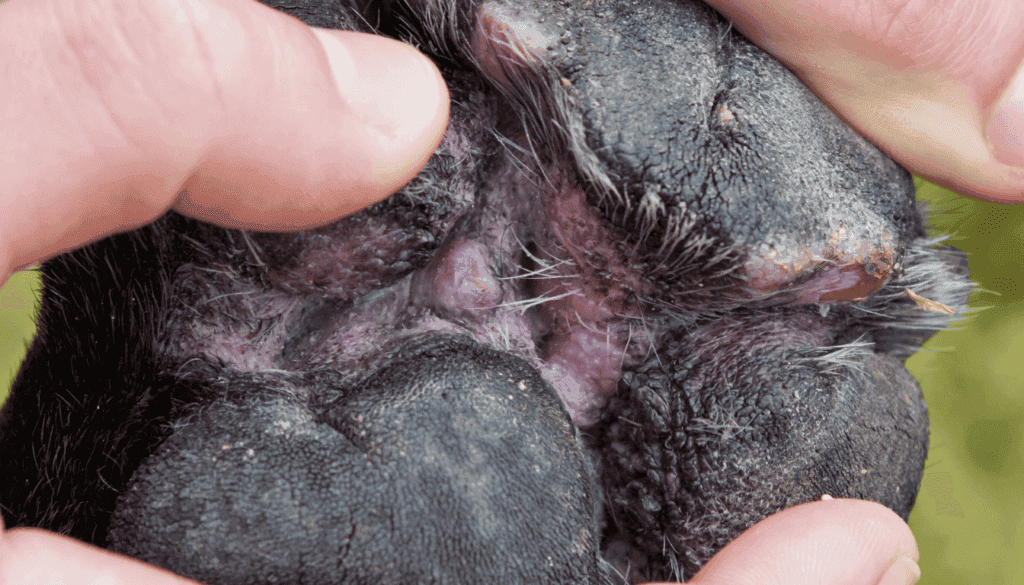
5. Bacterial or Yeast Infections
Sometimes, the culprit behind excessive paw-licking is too small to see with the naked eye.
Bacterial or yeast infections can make your dog’s paws itchy, red, swollen, or smelly (sometimes they even smell like Fritos).
These infections often develop when paws stay damp – from excessive licking, wet weather, or sweaty paw pads.
It’s like a microscopic swamp party on your dog’s feet! If you suspect an infection, it’s best to consult with your vet.
They can prescribe the right treatment to kick those unwanted guests to the curb.
6. Parasites
Tiny troublemakers like fleas, ticks, and mites can cause big problems for your pup’s paws.
These parasites bite, causing intense itching that can drive your dog to lick and chew their paws non-stop.
It’s like having a thousand mosquito bites – no wonder they can’t leave their paws alone! Regular parasite prevention is key to avoiding this uncomfortable situation.
If you suspect parasites, talk to your vet about the best treatment options.
7. Hormonal Imbalances
Sometimes, the problem goes deeper than skin-deep. Hormonal issues like thyroid problems or Cushing’s disease can lead to skin problems and excessive paw-licking.
It’s like your dog’s body thermostat is out of whack, affecting everything from their metabolism to their skin health.
These conditions can be tricky to diagnose, so if you suspect a hormonal imbalance, it’s important to work with your vet.
They can run tests and develop a treatment plan to get your pup’s hormones back in balance.
8. Environmental Irritants
The world can be a rough place for dog paws. De-icing salts in winter, lawn chemicals, and hot pavement in summer can all irritate your dog’s sensitive paw pads.
It’s like walking barefoot on a salty, chemical-laden beach – not comfortable at all!
Be mindful of where your dog walks, especially after lawn treatments or on scorching summer days.
Consider using booties for protection in harsh conditions, or at least give those paws a good rinse after walks.

9. Dry Skin
Just like humans, dogs can suffer from dry, flaky skin – and it can drive them crazy, causing them to constantly lick their paws. A good solution is to buy a paw balm for your dog’s paws – it works wonders!
Dry air, nutritional deficiencies, or overwashing can all lead to dry skin. It’s like your dog is wearing an itchy sweater they can’t take off.
When skin gets dry, it gets itchy, and dogs do what comes naturally – they lick. This can lead to a vicious cycle of licking, irritation, and more licking.
Addressing the underlying cause of dry skin, whether it’s environmental or dietary, can help break this cycle.
10. Habit or Comfort Behavior
Sometimes, paw-licking isn’t about physical discomfort at all – it’s just a thing they do.
If your dog has been licking their paws for a while, it might have become a habit, like nail-biting in humans.
Some dogs also lick their paws as a self-soothing behavior – it’s their version of curling up with a warm blanket and a cup of tea.
While not necessarily harmful, excessive licking can lead to irritation over time.
If it’s become a habit, you might need to work on redirecting this behavior to more positive activities.
How to Address Paw Licking in Dogs
Now that we’ve explored the various reasons why dogs lick their paws, let’s talk about what you can do to help your furry friend.
Addressing paw licking isn’t always straightforward, but with a bit of detective work and some patience, you can often find a solution.
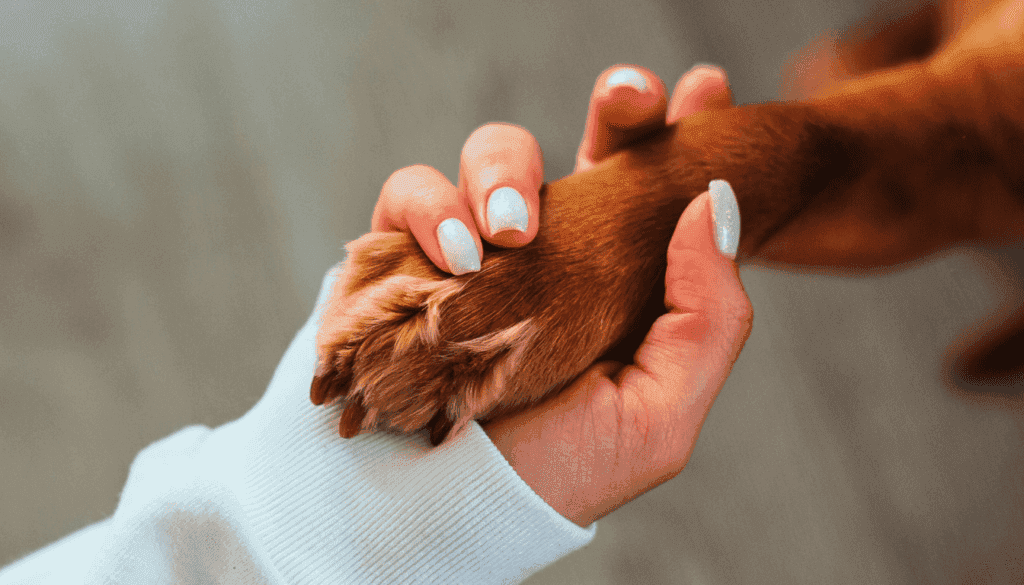
First things first, you need to play Sherlock Holmes and identify the root cause.
Start by examining your dog’s paws closely. Look for any signs of injury, redness, swelling, or anything stuck between their toes.
Pay attention to when the licking occurs – is it after walks, during allergy season, or when you’re about to leave the house? These clues can help you narrow down the cause.
Once you have an idea of what might be causing the problem, you can try some home remedies.
If allergies are the culprit, wiping your dog’s paws with a damp cloth after walks can help remove allergens.
For dry skin, adding a fish oil supplement to their diet might do the trick, or even a paw palm can work wonders.
And if boredom is the issue, increasing exercise and providing puzzle toys can keep those paws out of their mouth.
Prevention is always better than cure. Regular grooming, keeping your dog’s nails trimmed, and checking their paws after walks can go a long way in preventing issues.
If you live in an area with harsh winters, consider using dog booties to protect against de-icing salts.
In the summer, avoid walking on hot pavement that could burn their paw pads.
However, sometimes professional help is needed. If the licking persists despite your best efforts, or if you notice signs of infection or injury, it’s time to consult your veterinarian.
They can perform a thorough examination and may recommend tests to rule out underlying health issues.
Remember, there’s no shame in seeking expert help – your vet is there to partner with you in keeping your dog healthy and happy.
Wrapping Up
Paw licking is a complex behavior, but now you’re armed with the knowledge to tackle it head-on.
Remember, some licking is normal, but excessive licking often signals an underlying issue.
From allergies to anxiety, injuries to infections, the causes are diverse. The key is to stay observant and act when you notice unusual behavior.
Don’t hesitate to try home remedies or preventive measures, but know when it’s time to call in the professionals.
Your vet is your best ally in solving persistent paw problems.
Ultimately, your dog’s paw health is a crucial part of their overall well-being. By understanding the reasons behind paw licking and taking proactive steps, you’re setting your furry friend up for a happier, healthier life.
After all, healthy paws mean more wagging tails and joyful walks!