All products are independently selected by our editors. If you buy something via the links on our site, we may earn an affiliate commission at no extra cost to you. Learn More >
“Why do dogs scratch the floor?” If you’re a dog owner, you’ve probably seen your furry friend scratching at the floor, whether it’s the carpet, hardwood, or even their bed.
This common behavior can leave you scratching your head, wondering what’s behind it. From instinctual habits to marking territory, there are many reasons why dogs exhibit this behavior.
In this post, we’ll explore the reasons behind this behavior and offer some tips to stop it.
Whether it’s instinct, boredom, or something else, knowing the cause can make all the difference.
6 Common Reasons Dogs Scratch The Floor
Dogs scratch the floor for a variety of reasons, and understanding these can help you address the behavior more effectively.
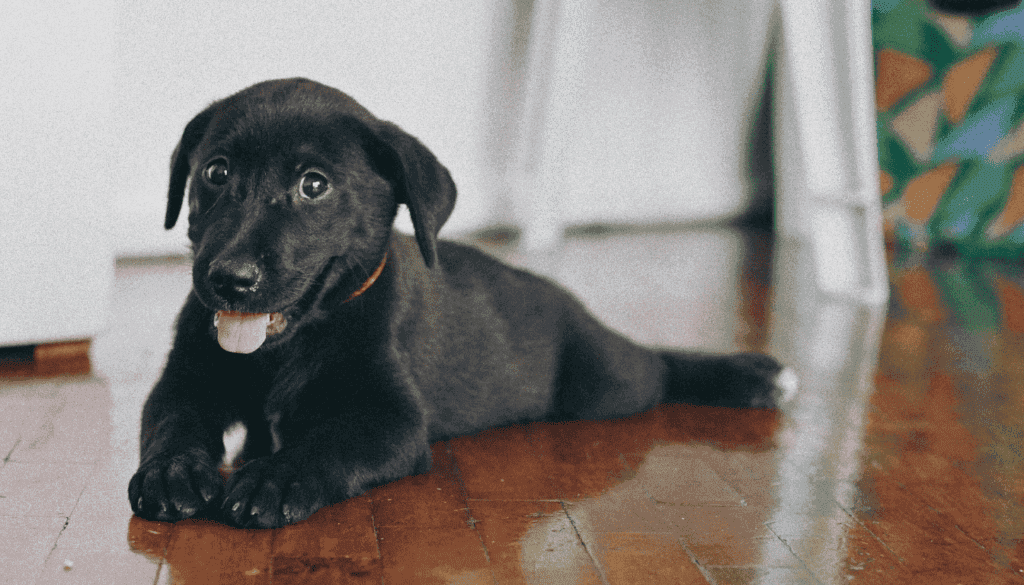
Let’s take a closer look at some of the most common reasons why dogs keep scratching the floor.
1. Instinctual Behavior
Dogs have a lot in common with their wild ancestors. One of the reasons why dogs scratch and dig at the floor is instinctual behavior.
Wild dogs would dig to create a comfortable sleeping area or to hide food. This digging is a natural behavior that has been passed down through generations.
Even though your pup has a cozy bed, the urge to scratch and dig can still be strong.
2. Marking Territory
Another reason dogs scratch the floor is to mark their territory. Dogs have scent glands in their paws, and scratching helps them leave their scent behind.
This behavior is especially common in multi-dog households or areas where other animals frequent.
By scratching the floor, your dog may be telling other pets, “This is my space!”
3. Seeking Comfort
Sometimes, dogs scratch the floor to create a cozy spot to lay down. They might be trying to fluff up a blanket or bed, or they might be attempting to cool down a spot on a hot day.
Just like we adjust our pillows before sleeping, dogs will scratch to make their sleeping area just right.
4. Anxiety or Boredom
If your dog is stressed or bored, they might scratch the floor to release tension and excess energy. Signs that your dog is anxious or bored include pacing, whining, or destructive behavior.
Scratching helps them cope with these feelings. Providing mental and physical stimulation can help reduce this behavior.
5. Attention-Seeking
Dogs are smart and quickly learn what behaviors get a reaction from their owners. If your dog exhibits scratching or digging and you respond, they might repeat the behavior to get your attention.
Understanding this learned behavior can help you address it more effectively. Positive reinforcement for good behavior is key.
6. Nesting Behavior
Pregnant dogs or those experiencing a false pregnancy may scratch the floor as part of nesting behavior. This is their way of preparing a safe and comfortable spot for their puppies.
If your dog is scratching at the floor and showing other nesting behaviors, it might be time to consult your vet.
Understanding these common reasons behind your dog’s scratching behavior can help you address their needs and keep your home scratch-free.

Ok, But Why Does My Dog Also Scratch The Carpet?
If you’ve noticed your dog scratching the carpet more than other surfaces, you’re not alone.
Carpet scratching is a common behavior in canines, and there are a few reasons why dogs might prefer this surface.
Let’s take a closer look.
Specifics of Scratching on Carpeted Surfaces
Carpets offer a unique texture that can be more satisfying for dogs to scratch.
The fibers provide resistance and a bit of a challenge, which can be more engaging than scratching hardwood floors or tiles.
Think of it like scratching an itch—sometimes, the texture of the carpet just feels better to them.
Additionally, carpets can retain scents more effectively than other surfaces. When dogs scratch the carpet, they’re not only leaving their scent behind but also picking up on existing odors.
This can make the carpet a more appealing target for marking territory.
Differences Between Scratching Carpet and Other Surfaces
Scratching behaviors can vary depending on the surface. For example, when dogs scratch hardwood floors, it might be more about the noise and the immediate feedback they get.
On the other hand, scratching the carpet can be more about the tactile sensation and the ability to dig in a bit more.
One relatable example is how we might prefer certain types of fabric for comfort. Just like we might favor a cozy blanket over a stiff sheet, dogs might find the texture of the carpet more comforting and satisfying to scratch.
Understanding these nuances can help you better address your dog’s behavior. If your dog scratches the carpet, consider providing alternative scratching surfaces like a designated scratching mat or a more engaging toy.
This can help redirect their behavior and keep your carpet in better shape.
By recognizing why your dog prefers to scratch the carpet, you can take steps to manage and redirect this behavior more effectively.
Tips To Stop Your Dog From Scratching The Floor
If your dog is scratching the floor, there are a few strategies you can use to address the behavior.

Here are some practical tips to help you stop your dog from scratching the floor and keep your home in good shape.
Provide Comfortable Bedding
First and foremost, ensure your dog has a cozy and comfortable place to sleep. A good bed can make a world of difference.
- Importance of a Cozy Sleeping Area: Dogs scratch to make their sleeping area more comfortable. Providing a soft, supportive bed can reduce the need for them to scratch the floor.
- Types of Bedding to Consider: Look for a bed that suits your dog’s size and sleeping habits. Orthopedic beds are great for older dogs, while a plush, cushioned bed might be perfect for a younger pup. The goal is to keep your dog comfortable and happy.


Increase Mental and Physical Stimulation
A bored dog is more likely to scratch out of frustration or excess energy.
Keeping your dog mentally and physically stimulated can significantly reduce this behavior.
- Activities to Keep Your Dog Engaged: Interactive toys, puzzle feeders, and regular playtime can keep your dog occupied. Think of it as giving your dog a job to do.
- Toys and Exercises to Reduce Boredom: Regular walks, fetch, and agility exercises are excellent ways to burn off excess energy. A tired dog is a happy dog, and they’re less likely to scratch out of boredom.
Address Anxiety
If your dog is scratching due to anxiety, it’s essential to identify and address the triggers.
- Identifying Anxiety Triggers in Your Dog: Common triggers include loud noises, changes in routine, or separation anxiety. Pay attention to what seems to set off your dog’s scratching.
- Techniques to Calm an Anxious Dog: Calming techniques like gentle petting, soothing music, or anxiety wraps can help stop dogs from scratching excessively. In some cases, consulting with a veterinarian about anxiety-reducing supplements or medications might be necessary.
Positive Reinforcement
Rewarding good behavior and avoiding negative reactions can go a long way in modifying your dog’s scratching habits.
- Rewarding Good Behavior in Dogs: When your dog stops scratching the floor and behaves well, offer treats, praise, or extra playtime. Positive reinforcement helps them understand what behaviors are desirable.
- Avoiding Negative Reactions to Scratching: Yelling or punishing your dog can increase anxiety and make the problem worse. Instead, calmly redirect their behavior and reward them when they comply.
By implementing these tips, you can help your dog feel more comfortable and reduce unwanted scratching behavior.
Remember, understanding the reasons behind your dog’s actions is the first step in addressing them effectively.
When To Seek Professional Help If They’re Scratching Too Much
Sometimes, despite your best efforts, your dog’s scratching behavior might persist or even worsen.
In such cases, it’s crucial to know when to seek professional help.

Here are some signs that indicate a deeper issue and how consulting with a veterinarian or a professional dog behaviorist can make a difference.
Signs That Indicate a Deeper Issue
If your dog suddenly starts scratching the floor more than usual, it could be a sign of an underlying problem.
Pay attention to these signs:
- Excessive Scratching: If your dog is scratching the floor constantly, it might be more than just a habit. This could indicate anxiety, skin issues, or other health problems.
- Damage to Your Home: Significant damage to your floors or carpets is a red flag. If your dog’s scratching is causing noticeable harm, it’s time to consult a professional.
- Behavior Changes: Sudden changes in your dog’s behavior, like increased aggression, lethargy, or unusual eating habits, can be linked to their scratching. These changes might suggest a deeper issue that needs addressing.
- Physical Symptoms: Look for signs like redness, swelling, or sores on your dog’s paws. These symptoms can indicate allergies or infections that need medical attention.
Consulting a Veterinarian or Professional Dog Behaviorist
When you notice these signs, it’s essential to consult with a veterinarian or a professional dog behaviorist.
They can help diagnose the root cause of the scratching and recommend appropriate treatments or interventions.
- Veterinarian Consultation: A vet can rule out medical issues like allergies, infections, or other health problems. They might suggest treatments or medications to alleviate your dog’s discomfort.
- Professional Dog Behaviorist: If the scratching is behavior-related, a dog behaviorist can provide valuable insights and strategies. They can help identify triggers and develop a customized plan to address the behavior. Think of them as a doggy therapist, helping your pup navigate their emotions and actions.
For example, I once had a client whose dog wouldn’t stop scratching the floor, no matter what they tried. After consulting a behaviorist, they discovered the dog was experiencing severe anxiety due to a recent move.
With the right guidance and techniques, they were able to help their dog feel more secure and reduce the scratching.
Sometimes, a little expert advice is all it takes to get things back on track.
Wrapping Up
Understanding why your dog scratches the floor can make a big difference in addressing the behavior and getting your dog the help they need.
From instinctual habits to marking territory, seeking comfort, or dealing with anxiety, there are various reasons behind this common dog behavior.
As a dog owner, observing and understanding these actions can help you provide better care and create a happier environment for your pup.
Remember, providing comfortable bedding, increasing mental and physical stimulation, addressing anxiety, and using positive reinforcement are effective ways to keep your dog from scratching.
If the behavior persists, don’t hesitate to consult a veterinarian or a professional dog behaviorist.
By paying attention to your dog’s needs, you can stop unwanted scratching and ensure your furry friend stays happy and healthy.