All products are independently selected by our editors. If you buy something via the links on our site, we may earn an affiliate commission at no extra cost to you. Learn More >
Shedding is a natural part of a dog’s life, but sometimes it can feel like there’s fur everywhere, especially if your pet’s shedding has increased lately!
Understanding why your dog sheds so much can help you manage the mess and keep your dog healthy.
In this post, we’ll explore the common causes of excessive shedding and share tips on how to reduce it. Whether you’re a new dog owner or just curious, you’ll find helpful insights to tackle your dog’s shedding issues.
So, if your dog’s hair is driving you crazy, stick around.
We might just have the solutions you’re looking for to help manage your pet’s shedding effectively.
Common Causes of Excessive Shedding in Dogs
Sometimes, figuring out why your dog is shedding so much can feel like solving a puzzle.
Let’s look at some common causes, from health issues to environmental factors, to help you understand what’s going on with your furry friend.

Health Issues
Health problems can often be the root cause of excessive shedding in dogs.
If your dog is shedding more than usual, it might be time to consider some of these health-related issues:
- Allergies: Just like humans, dogs can have allergies too. Allergens like pollen, dust, or certain foods can cause your dog to itch and scratch, leading to hair loss and excessive shedding. If your dog can’t stop scratching, allergies might be to blame.
- Skin Infections: Bacterial or fungal infections can cause your dog’s skin to become irritated, leading to hair loss and potentially increased shedding. If you notice red, inflamed patches on your dog’s skin, it’s time for a vet visit.
- Parasites (Fleas, Ticks): Fleas and ticks are not just annoying; they can cause your dog to shed excessively. These parasites irritate the skin, causing your dog to scratch and lose hair.
- Hormonal Imbalances: Conditions like hypothyroidism or Cushing’s disease can affect your dog’s hair follicles, leading to excessive shedding. If your dog seems to be shedding more than usual and shows other symptoms like weight gain or lethargy, consult your vet.
- Poor Nutrition: A poor diet can lead to unhealthy skin and coat, causing your dog to shed more. Ensuring your dog gets a balanced diet rich in essential nutrients can help maintain a healthy coat.
Environmental Factors
Apart from health issues, environmental factors can also play a significant role in your dog’s shedding habits, especially during the summer months.
Here are a few to consider:
- Stress and Anxiety: Dogs can feel stress just like we do. Changes in their environment, like moving to a new home or the arrival of a new pet, can cause stress and lead to extra shedding. If your dog seems anxious, try to create a calming environment.
- Seasonal Changes: As mentioned earlier, dogs naturally shed more during certain seasons. However, if the seasonal shedding seems excessive, it might be worth looking into other underlying causes.
- Indoor vs. Outdoor Living Conditions: Dogs that spend a lot of time indoors may shed differently than those who are mostly outside. Indoor dogs are exposed to artificial lighting and controlled temperatures, which can affect their shedding patterns.
Understanding these common causes can help you pinpoint why your dog is shedding so much. If you notice any signs of health issues or environmental stressors, it’s always a good idea to consult your vet.
They can help you get to the bottom of the problem and find the best solution for your dog’s shedding woes.

How to Manage and Reduce Excessive Shedding
If your dog is shedding like crazy, don’t worry—there are plenty of ways to manage and reduce the fur flying around your home.
Let’s explore some effective strategies to keep your dog’s shedding under control.
Regular Grooming
Grooming your dog regularly is one of the best ways to manage shedding. Not only does it help remove loose hair, but it also keeps your dog’s coat healthy and clean.
Regular grooming helps to remove old or damaged hair and can prevent your dog from shedding excessively.
It also allows you to check for any skin issues, like parasites or infections, that might be causing your dog’s hair loss.
The frequency of grooming depends on your dog’s breed and coat type, as some breeds may shed more than others.
For example, dogs with long hair might need daily brushing, while short-haired breeds can get by with weekly grooming.
Invest in good shedding tools like a slicker brush or a de-shedding tool.
These tools can help remove loose hair more efficiently than a regular brush, making it easier to manage your dog’s normal shedding. Make sure to brush your dog gently to avoid irritating their skin.
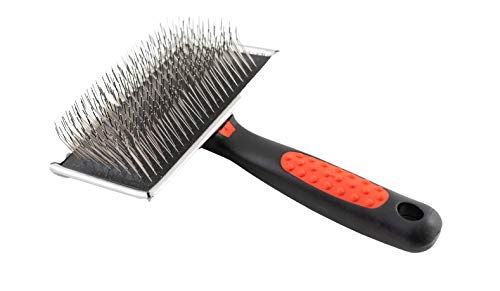

Regular grooming sessions can turn into a bonding experience for you and your dog. Plus, it keeps your home a little less hairy!
Bathing your dog
Bathing your dog is another essential step in managing shedding. However, it’s important to do it right to avoid drying out your dog’s skin.
Over-bathing can strip your dog’s coat of natural oils, leading to dry skin and more shedding.
Generally, bathing your dog once a month is sufficient, but this can vary depending on their activity level and coat type.
Use a gentle, dog-specific shampoo that won’t irritate your dog’s skin, especially during the summer when skin sensitivities may increase.
Some shampoos are specially formulated to reduce shedding and promote a healthy coat.

Make sure to rinse your dog thoroughly to remove all shampoo residue, as leftover soap can cause itching and hair loss.
After bathing, dry your dog completely to prevent any skin issues.
Bathing your dog not only helps manage shedding but also keeps them smelling fresh and clean
Diet and Nutrition
A balanced diet is crucial for your dog’s overall health, including their skin and coat. Poor nutrition can lead to excessive shedding, so it’s important to feed your dog high-quality food.
A diet rich in essential nutrients like omega-3 fatty acids, vitamins, and minerals can promote healthy skin and coat, reducing shedding.
Look for dog food that includes ingredients like fish oil, flaxseed, and biotin. These nutrients can help reduce shedding and improve your dog’s coat. If your dog’s diet lacks certain nutrients, consider adding supplements like fish oil capsules or skin and coat chews.

Always consult your vet before introducing new supplements.
Feeding your dog a nutritious diet can make a significant difference in their shedding patterns and overall health.
Veterinary Care
Sometimes, despite your best efforts, your dog might still shed excessively. In such cases, it’s essential to consult a vet to rule out any underlying health issues.
If you notice signs like excessive hair loss, bald patches, or changes in your dog’s shedding pattern, it’s time to take your dog to the vet.
Your vet might recommend tests to check for allergies, hormonal imbalances, or skin infections that could be causing your dog’s shedding.
Depending on the diagnosis, your vet might suggest treatments like medicated shampoos, allergy medications, or dietary changes to address the root cause of the shedding.
Consulting a vet ensures that any underlying health issues are identified and treated promptly, helping to manage your dog’s shedding effectively.
By following these tips, you can help keep your dog’s shedding under control and ensure they have a healthy, shiny coat.
Remember, a little effort goes a long way in keeping your furry friend looking and feeling their best.

Preventing Excessive Shedding
Preventing your dog from shedding excessively can save you a lot of time and effort. Plus, it keeps your furry friend healthy and happy.
Let’s look at some proactive steps you can take to keep shedding under control.
Regular Check-ups
Routine veterinary visits are essential for catching potential health issues before they become serious problems. Regular check-ups help ensure that your dog is in good health.
A vet can spot early signs of conditions that might cause your dog to shed excessively, like allergies or hormonal imbalances.
Think of it as a wellness check for your dog’s coat and overall health.
During these visits, your vet can recommend preventative measures like flea and tick treatments, dietary adjustments, or supplements to keep your dog’s coat in top shape.
For example, if your dog’s shedding is due to poor nutrition, your vet might suggest a high-quality food rich in omega-3 fatty acids.
Taking your dog to the vet regularly can nip potential issues in the bud and keep your dog’s shedding under control.
Stress Management
Stress and anxiety can cause your dog to shed more than usual. Just like us, dogs need a calm and comfortable environment to thrive.
There are a few ways to help your dog manage stress. Regular exercise, mental stimulation through toys and games, and a consistent routine can all make a big difference.
If your dog is particularly anxious, calming aids like pheromone diffusers or anxiety wraps can help.
Make sure your dog has a quiet, comfortable space to relax. A cozy bed, plenty of water, and a consistent feeding schedule can all contribute to a stress-free environment.
If you’ve recently moved or introduced a new pet, give your dog time to adjust. For example, I once had a client whose dog started shedding excessively after they brought home a new kitten.
By creating separate spaces for each pet and gradually introducing them, the dog’s shedding returned to normal levels.
Wrapping Up
Shedding is a natural part of a dog’s life, but understanding the difference between normal and excessive shedding can make a world of difference.
We’ve explored the common causes of shedding in your dog, from health issues like allergies and poor nutrition to environmental factors like stress and seasonal changes.
Regular grooming, proper bathing, a balanced diet, and routine vet visits are all crucial steps in managing your dog’s shedding.
By staying proactive and attentive to your dog’s needs, you can keep their coat healthy and your home a little less furry.
Remember, a happy, healthy dog is less likely to shed excessively.
Keep an eye on your dog’s shedding patterns, and don’t hesitate to consult your vet if something seems off. Your dog will thank you for it!